

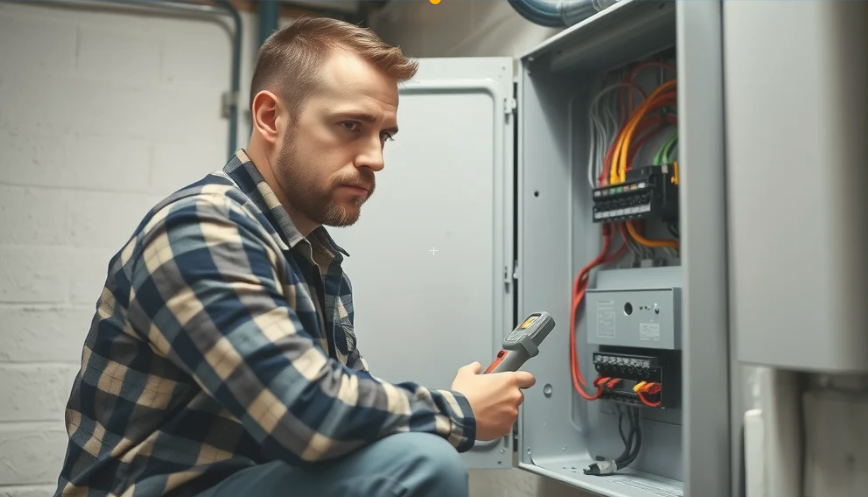
Electrical Installation In Burlington: What You Need To Know
Nearly a third of home fires trace back to faulty wiring, yet many Burlington property owners still don't know what Ontario law actually requires before hiring an electrician. Before you sign any quote, here's what could void your insurance or stall a sale.
Key Takeaways
-
Hiring a licensed and experienced electrician for electrical work in Burlington protects safety, keeps a project code-compliant, and saves money over the long run
-
Electrical failures and installation errors account for a meaningful share of home fires in Canada, which is why only a Licensed Electrical Contractor with a 7-digit ECRA/ESA number may legally perform electrical work in Ontario
-
Most major electrical projects in Burlington need a permit, and skipping one can complicate insurance claims and future home sales
-
Warning signs like flickering lights, tripping breakers, and an outdated fuse panel often signal a wiring problem worth inspecting before it worsens
-
Crown Electric Ltd has served Burlington and surrounding communities since 1991, backing its residential, commercial, and industrial work with a 100% satisfaction guarantee
Electrical projects rarely feel urgent until something goes wrong, and by then the cost of a shortcut is usually much higher than the cost of doing it right the first time. Burlington homeowners and business owners planning a rewire, panel upgrade, or new lighting layout need to know what Ontario law actually requires before hiring anyone, because the rules around electrical work are stricter than most people expect. The guidance below breaks down what to look for, what to avoid, and what a proper electrical installation in Burlington, Ontario should include from start to finish.
Why 30% of Home Fires Trace to Wiring
Electrical failures and installation errors account for a significant share of residential fires in Canada, a figure that puts electrical work in a different category than most home improvement projects. A loose connection behind a wall, a wire sized wrong for its load, or a DIY splice that looked fine at the time can sit quietly for months before it fails. That failure rarely announces itself with a warning; it shows up as a scorched outlet, a tripped breaker that won't reset, or worse.
This share of home fires matters most when weighing the price of a licensed electrician against the price of a shortcut. Faulty wiring does not just risk property damage; it threatens the safety of everyone inside a home or business, which is why Ontario built a licensing system designed to catch problems before they become dangerous.
Ontario Law: Only Licensed Electricians Qualify
Ontario law is unambiguous on this point: only a Licensed Electrical Contractor, or LEC, is legally permitted to perform electrical work in homes and businesses across the province. This legal requirement is enforced to protect the public, built around the understanding that faulty wiring is a leading cause of house fires and that competence has to be proven, not assumed.
Skipping this requirement to save a bit of money can backfire in costly ways. Insurance companies can deny claims when unlicensed work caused or contributed to a fire or electrical fault, and municipalities can refuse to sign off on renovations that involved unpermitted electrical changes. Anyone planning a panel upgrade, a new circuit, or an EV charger installation should confirm licensing status before signing anything.
What the 7-Digit ECRA/ESA Number Confirms
Every Licensed Electrical Contractor carries a 7-digit ECRA/ESA number, and that number is required to appear on business cards, service vehicles, and written estimates. This number confirms the company has met the Electrical Safety Authority's requirements and is authorized to pull the permits electrical projects need. Only an LEC can pull an ESA permit, and permitted work gets inspected, which means a dangerous fault is far less likely to end up hidden behind drywall.
Checking for this number takes only a moment, and a reputable contractor will provide it without hesitation. Property owners comparing quotes should treat this step as non-negotiable rather than optional, since a missing or unverifiable number is a clear red flag before any work begins.
Inside the Master Electrician Exam
Behind every LEC number sits at least one Master Electrician, and reaching that designation in Ontario takes real time and testing. A candidate must be at least 18 years old, hold a minimum of three years of experience as a journeyperson electrician, and pass the Master Electrician examination within the previous 12 months. The exam itself is offered only through the Electrical Safety Authority, is open book, and covers 80 multiple-choice questions split evenly across three sections: the Ontario Electrical Safety Code, Worker Safety, and Business Administration.
Passing requires at least 70% overall, with a minimum of 60% in each individual section. That structure confirms a Master Electrician understands the code, knows how to keep a job site safe, and can run a compliant business, which is exactly the kind of oversight a homeowner wants standing behind any electrical project.
Permits and Code Compliance in Burlington
Most electrical projects in Burlington, particularly major upgrades, custom builds, or commercial installations, require a permit issued through the Electrical Safety Authority. This step exists to make sure new wiring, panels, and circuits get inspected against the Ontario Electrical Safety Code before they're buried behind walls or ceilings. The 2024 Ontario Electrical Safety Code (29th Edition) became legally effective on May 1, 2025, and incorporates the 26th Edition of the Canadian Electrical Code, Part I, along with Ontario-specific amendments.
Only licensed electrical contractors are authorized to pull these permits, though homeowners can technically apply for a permit covering work inside their own residence. That option is generally discouraged given how complex and hazardous unsupervised electrical work can become, especially once a project involves the main panel or new circuits.
When a Permit Is Required
Larger jobs almost always need a permit, and skipping this step can create real headaches down the line. Common examples include:
-
Full or partial home rewiring
-
Electrical panel upgrades or service size increases
-
New circuits for major appliances, hot tubs, or EV chargers
-
Custom home builds and additions
-
Commercial or industrial electrical installations
Work completed without a permit can complicate a home sale, void insurance coverage, and leave a property owner with no proof the wiring was ever inspected. Confirming permit status upfront, before work starts, avoids this problem entirely.
GFCI and AFCI Protection Rules
Ground fault circuit interrupters, known as GFCI outlets, are required by the Canadian Electrical Code in areas near water or the earth, including kitchens, bathrooms, and outdoor spaces. These outlets shut power off almost instantly if they detect a ground fault, which is a meaningful layer of shock protection in rooms where water and electricity regularly share the same space.
Arc fault circuit interrupter protection, or AFCI, follows a similar safety logic but targets a different risk. AFCI protection is required for 125Vac, 15A and 20A circuits supplying receptacles throughout most of the home, with some exceptions, including bedrooms, living rooms, kitchenettes or dining areas, hallways, laundry rooms, unfinished basements, and attached garages and carports. This protection detects the kind of electrical arcing that can start a fire inside a wall long before smoke becomes visible. A licensed electrician builds both protections into a project automatically, since skipping either one is a common way older homes fall out of code compliance.
Mistakes That Cost Homeowners Later
Certain mistakes show up again and again in electrical projects gone wrong, and most of them trace back to trying to save time or money upfront. Recognizing these patterns before starting a project is the easiest way to avoid an expensive repair bill later.
Unlicensed Contractors and DIY Risks
Hiring an unlicensed contractor is one of the most common and most costly mistakes a property owner can make. Beyond the legal risk, unlicensed work often skips proper grounding and bonding, overloads circuits that weren't designed for the added load, or leaves faulty wire connections that only surface once a problem has already started. DIY electrical work carries similar risks, often amplified by inexperience with running wires around existing utilities or correctly sizing a new circuit.
These mistakes rarely show up immediately. A poorly grounded outlet or an overloaded circuit can function normally for months before it finally trips, sparks, or fails outright, at which point the repair costs far more than a proper installation would have in the first place.
Skipped Panel Upgrades and Inspections
An outdated panel is another mistake that tends to compound over time. Homes still running on older fuse boxes rather than modern circuit breaker panels are generally due for an upgrade, particularly if the home predates GFCI outlets becoming standard near water sources. Adding new appliances, a hot tub, or an EV charger to an already-strained panel is one of the most common causes of nuisance tripping and, in worse cases, electrical fires.
Flickering lights, breakers that trip repeatedly, or a faint burning smell near an outlet are all signals the system underneath is overloaded or failing. Skipping a scheduled inspection to avoid the appointment often means living with these warning signs until the underlying fault gets significantly worse.
What Drives Electrical Installation Costs
Electrical installation costs in Burlington vary based on project type, size, accessibility, materials, and overall scope, which makes a single flat price impossible to quote without a proper assessment. Comparing quotes across a few licensed contractors is the most reliable way to gauge fair pricing for a specific project, since accessibility and material choices can shift a quote significantly even for similar-sounding jobs.
Hourly rates for electricians in Canada typically range from $80 to $150 for most residential work, with the first hour of a service call typically running $100 to $200 to cover travel and diagnosis. Getting a written estimate before work begins removes most of the guesswork around final cost.
Panels, Wiring and EV Chargers Explained
Panels, wiring, and EV charger installations sit at the centre of most electrical projects Burlington property owners take on, and each carries its own set of technical requirements worth understanding before hiring anyone.
Signs Your Panel Needs Upgrading
A panel that can't keep up with a home's demands tends to send warning signs long before it fails completely. Watch for:
-
Breakers that trip frequently, especially when running multiple appliances
-
Lights that flicker or dim without an obvious cause
-
A panel still using fuses instead of modern circuit breakers
-
Warm or discoloured outlet covers
-
Plans to add high-demand appliances like a hot tub or EV charger
Any of these signs is worth a proper inspection rather than a guess, since a panel upgrade done proactively is almost always cheaper than one done as an emergency repair.
What Level 2 EV Charger Installs Require
Level 2 EV chargers require a 240V outlet and a dedicated breaker in the electrical panel, and installation must be handled by a licensed electrician. A proper install involves more than running a new outlet to the garage; it requires a panel assessment to confirm there's enough capacity, permit submission, ESA approval, wiring sized correctly for the charger's amperage, and final safety testing before the unit goes live. Skipping any of these steps risks tripping breakers repeatedly or creating a hidden fire hazard behind the wall.
The owner, contractor, or electrician handling the job is responsible for securing all applicable permits, which reinforces why this project is not suited to a weekend attempt. Confirming these details upfront with a licensed contractor keeps a Level 2 install both compliant and safe from day one.
Licensed Work Protects Safety and Value
Professional electrical installation keeps a property compliant with Burlington's regulations, improves energy efficiency, supports long-term cost savings by avoiding repeat repairs, and adds to a property's overall value. Buyers and inspectors alike view code-compliant wiring as a sign the rest of the property has likely been maintained with the same care, which matters when it's time to sell or refinance.
Crown Electric Ltd has served Burlington and the surrounding communities since 1991, backing its residential, commercial, and industrial electrical work with a 100% satisfaction guarantee. Choosing licensed electrical services that meet Ontario's code from day one is the surest way to protect a property's safety and its long-term value, whatever the size of the project ahead.