

Electrician in Sunnylea
That flickering light in your Sunnylea home could be a warning sign, not a nuisance. Learn why unlicensed electrical work can void your insurance entirely and what questions to ask before hiring anyone.
Key Takeaways
- Improper wiring is one of the leading causes of home fires in Ontario, which makes licensing status one of the first things to check before hiring anyone.
- Ontario electricians complete years of apprenticeship training that combines extensive on-the-job work experience with in-class instruction before qualifying for certification.
- Skipping a licensed contractor can void home insurance and leave a property owner covering the full cost of fire damage or electrical failure.
- Panel upgrades, pot light installs, and smart home additions each carry different price ranges worth knowing before requesting quotes.
- Crown Electric Ltd notes that clear, itemized pricing and written warranties are two signs a Sunnylea electrician is worth trusting.
A flickering light or a breaker that trips too often might seem like a minor annoyance, but it can be a warning sign of something much more serious hiding behind the walls. For homeowners in Sunnylea, Ontario, knowing when to call a licensed electrician, and why licensing matters so much, can be the difference between a quick, safe fix and a costly disaster.
Why Improper Wiring Causes Fires
Electrical fires rarely start with a dramatic spark. Most begin quietly, with a loose connection, an overloaded circuit, or wiring that was never rated for the load it now carries. Improper electrical installation is one of the leading causes of home fires in Ontario, and the risk climbs sharply when work is done by someone without formal training in the Ontario Electrical Safety Code.
Older Sunnylea homes are especially vulnerable. Wiring that was perfectly adequate decades ago often cannot handle the demands of modern life, from central air conditioning and home offices to electric vehicle chargers. When a homeowner or an unlicensed handyman adds new circuits without understanding load calculations, grounding, or breaker sizing, the margin for error shrinks fast. Crown Electric Ltd, serving Oakville, Mississauga, Burlington, and Etobicoke since 1991, addresses this pattern as homes age and power demands grow; more detail on how licensing protects nearby properties is available through this Etobicoke resource.
Warning signs worth taking seriously include warm or discoloured outlets, a persistent burning smell, breakers that trip repeatedly, and lights that dim or flicker without an obvious cause. Each one signals that the electrical system is under stress, and stress on a system that was never properly installed or maintained is exactly how small problems become house fires.
What Licensing Actually Requires
Licensing represents years of supervised experience combined with formal classroom instruction, aimed at making sure an electrician understands both the reasoning behind every code requirement and how to apply it correctly on the job.
Training Hours Before Certification
Becoming a licensed electrician in Ontario takes years of dedicated preparation. An electrician completes a lengthy apprenticeship made up of extensive on-the-job work experience paired with structured in-class instruction before qualifying for certification. That combination matters because it pairs theoretical knowledge with real-world troubleshooting experience, so a licensed electrician has actually seen the wiring mistakes, code violations, and hazards that textbooks alone cannot fully teach.
A Master Electrician's licence recognizes specific advanced experience, though an Electrical Contractor's licence is still required to quote on, advertise, or perform paid electrical work in Ontario. Homeowners comparing electricians should understand this distinction, since either credential alone does not guarantee the legal authority to take on a paid job.
Rules Set by the Electrical Safety Authority
Ontario's Electrical Safety Authority (ESA) oversees licensing and enforces the province's electrical code across every municipality, including Sunnylea. In Ontario, only Licensed Electrical Contractors are legally permitted to offer or carry out electrical work for hire, which means anyone advertising electrical services without that designation is operating outside the law.
Licensed contractors are also required to display their ECRA/ESA licence number on advertisements, work vehicles, business cards, and estimates. This gives homeowners an easy way to verify legitimacy before any work begins, and a legitimate electrician will never hesitate to share that number when asked.
Risks of Skipping a Licensed Contractor
Hiring based on the lowest quote might feel like a smart way to save money, but the risks that come with unlicensed electrical work tend to outweigh any short-term savings by a wide margin.
Voided Insurance and Liability Exposure
Faulty wiring traced back to an unlicensed job can void a home insurance policy entirely, leaving the homeowner responsible for the full cost of fire damage or electrical failure. Insurance companies routinely request proof that electrical work was permitted and inspected, and unlicensed work almost never has either document on file. That gap can turn a manageable repair into a financial catastrophe if something goes wrong months or years later.
Licensed Electrical Contractors in Ontario are required to carry liability insurance, which protects the client if damage or an accident occurs during a project. This requirement provides a layer of protection that unlicensed labour simply cannot match, since there is no formal accountability structure standing behind the work.
Higher Odds of Safety Failures
Unlicensed electrical work carries a meaningfully higher risk of safety issues than work completed by a licensed electrical contractor. That gap reflects everything licensing is designed to prevent: improper grounding, incorrect breaker sizing, and wiring that fails to meet current code standards.
Most electrical projects in Ontario also require a permit from the Electrical Safety Authority, separate from any municipal building permit. A licensed contractor knows exactly which jobs need that ESA permit, handles the paperwork, and books the required inspection, so the finished work is properly documented. Skipping this step leaves a property with no official record proving the work is safe, which becomes a real problem during a home sale or an insurance claim.
Common Services and What They Cost
Understanding typical pricing helps Sunnylea homeowners plan projects with confidence and spot a fair quote when it lands in their inbox.
Panel Upgrades, Pot Lights and Smart Home Additions
Panel upgrades are often necessary for older homes to support the increased power loads that come with modern appliances, EV chargers, or home offices. Panel upgrade pricing runs from $1,400 to $2,750, including materials and permit, reflecting the scope of work and the size of panel required.
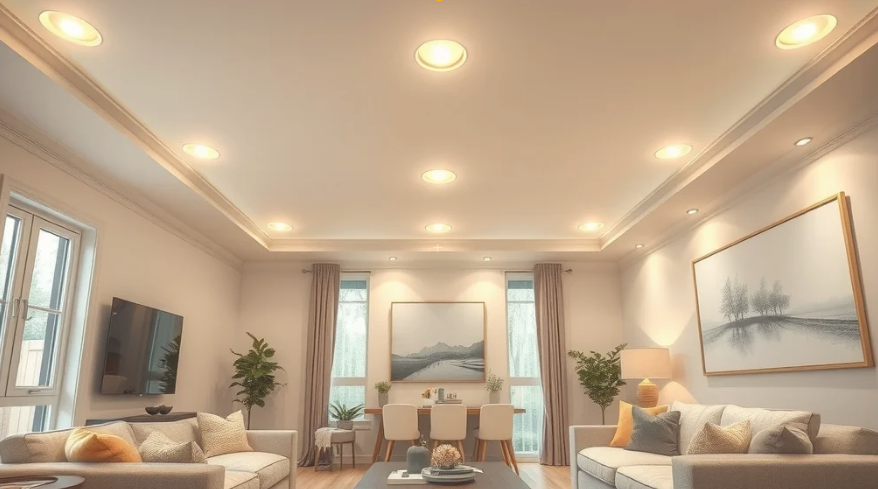
Pot light installation is one of the most popular lighting upgrades among Sunnylea homeowners, prized for its clean, modern look and improved coverage in open-concept spaces. This service is priced at $100 to $200 per light, with cost depending on ceiling access and the type of LED fixture chosen.
Smart home additions round out the list of popular upgrades, covering everything from smart thermostats to full lighting control systems. Smart home installations range from $600 to $2,000 or more, depending on the scope of the project and the number of devices involved. Beyond these project costs, a standard service call fee of $80 to $150 applies, along with a general hourly rate of $90 to $130 for licensed electricians handling smaller repairs or diagnostics.
Choosing the Right Electrician for Your Home
Picking the right professional takes more than a quick search and a phone call to whoever answers first. A methodical approach pays off, especially for larger investments like a panel upgrade or a full smart home integration.
Credentials, Insurance and Reviews to Verify
Before signing off on any project, confirm these essentials:
- A valid ECRA/ESA licence number, displayed on estimates, vehicles, or business cards
- Proof of active liability insurance
- Consistent, positive reviews across platforms like Google or Homestars
- Experience with both residential and commercial electrical work, which signals broader problem-solving skills
- A written warranty covering labour and materials, typically for one to three years
Checking each of these items takes only a few minutes but can save an enormous amount of stress down the road, particularly if a dispute ever arises over the quality of finished work.
Questions Worth Asking Before You Hire
A short conversation before hiring reveals a lot about how an electrician operates. Worth asking:
- Are you licensed and insured, and can I see your ECRA/ESA number?
- What experience do you have with panel upgrades or smart home installations similar to mine?
- How do you handle permits and inspections for this type of job?
- What does your warranty cover, and for how long?
- Can you provide references from recent Sunnylea or nearby projects?
A confident, direct answer to each question is a good sign. Hesitation or vague responses, particularly around licensing or insurance, are reasons to keep looking.
Licensing Protects Sunnylea Homeowners
Every point covered here circles back to one idea: licensing exists to protect people, property, and long-term peace of mind. From the training required before certification to the insurance protections that come with hiring a Licensed Electrical Contractor, the system is built to catch the mistakes that cause fires, failed inspections, and denied insurance claims.
Sunnylea's mix of established homes and newer builds means electrical needs vary widely from one property to the next, but the standard for safe work stays the same everywhere. Homeowners who verify credentials, ask the right questions, and request written estimates put themselves in a far stronger position, whatever the scope of the project turns out to be.
For anyone planning a panel upgrade, a lighting refresh, or a smart home addition, taking the time to confirm licensing first is one of the simplest ways to protect a home for years to come. When comparing options, it helps to review a licensed electrician's full range of qualifications before committing to any quote.