

Industrial Electricians in Burlington: Expert Solutions for Complex Power Needs
Loose connections, moisture, and improper installs cause most industrial electrical failures - so why do so many facility managers still call a residential electrician for the job? Here's what actually separates safe plants from costly shutdowns.
Key Takeaways
-
Industrial facilities rely on high-voltage systems, automation, and safety-critical infrastructure that general electricians are rarely trained to handle
-
Loose connections and worn parts account for a large share of industrial electrical failures, with moisture also a frequent contributor, and improper installation is a known cause of loose connections
-
Meeting Electrical Safety Authority and Ontario Electrical Safety Code requirements protects a facility from fines, stop-work orders, and voided insurance coverage
-
Preventative maintenance, including infrared testing, can catch problems early enough to cut unscheduled downtime substantially, with some facilities reporting they've halved it
-
Knowing which certifications, insurance, and references to check before hiring an industrial electrical contractor can save a facility from costly mistakes down the road
Industrial facility managers in Burlington carry a heavy responsibility: keeping production lines running, employees safe, and equipment compliant with provincial codes, all at once. Electrical systems sit at the centre of that responsibility, and getting them wrong carries consequences that go far beyond a tripped breaker. This piece walks through why industrial sites need a different kind of electrician than a house or storefront does, and what to look for when choosing one.
Why General Electricians Fall Short
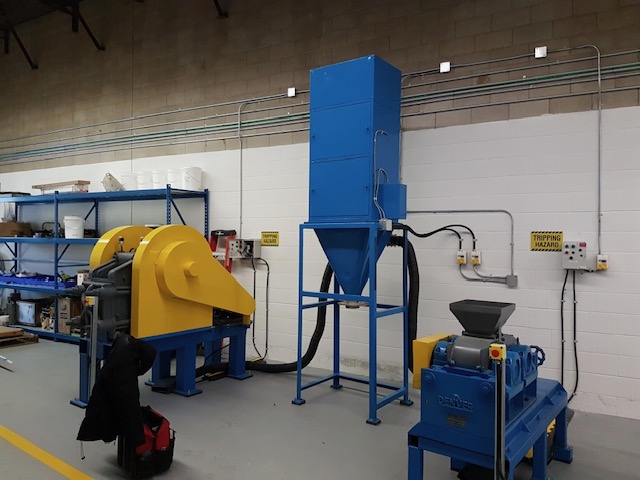
Electricians who spend their careers wiring homes and small offices develop real skill, but that skill does not automatically transfer to a manufacturing plant or distribution warehouse. Industrial sites run on power supplies, distribution panels, and control systems that operate at a scale most residential contractors never encounter. A general electrician might handle a panel swap in a bungalow with confidence, yet feel completely out of their depth in front of a motor control centre or a medium-voltage switchgear room.
This gap matters more than it might seem at first glance. Loose connections and worn parts account for a large share of industrial electrical failures, with moisture also a frequent contributor, and improper installation is a recognized cause of those loose-connection failures. That breakdown shows how much is riding on the qualifications of whoever holds the tools. Crown Electric Ltd has spent decades working across residential, commercial, and industrial properties in Burlington and the surrounding region, and that breadth of experience shapes a clear view: industrial work demands a different training path, different tools, and a different mindset than a typical service call.
The stakes go beyond finances, too. A facility manager who hires the wrong contractor risks equipment damage, workplace injuries, and regulatory headaches that can shut down operations for days. Specialized training exists
How Industrial Power Differs
Industrial electrical systems bear little resemblance to what runs through a typical house or retail unit. Facilities depend on reliable power supplies, intricate control networks, high-capacity distribution panels, and mission-critical backup solutions that must all work together without fail. A single oversight in this interconnected web can escalate quickly into a shutdown or a genuine safety hazard, which is why understanding the differences matters before any contractor is hired.
High-Voltage and Three-Phase Demands
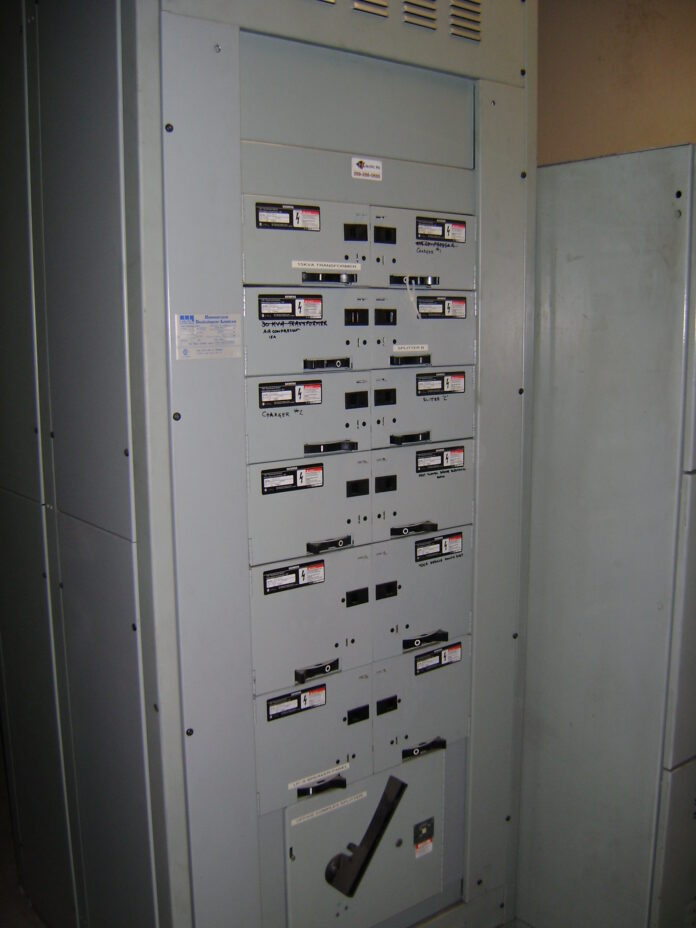
Most plant equipment runs on 480-volt three-phase power, and larger facilities often distribute medium voltage in the range of 4,160 or 13,800 volts. That is a different world entirely from the 120 or 240-volt single-phase circuits found in most homes. Working safely at these voltage levels requires specialized training in load calculations, transformer wiring, and disconnect systems, along with a working knowledge of the equipment that draws this kind of power, from conveyors and compressors to CNC machines. Handling this scale of current calls for proper training as a matter of physics and risk management, not simple confidence.
Automation, Controls and Fire Alarm Integration
Modern plants lean heavily on automation, and that brings its own layer of complexity. Motor control centres, variable frequency drives, and programmable logic controllers all need to be installed, programmed, and maintained correctly to keep operations efficient and safe. On top of that, fire alarm systems and emergency stop circuits have to be integrated properly into the broader electrical network, since these safety-critical controls need attention from the start. A contractor unfamiliar with industrial-grade automation may overlook these integrations entirely, leaving a facility exposed in ways that only surface during an actual emergency.
The Cost of Using a General Electrician
Hiring outside one's specialty rarely saves money in the long run, and industrial electrical work is a clear example of that pattern. General contractors or residential electricians may advertise broad experience, but industrial settings are not forgiving of shortcuts. Improper installation, inadequate troubleshooting, or missing safety controls such as fire alarm and emergency stop circuits can all result from a lack of specialized training, and each of these gaps creates liability that lands squarely on the facility manager's desk.
The financial fallout tends to compound over time rather than show up all at once. A poorly wired motor control centre might work fine for months before failing during peak production, and a missed fire alarm integration might only reveal itself during an inspection or, worse, an actual fire. Repeated service calls, insurance complications, and unplanned downtime all trace back to the same root cause: a contractor who was not equipped for the job in the first place. The lowest bid on a proposal rarely accounts for these hidden costs, which is exactly why proposals need careful scrutiny rather than a quick comparison of price alone.
What a Specialized Contractor Delivers
A contractor built for industrial work offers something closer to a long-term partnership than a one-off service call. Full-service support means a facility manager gets one point of contact across every stage of a project, which cuts down on coordination headaches and keeps timelines realistic.
Design, Installation and Emergency Repairs
Specialized industrial contractors handle the full lifecycle of a facility's electrical needs, starting with consultation and system design and carrying through installation, integration, and future expansion. This includes heavy-duty wiring, panel upgrades, and connections for equipment that draws serious current. When something goes wrong unexpectedly, emergency response becomes just as important as the initial installation. Electrical faults can halt an entire production line within minutes, so rapid diagnosis and restoration form a core part of what a true industrial electrician provides.
Preventative Maintenance and Infrared Testing
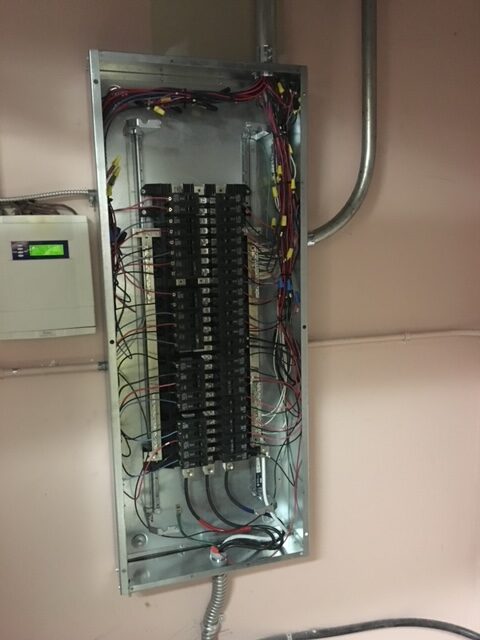
Waiting for equipment to fail is an expensive way to run a facility. Preventative maintenance programs, including infrared heat scanning, let contractors catch overheating connections, worn components, and other early warning signs long before they turn into a shutdown. Facilities that adopt preventative maintenance, including infrared testing, have reported cutting their unscheduled downtime in half by catching problems before they escalate. Regular breaker panel audits and backup power checks round out this kind of maintenance schedule, giving facility managers a clearer picture of system health throughout the year rather than only after something breaks.
Meeting ESA and OESC Requirements
Every industrial electrical project in Ontario has to answer to two authorities: the Ontario Electrical Safety Code, which sets the technical standards for installation and maintenance, and the Electrical Safety Authority, which enforces those standards through inspections and permitting. Compliance is not optional, and the Ontario Building Code adds further requirements around fire suppression systems, alarms, sprinkler networks, and properly placed fire exits for industrial buildings.
Skipping proper compliance is a costly gamble. Non-compliance with ESA regulations can lead to fines, stop-work orders, and in serious incidents, even criminal charges. Insurance adds another layer of pressure here, since many providers require proof of ESA- and CSA-compliant work, and a non-compliant installation could void coverage entirely if a fire or equipment failure occurs. Beyond the legal and financial exposure, proper compliance dramatically reduces the risk of electrical fires, arc flash incidents, and machinery failures, which remain the leading concerns in any high-load industrial environment. A specialized industrial electrician tracks these evolving standards as part of the job, so facility managers do not have to become code experts themselves.

Vetting an Industrial Electrical Contractor
Choosing the right contractor takes more than a quick search and a phone call. A facility manager weighing options should treat this decision with the same seriousness given to any major equipment purchase, since the wrong choice can affect safety, uptime, and compliance for years.
Certifications, Insurance and References
A few practical steps make the vetting process manageable:
-
Confirm current licensing and up-to-date industry certifications specific to industrial and high-voltage work.
-
Verify liability and workers' compensation insurance coverage for industrial projects.
-
Ask for references from similar industrial facilities, ideally ones involving automation, fire alarm integration, or comparable system complexity.
-
Request details on completed projects that match the scope of the facility's own needs.
-
Clarify warranty terms and expected response times for both scheduled work and emergencies.
Contractors who hesitate to share this information, or who cannot point to relevant industrial project history, are worth reconsidering. A reputable industrial electrical contractor maintains industry certifications and insurance and understands both local code and specialized industrial safety standards, which shows up clearly once references start coming in.
Specialized Expertise Protects Uptime and Safety
Every point covered here circles back to the same idea: industrial facilities operate on a different scale, with different risks, than residential or standard commercial properties. High-voltage systems, automation networks, fire alarm integration, and strict regulatory demands all require a contractor trained specifically for that environment. General electricians bring real value to the properties they specialize in, but industrial sites need a different level of expertise entirely.
Facility managers who treat electrical contracting as a strategic decision, rather than a quick fix, tend to see the payoff in fewer breakdowns, cleaner inspections, and safer working conditions for everyone on site. For a closer look at what qualified industrial electrical support looks like in practice, consider reviewing licensed electrical services in Burlington as a starting point for planning the next project or maintenance review.

Frequently Asked Questions:
What industries do industrial electricians in Burlington typically work with?
Industrial electricians in Burlington commonly work in sectors such as manufacturing, food processing, automotive, logistics, and chemical production. Each industry has unique electrical demands, from conveyor systems to robotic automation. These electricians adapt their expertise to ensure safe, efficient operation across a wide range of industrial environments.
Do industrial electricians in Burlington install and maintain PLC systems?
Yes, many industrial electricians in Burlington are trained in installing, programming, and maintaining Programmable Logic Controllers (PLCs). PLCs are essential for automating processes in modern industrial facilities. These electricians ensure the systems are properly configured for optimal performance and minimal downtime.
How do I choose the right industrial electrician in Burlington?
When choosing an industrial electrician, look for licensing, relevant industry experience, ESA certification, and strong client references. It's also important to assess their responsiveness, safety practices, and familiarity with automation systems. A site visit or consultation can help determine if they’re the right fit for your facility’s needs.
Can an industrial electrician upgrade outdated electrical systems in older factories?
Yes, industrial electricians in Burlington regularly handle electrical upgrades for aging factories and industrial buildings. This includes rewiring, replacing outdated panels, improving energy efficiency, and ensuring systems meet modern code requirements. These upgrades can improve safety, reduce energy costs, and support new equipment installations.
Do industrial electricians in Burlington offer preventive maintenance programs?
Many industrial electricians provide preventive maintenance programs tailored to a facility's operations. These programs include regular inspections, testing of electrical systems, and early detection of potential issues. Preventive maintenance helps avoid costly breakdowns, extend equipment life, and ensure continuous production.