

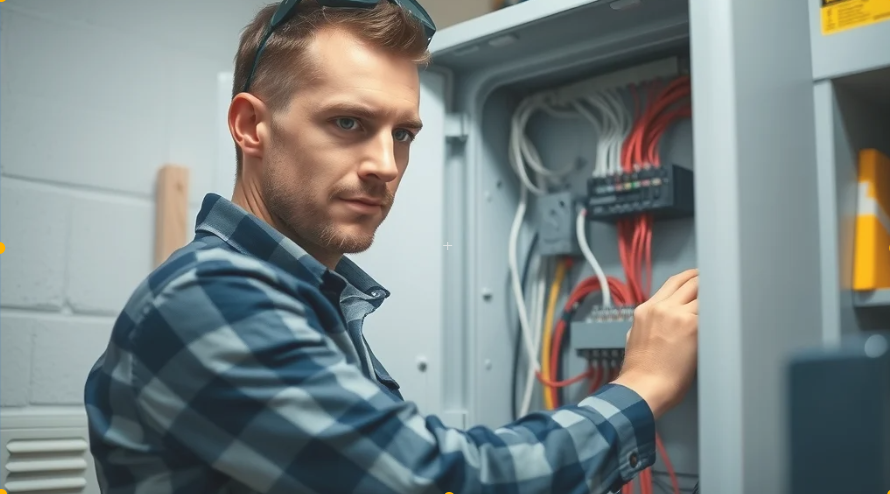
Electrical Panels Etobicoke: What You Need To Know
That flickering light or burning smell near your panel isn't just annoying - it could signal a serious fire risk. Here's how Etobicoke homeowners can spot the warning signs before an emergency strikes.
Key Takeaways
- Cooking equipment remains the leading cause of house fires in Ontario, but outdated electrical panels and fuse boxes still contribute to risk in many Etobicoke homes running limited amp service
- A full electrical panel replacement in Ontario typically costs between $2,500 and $4,500 in 2026, depending on panel size, complexity, and additional upgrades
- Hiring a Licensed Electrical Contractor is required for paid electrical panel work in Ontario; homeowners doing their own principal residence work must still file an ESA notification and arrange an inspection, with the Electrical Safety Authority enforcing the code
- Knowing the warning signs of a failing panel, and how to respond during an emergency, can prevent serious property damage before help arrives
- Emergency electrical panel services are available in Etobicoke for urgent issues like burning smells or full power loss
Flickering lights, a breaker that trips every time the microwave and kettle run together, or a faint burning smell near the basement panel signal that the heart of a home's electrical system may be struggling to keep up. For homeowners across Etobicoke, understanding those signals, and knowing when to call in a professional, makes the difference between a manageable upgrade and a genuine emergency.
Outdated Panels: Etobicoke's Fire Risk
Cooking equipment remains the leading cause of house fires in Ontario, but electrical distribution equipment, including panels and breakers, still plays a meaningful role, even as fires linked to this equipment have trended downward in recent years. Thousands of homes across Etobicoke continue to run systems that were never built for how families use electricity today. Many properties, particularly those built decades ago, operate on limited amp service or rely on fuse boxes that cannot handle modern demand from air conditioners, home offices, kitchen appliances, and entertainment systems all running at once.
Ignoring a struggling panel does not make the problem disappear; it tends to worsen, often leading to power outages, electrical fires, or repair bills higher than the cost of a planned upgrade would have been. Insurance companies have grown less forgiving of aging systems, and a documented panel issue can complicate a claim or even affect coverage. Waiting for a full failure usually costs more, in both money and stress, than acting on early warning signs, a pattern Crown Electric Ltd has observed across decades of work on Etobicoke homes.
Warning Signs Your Panel Is Failing
A panel rarely fails without warning. It tends to send small signals first, and catching them early keeps a minor fix from becoming a costly, disruptive emergency.
- Breakers that trip repeatedly, even during normal daily use
- Lights that flicker or dim when appliances turn on
- A buzzing or humming sound coming from the panel itself
- A burning smell near the panel or outlets
- No room left in the panel for new circuits when adding appliances or renovating
Any one of these signs deserves attention, but a combination of two or more usually means the panel has reached the end of its useful service life. Warm outlets or switch plates, discolored panel covers, and outlets that stop working for no clear reason round out the list of red flags worth taking seriously. Homes preparing for renovations, an EV charger, or a hot tub should treat these signs as a strong cue to schedule an inspection before the new load gets added.
Fuse Boxes vs. Modern Breaker Panels
Many older homes in Etobicoke still operate with obsolete fuse box systems that were standard decades ago but are ill-equipped for today's electrical demand. Understanding the difference between the two systems helps explain why so many electricians recommend replacement rather than repair.
Fuse boxes work by burning out a metal strip inside the fuse when a circuit gets overloaded, which cuts the power. Each fuse can only be used once, so a blown fuse means finding a replacement, sometimes with the wrong amperage rating, which raises the risk of overheating and fire. Fuse boxes also lack the refined protections that modern homes need, and swapping in a mismatched fuse is a common mistake that turns a small inconvenience into a real hazard.
Breaker panels solve these problems in a fairly simple way. When a circuit overloads, the breaker trips and can be reset by hand once the issue is cleared, with no replacement part needed. Modern breaker panels also support advanced safety features like arc-fault protection and ground-fault circuit interrupters for damp areas, technology that fuse boxes were never designed to include. For a home with an original fuse box, replacing it with a circuit breaker panel is one of the more direct ways to bring an entire electrical system up to current safety expectations.
Why Only Licensed Electricians Should Do This
Panel work touches the most critical part of a home's electrical system, and Ontario law reflects that seriousness. Hiring a Licensed Electrical Contractor is required for any paid electrical panel work in the province, and the Electrical Safety Authority enforces the code that keeps that work safe. Homeowners are permitted to carry out electrical work on their own principal residence, but they must still file an ESA notification and arrange for an inspection before the work is considered complete.
ESA Permits and Inspections Explained
Most new electrical installations, service upgrades, and major renovation projects in Ontario require an ESA permit along with a follow-up inspection. A licensed electrical contractor typically handles this process directly, pulling the permit and coordinating the inspection so a homeowner does not need to handle the paperwork alone. The Ontario Electrical Safety Code also sets physical standards for the space around a panel, requiring a clear working space in front of the panel that measures at least one meter deep and 750 millimeters wide, or the width of the panel, whichever is greater, extending from the floor to at least two meters above it, with the panel door able to open to at least 90 degrees.
This permit and inspection process exists for a practical reason. It creates a documented record that the finished work meets code, which matters if a home is ever sold, if an insurance claim needs to reference the electrical system, or if problems surface years later. Skipping this step, even accidentally, leaves a homeowner with no proof the work was ever done safely.
Risks of Hiring Unlicensed Contractors
Choosing an unlicensed contractor to save a little money on a panel upgrade tends to create bigger problems down the road. Unlicensed work often skips the permit and inspection process entirely, leaving no official record that the job meets the Ontario Electrical Safety Code.
The risks stack up quickly:
- Faulty wiring or panel work can void a home insurance policy entirely, leaving the homeowner responsible for the full cost of any resulting fire or electrical damage
- Work that was never inspected has a high chance of failing a future inspection, triggering repeat costs to fix it properly
- Licensed electricians carry liability insurance, so damage or injury during a job is covered; unlicensed workers typically carry none
- Corners cut on grounding, bonding, or breaker sizing create real fire and shock hazards that may not surface until much later
A licensed electrician's premium reflects real value: current code knowledge, insurance coverage, and accountability that an unlicensed worker simply cannot offer.
What a Panel Upgrade Really Costs
Budgeting for a panel upgrade gets easier once the price factors are clear. The typical cost for a full electrical panel replacement in Ontario ranges between $2,500 and $4,500 in 2026, depending on panel size, complexity, and any additional upgrades involved.
Several factors push a project toward the top or bottom of that range. Panel amperage plays a major role, since a 200-amp upgrade involves more materials and labor than a smaller 100-amp swap. The age and layout of the home matters too, as older properties often need extra work rerouting circuits or accommodating outdated wiring. Replacing a fuse box adds complexity compared to swapping one breaker panel for another, and any additional safety features, like surge protection or extra circuits for new appliances, add to the total. Permit and inspection fees are part of the process as well, and a licensed electrician typically builds these into the overall quote rather than surprising a homeowner after the fact.
Financing has become more common for projects like this. Many electrical contractors partner with financial institutions to offer payment plans stretching from twelve months onward, which can make sense when an aging panel is limiting other home improvements or creating friction with an insurance provider. Requesting a written estimate before work begins remains the clearest way to understand where a specific project will land, and a reputable contractor should walk through every line item with no hidden costs tacked on later.
Handling Panel Emergencies Safely
Electrical emergencies rarely wait for convenient timing, and a failing panel can turn dangerous fast. A burning smell, smoke coming from the panel, or a sudden total loss of power are all signs that call for immediate professional help rather than a wait-and-see approach.
The safest response during a panel emergency follows a few clear steps:
- Shut off power at the main switch if it can be reached safely, without touching the panel itself
- Evacuate the area if smoke, sparking, or a strong burning smell is present
- Call emergency services first if there are any visible flames
- Contact a licensed electrician offering emergency panel service for urgent diagnosis and repair
- Avoid resetting breakers repeatedly if they keep tripping, since this can mask a more serious underlying fault
Attempting a DIY fix on a panel mid-emergency is one of the riskier decisions a homeowner can make, since only a trained professional can tell whether the issue is a simple circuit fault or a sign of full panel failure. Emergency electrical panel services are offered in Etobicoke for exactly these situations, prioritizing safety and restoring necessary power before scheduling any longer-term repair or replacement.
A Safer, Future-Ready Etobicoke Home
Electrical demand keeps climbing as homes add EV chargers, smart devices, home offices, and high-efficiency HVAC systems. A panel sized for the electrical habits of decades past simply was not built to carry that load safely, and stretching an old system past its limits invites the exact problems this guide has covered: tripped breakers, fire risk, and insurance headaches.
Treating a panel upgrade as a long-term investment rather than an inconvenience tends to pay off. A modern panel supports safer daily living, adds real value if the home ever goes on the market, and removes one of the more common reasons an insurance provider might balk at a claim. Etobicoke homeowners who address warning signs early, hire licensed professionals, and understand the real cost of the work put themselves in a strong position for whatever comes next, whether that is a new EV charger, a renovation, or simply the peace of mind that comes with reliable power.
For homeowners ready to take the next step, scheduling a professional electrical panel inspection is a practical way to find out exactly where a home's system stands before small warning signs turn into a bigger problem.