

Electrician in Rathwood
That flickering light in your Rathwood home could be hiding a serious hazard - electrical equipment is Ontario's fourth leading cause of house fires. Here's what to check before hiring anyone to touch your wiring.
Key Takeaways
- Hiring a licensed electrician in Rathwood protects homeowners and business owners from fire risk, code violations, and denied insurance claims
- Electrical equipment is the fourth leading cause of house fires in Ontario, and equipment failure accounts for most home electrical fires, making licensing checks a safety priority rather than a formality
- Panel upgrades, pot light installations, and service entrance work all require a licensed electrical contractor under Ontario rules
- Local electricians in Rathwood typically charge between $80 and $120 per hour, though emergency or specialized jobs can run higher
- Comparing at least three quotes, confirming ESA licensing, and reviewing warranties are the best ways to vet a contractor before work begins
Electrical problems rarely announce themselves before they turn serious. A flickering light or a warm outlet might seem like a minor annoyance, but for homeowners and business owners in Rathwood, Ontario, these small signals often point to bigger risks hiding behind the walls. Understanding why licensing matters, what the law actually requires, and how to choose the right professional makes the difference between a safe, code-compliant property and one facing costly repairs down the road.
Improper Wiring: A Leading Cause of House Fires
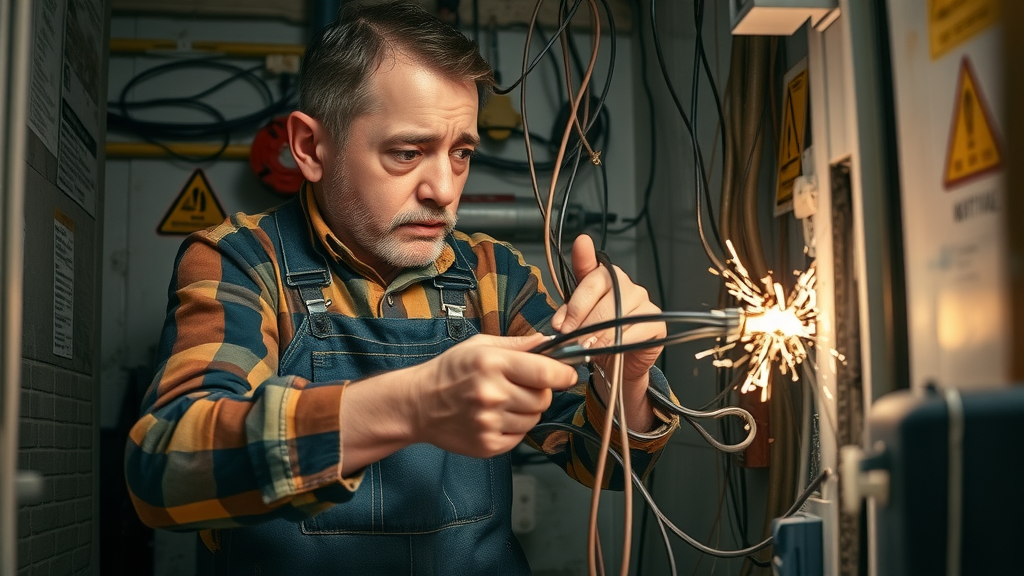
Electrical equipment ranks as the fourth leading cause of house fires in Ontario, and equipment failure is behind the majority of home electrical fires. Loose connections, overloaded circuits, and incorrect grounding create the conditions for sparking, overheating, or an electrical fire, and these hazards often build quietly over months or years before anyone notices a problem.
Delaying repairs rarely saves money in the long run. What starts as a manageable fix, like a buzzing outlet or a breaker that trips more often than it should, can escalate into a full-blown emergency involving power disruptions, melted wiring, or a fire that puts an entire property at risk. Addressing these warning signs early, with a qualified professional, keeps small issues from becoming expensive disasters.
Why a Licence Isn't Optional in Ontario
Ontario law requires anyone offering electrical installation services to the public to hold a licence through the Electrical Safety Authority (ESA). This requirement is built directly into the province's Electricity Act and its accompanying Licensing Regulation, and it exists to guarantee that whoever touches a home's wiring, panel, or new installation has been tested on real safety knowledge and held accountable by a governing body.
Two layers of credentials work together to form this system. A Master Electrician licence recognizes an individual's technical expertise, earned only after at least three years working as a journeyperson electrician and passing the Master Electrician examination, which consists of 80 multiple-choice questions divided among three sections: the Ontario Electrical Safety Code, Worker Safety, and Business Administration. A separate Electrical Contractor licence authorizes a business to take on electrical work at all, and it requires the company to employ at least one designated Master Electrician who supervises every installation for code compliance. Property owners doing their homework should confirm both: the individual electrician's credentials and the company's contractor licence.
What Happens When You Skip a Licensed Pro
Hiring someone without proper credentials might look like an easy shortcut, but the risks stack up fast. Electrical systems touch nearly every part of a building, so a single mistake can cascade into serious property damage, personal injury, or a legal headache that far outweighs any money saved upfront.
Unlicensed work carries consequences well beyond the job site itself. Insurance policies generally assume electrical work meets the Ontario Electrical Safety Code, so when a claim traces back to work performed by someone without a licence, insurers can deny coverage outright, leaving the property owner to cover repairs or liability costs out of pocket. Work that fails to meet code will also fail a municipal inspection, meaning it has to be torn out and redone, effectively paying twice for a job that should have been done right from the start. Crown Electric Ltd has spent decades helping homeowners across the region understand exactly what proper licensing protects them from.
Electrical Work That Requires a Licensed Electrician
Some electrical projects in Ontario can be completed by homeowners working on their own primary residence, provided they secure an ESA permit and pass an ESA inspection. Many other jobs, however, call for a licensed professional every time, both by law and by common sense given the stakes involved.
Panel Upgrades and Pot Lights
Outdated or overloaded electrical panels are among the most common hazards found in homes today. Modern lifestyles, with EV chargers, home offices, and expansive entertainment systems, place far more demand on a home's electrical system than the panels installed decades ago were ever built to handle. A professional panel upgrade lets a home safely manage these increased loads, reducing the risk of fire, power surges, and frustrating outages, while meeting current code and insurance requirements.
Pot lights bring a different kind of value, blending style with function. Pot light installation offers sleek, low-profile illumination that suits kitchens, living rooms, and offices, while improving both energy efficiency and a property's visual appeal. Because this work involves running new wiring and connecting to existing circuits, it falls squarely within the scope of jobs a licensed electrician should handle.
Service Entrance and New Construction
Any work involving the service entrance, where electricity enters a building from the utility line, sits firmly outside the scope of DIY projects. This is one of the highest-stakes points in any electrical system, and mistakes here can affect an entire property's power supply and safety.
New construction electrical rough-in work, along with any electrical installation in commercial or multi-residential buildings, also requires a licensed electrician by default. These projects tend to involve more complex load calculations and code requirements, including additions in the 2024 Ontario Electrical Safety Code, which took effect May 1, 2025. That update includes a complete rewrite of the installation requirements for energy storage systems at residential buildings and additional requirements for outdoor receptacles at single dwellings to prevent shock hazards, making professional oversight essential from the first stage of the build.
How to Vet an Electrical Contractor
Choosing the right contractor takes a bit more effort than picking the first name that appears in a search result. A little diligence upfront saves considerable frustration, and money, later on.
Confirming ESA Licensing and Reviews
Checking whether an electrician appears on the Electrical Safety Authority's public registry confirms their licensing status before any work begins. This single step takes just a few minutes and provides real assurance that the person stepping into a home or business has met the province's testing and accountability standards.
Reviews add another useful layer of confidence. Reading verified feedback on platforms like HomeStars, Google, or the Better Business Bureau tends to reveal how a contractor handles communication, scheduling, and problem-solving under real conditions, not just in a sales pitch.
Comparing Quotes and Warranties
Getting a detailed, written quote before work starts sets clear expectations on cost and timeline. A few smart questions can help avoid surprises once a project is underway:
- Is the contractor and every electrician on the job individually licensed by the ESA?
- Does the company carry liability insurance covering damage or injury during the project?
- Is there a written warranty backing the finished work?
- Does the quote clearly break down labour, materials, and permit costs?
Comparing at least three quotes from local providers helps benchmark value and spot red flags, such as pricing that seems unusually low for the scope of work described. Reputable contractors are generally happy to provide this information without hesitation, since transparency tends to reflect confidence in the quality of their work.
What Electricians Charge in Rathwood
Understanding pricing helps property owners budget accurately and avoid unpleasant surprises partway through a project. Local electricians in Rathwood charge between $80 and $120 per hour, with emergency calls and specialized work potentially costing more depending on complexity and timing.
Some electricians charge hourly, while others offer flat rates for specific, well-defined jobs like outlet replacement or panel inspections. Whichever pricing model a contractor uses, a written estimate that breaks down labour, materials, and any permit fees remains the best way to compare options fairly and confirm there are no hidden costs waiting at the end of the job.
A Licensed Electrician Protects Your Investment
Electrical work touches everything from daily comfort to long-term safety, which makes the choice of who handles it one of the more important decisions a property owner makes. Licensing through the Electrical Safety Authority exists precisely to guarantee that choice comes with real accountability, backed by tested knowledge and legal oversight.
Whether the project involves a small repair, a full panel upgrade, or a new pot light installation, working with a properly credentialed professional protects both the property itself and the people living or working inside it. For a practical next step, homeowners and business owners weighing an upgrade or repair can look into licensed electrical contractor services to get a clearer sense of what the work involves and what to expect from consultation through completion.