

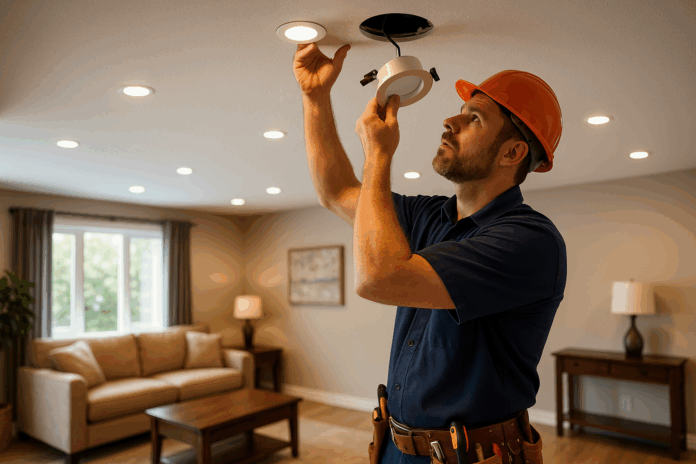
Residential Electrician In Oakville: Your Hiring Guide
That flickering light or warm switch plate might seem harmless, but in Oakville homes it could signal aging aluminum wiring or a fire risk. Here's how to know when it's time to call a licensed electrician - and what questions to ask first.
Key Takeaways
- Hiring a licensed residential electrician in Oakville protects homeowners from fire risks, code violations, and costly rework down the road
- Ontario electricians must complete years of on-the-job training plus 840 hours of in-class instruction before they can sit the certification exam
- The Electrical Safety Authority enforces the Ontario Electrical Safety Code and requires permits for most panel upgrades, EV charger installs, and major renovations
- A 100A to 200A panel upgrade in Oakville includes the cost of the ESA permit and utility coordination, with pricing varying by project scope
- Knowing the warning signs of failing wiring, from warm outlets to buzzing panels, helps homeowners decide when it's time to call in a licensed pro
Electrical problems rarely announce themselves with a bang. More often, they show up quietly, as a flicker here, a warm switch plate there, until one day a breaker won't reset. Understanding when and why to bring in a licensed residential electrician in Oakville, Ontario can mean the difference between a routine fix and a full-blown emergency.
Why Most Homeowners Still Need a Licensed Pro
Electrical systems look simple from the outside: a panel, some wires, a handful of outlets. In reality, a home's electrical infrastructure is a network of interconnected circuits that must be sized, grounded, and protected in compliance with strict provincial rules. A single miscalculated load or improperly grounded connection can turn a minor project into a fire hazard, which is exactly why Ontario law limits paid electrical work to Licensed Electrical Contractors.
Beyond the legal requirement, there's a practical case for hiring a professional. Trained electricians know how to measure loads correctly, test systems before closing up walls, and catch problems that an untrained eye would miss entirely. Crown Electric Ltd has spent more than three decades working on homes across Oakville, Mississauga, Burlington, and Etobicoke, and that kind of hands-on experience tends to surface the small details that prevent bigger headaches later.
Poor-quality electrical work creates safety risks and can also lead to expensive repairs once a problem resurfaces, sometimes buried behind drywall or ceiling tile where it's hardest to reach. Paying for a licensed job the first time is generally the more economical path over the life of a home.

The Licensing Path Behind Every Qualified Electrician
Understanding what it actually takes to become a licensed electrician in Ontario helps explain why the credential matters so much. The path involves years of supervised, hands-on work paired with formal classroom instruction, far beyond a quick certificate earned in a weekend course.
Apprenticeship Hours and Certification Exams
Every licensed electrician in Ontario completes years of on-the-job training as an apprentice, alongside 840 hours of in-class instruction. Only after finishing both components can a candidate sit the certification exam. Electricians who want to eventually own or operate a contracting business face an even longer road: at least three more years of work after certification, followed by a separate exam to become a Master Electrician. Every Electrical Contractor Licence in Ontario requires at least one Master Electrician on staff at all times, which is worth asking about when comparing companies.
How the ESA Enforces the Ontario Electrical Safety Code
The Electrical Safety Authority oversees compliance with the Ontario Electrical Safety Code and makes sure completed work meets provincial safety standards. Most new installations, service upgrades, EV charger installations, and major renovation projects require an ESA permit and a follow-up inspection. When a homeowner hires a Licensed Electrical Contractor, that contractor typically files the notificat
Warning Signs Your Wiring Needs Attention
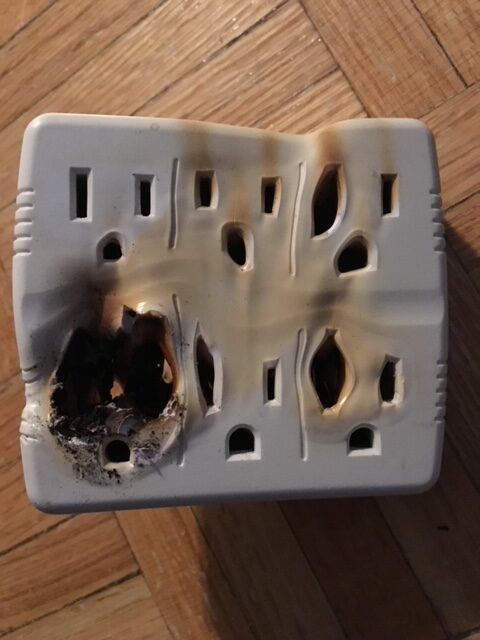
Electrical systems tend to send warning signals long before something fails outright. Recognizing those signals early can prevent a small fix from turning into an emergency call.
- Flickering lights or noticeable dimming when appliances kick on
- Circuit breakers that trip more often than they used to
- Outlets or switches that feel warm to the touch
- A buzzing sound coming from near the electrical panel
- A burning smell around outlets, switches, or the panel itself
- Reliance on extension cords or power bars because there aren't enough outlets
- Homes still wired with knob and tube or aluminum wiring
Copper wiring, the modern standard, typically lasts more than 50 years without significant degradation. Aluminum wiring, which was widely used through the 1960s and 1970s, tends to degrade faster and can pose a real fire risk if it hasn't been properly retrofitted. Any home built or renovated during that era is worth a professional inspection, especially if the wiring type has never been confirmed.

What a Residential Electrician Handles at Home
Residential electrical work covers far more ground than most homeowners realize. A qualified electrician can handle everything from small lighting upgrades to whole-home rewiring, and involving one early on a renovation avoids costly surprises later.
Common projects include:
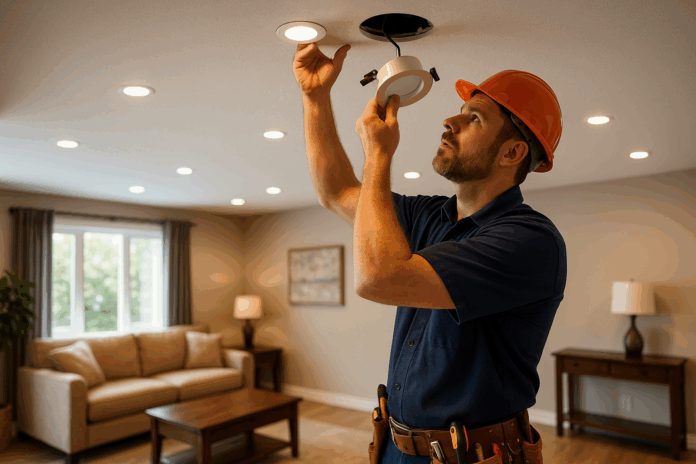
- Lighting installation, from recessed pot lights to statement chandeliers and motion-activated fixtures
- Ceiling fan installation and repair
- GFCI outlet wiring for kitchens, bathrooms, and outdoor spaces
- EV charger installation for Level 2 home charging setups
- Electrical panel upgrades, typically moving from 100 amp to 200 amp service
- Full home rewiring, converting outdated knob and tube or aluminum systems to copper
- Surge protection systems to guard sensitive electronics
- Smoke and carbon monoxide detector wiring
- Exterior lighting design for safety and curb appeal
- Standby generator installation for backup power during outages
Standard jobs like a light fixture swap or a new outlet typically take one to four hours. Larger undertakings, such as a panel upgrade or a full rewiring project, can stretch across several days depending on the scope and the home's existing infrastructure. Anyone planning a kitchen renovation, basement finish, or room addition benefits from bringing an electrician into the conversation early, since proper load calculations and code-compliant planning are much easier to build in from the start than to retrofit afterward.
What Panel Upgrades and EV Wiring Cost in Oakville
Cost is often the deciding factor for homeowners weighing whether to move forward with an upgrade. Panel upgrades and EV charger wiring are two of the most common big-ticket projects, and pricing varies depending on the complexity of the job.
A 100A to 200A panel upgrade in Oakville includes the cost of the ESA permit and utility coordination, with the total depending on the scope of the job. Installing a dedicated 240V outlet for an EV charger generally costs between $250 and $800, since it requires running a dedicated circuit back to the main panel.
Hourly labour rates across Canada tend to fall between $80 and $150 for smaller residential jobs, with the first hour of a service call often priced higher, around $100 to $200, to cover travel time and initial diagnosis.
Recessed lighting installation in Oakville costs between $200 and $400 per fixture, including wiring and installation. A standard ceiling fan installation typically costs $100 to $250 in labour for a standard setup. Getting a written estimate before work begins remains the best way to avoid surprises, regardless of which company ends up doing the job.
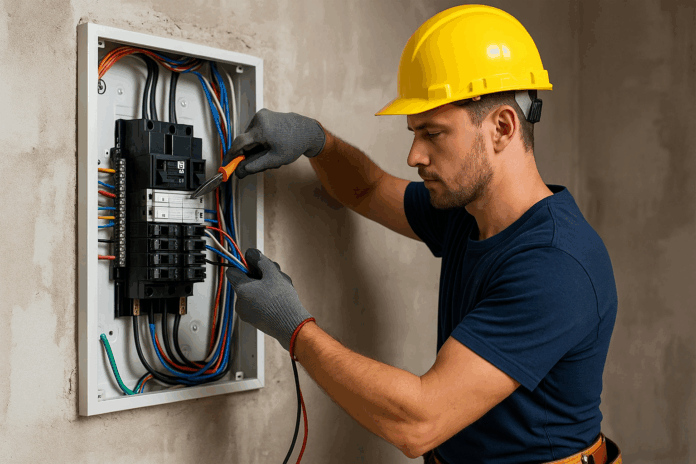
Questions to Ask Before You Hire
Choosing the right electrician takes more than a quick online search. A few pointed questions upfront can save considerable frustration later.
- Is the company licensed and insured in Ontario, including liability and WSIB coverage?
- Does the electrician have direct experience with this specific type of project, whether that's an EV charger, a panel upgrade, or full home rewiring?
- Will the company file the necessary ESA permit and arrange for inspection?
- Is pricing transparent, with a written estimate provided before work starts?
- Can the company provide references or reviews from other local homeowners?
Liability insurance matters more than many homeowners realize. It protects against accidental property damage or injury on the job site, shifting that risk away from the homeowner and onto the contractor. A company that h
Licensed Work Protects Your Home and Your Wallet
Electrical work touches nearly every part of daily life at home, from the lights overhead to the outlet charging an EV overnight. Cutting corners on that work, whether through an unlicensed handyman or a DIY attempt, trades a small upfront saving for a much larger risk down the line. Licensed electricians bring years of documented training, code knowledge, and insurance coverage that protect both the home and the people living in it.
Oakville's older housing stock, much of it built during the decades when aluminum wiring was common, makes this especially relevant for local homeowners. A qualified inspection can confirm whether a home's wiring is aging gracefully or quietly becoming a liability. Pairing that knowledge with a properly licensed contractor for any upgrade is the most reliable way to keep a home safe, functional, and up to code for decades to come.
Before booking the next lighting upgrade or panel replacement, homeowners in Oakville can review this residential electrician hiring guide for a clearer picture of what proper licensed work should look like from start to finish.

Frequently Asked Questions
1. What kind of residential electrical services does Crown Electric Ltd offer in Oakville?
Crown Electric Ltd in Oakville installs and repairs lighting (pot lights, chandeliers, motion lights), ceiling fans, GFCI outlets, electric vehicle (EV) chargers, and more. They also handle panel upgrades, surge protection, home rewiring, and outdoor lighting.
2. How quickly can I get an electrician to my Oakville home?
Crown Electric Ltd’s licensed residential electricians aim for fast response times and reliable scheduling. Call to book an appointment — they’ll provide an estimated arrival time so you know when they’ll be at your door in Oakville.
3. Are your electricians licensed and insured in Oakville?
Yes. Crown Electric Ltd. is fully licensed, ESA‑certified, and carries liability and WSIB insurance. Their Oakville team has over 30 years of experience and uses advanced diagnostic tools on every job.
4. How much does it cost to install recessed lighting or ceiling fans?
In Oakville, recessed lighting costs typically range between $200 and $400 per fixture, including wiring and installation. Ceiling fan installations usually cost between $100 and $250 in labour for standard setups.
5. Does Crown Electric Ltd handle home rewiring and panel upgrades in Oakville?
Absolutely. They upgrade old knob‑and‑tube or aluminum wiring to modern copper, install 100–200 amp panels, add surge protection, and ensure everything meets Ontario Electrical Safety Code regulations.