

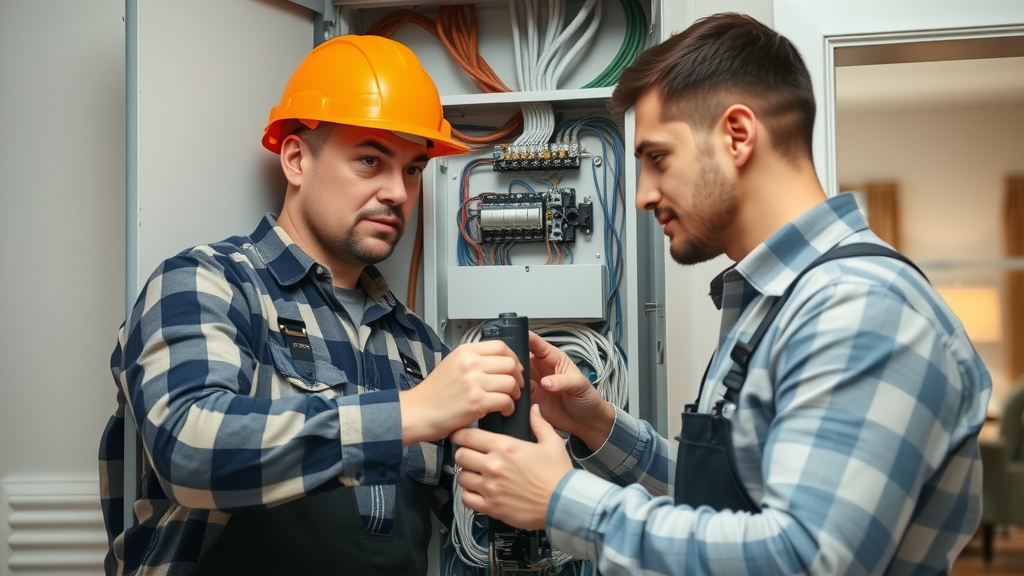
Electrician in South East Oakville
That flickering light or oddly warm outlet in your South East Oakville home could signal something far costlier than a quick fix - especially if your panel dates back decades. Here's how to tell, and who's legally allowed to touch it.
Key Takeaways
- Outdated panels and improper installations remain a common source of electrical trouble in older South East Oakville homes, which makes licensing a safety priority rather than a paperwork step
- Only a Licensed Electrical Contractor business is legally authorized to perform paid electrical work in Ontario; a Master Electrician license lets an individual serve as the designated Master Electrician for such a company but does not on its own authorize public electrical work
- A 100A to 200A panel upgrade in the Oakville area typically runs between $3,500 and $5,500 plus GST, with most jobs wrapped up in a single day
- EV charger installs and hot tub circuits both carry strict permit and GFCI requirements that only a licensed electrician can properly handle
- Knowing the warning signs of failing wiring, from warm outlets to tripping breakers, can help homeowners catch problems before they become expensive
Electrical problems rarely knock politely before they cause damage. A flickering light or a breaker that trips more often than usual can seem like a small annoyance, but in South East Oakville, these signals often point to something bigger hiding behind the walls. Understanding why licensing matters, what jobs demand a certified professional, and how to spot trouble early can save homeowners and business operators from costly surprises.
30% of Local Electrical Issues Trace to Outdated Panels
Outdated electrical panels and improper installations remain a frequent source of electrical trouble in South East Oakville homes. Much of that trouble comes from equipment that has outlived its safe working life or connections that were never done correctly in the first place, rather than from unpredictable accidents.
Older neighbourhoods across South East Oakville often have homes built decades ago, back when a household's power needs looked nothing like they do today. Central air conditioning, EV chargers, hot tubs, and a growing list of smart home devices all draw more current than the panels installed during original construction were ever designed to handle. A panel that once served a home fine simply cannot keep pace with modern demand, and that pattern shows up repeatedly across the area's older housing stock.
Recognizing this risk early matters more than most homeowners realize. A panel nearing its limit does not always announce itself with a dramatic failure. Sometimes it just shows up as lights that dim slightly when the fridge kicks on, or a breaker that trips a little too often to feel normal.
Why ESA Licensing Isn't Optional
Ontario does not leave electrical safety to chance or good intentions. Every electrical contracting business operating in the province must be licensed by the Electrical Safety Authority, the regulatory body responsible for keeping electrical work consistent, safe, and accountable across homes, businesses, and industrial sites. This requirement exists because faulty electrical work carries consequences that go well beyond an inconvenient repair bill.
Master Electrician vs. Contractor Licence
Two credentials get mixed up constantly, and the difference matters more than most people assume. A Master Electrician's licence recognizes an individual's hands-on training and experience, and it qualifies that person to serve as the designated Master Electrician for a licensed company. On its own, that licence does not authorize someone to offer or perform electrical services for the public.
Only a Licensed Electrical Contractor business is legally authorized to perform paid electrical work in Ontario. A trustworthy company holds both pieces in place at the same time: a qualified Master Electrician overseeing the technical work, and a valid Contractor's licence covering the business itself. Anyone hesitant to produce proof of either credential is a signal to keep looking for someone else.
How Compliance Protects Owners and Insurance
Compliance with ESA rules protects far more than the wiring itself. When work meets code, property owners avoid the liability that comes with unsafe installations, and insurance claims tied to electrical damage are far less likely to run into complications. Most home insurance policies expect any electrical work behind a claim to be code-compliant, which means unlicensed work can quietly put coverage at risk without anyone realizing it until a claim gets denied.
Almost all electrical work in Ontario requires an ESA permit, with one narrow exception: homeowners doing work on their own primary residence can file a notification of work directly with the ESA. Anyone hiring outside help, though, must hire a Licensed Electrical Contractor. That distinction closes the loophole some property owners assume exists when they bring in a handyman instead of a licensed pro.
High-Stakes Jobs That Demand a Licensed Pro
Not every electrical task carries the same level of risk, but a handful of common projects sit firmly in licensed-professional territory. These jobs involve enough complexity, power, or safety exposure that cutting corners tends to show up later as an expensive problem.
Panel Upgrades for Modern Power Demands
A panel upgrade is often the starting point for bigger renovation plans, whether that means adding an EV charger, a hot tub, or simply keeping pace with a household's growing appliance load. In the Oakville area, a 100A to 200A residential panel upgrade typically runs between $3,500 and $5,500 plus GST, and most jobs wrap up within a single day. Timing can shift depending on the wiring's condition and how the permit process unfolds, but a straightforward residential job rarely stretches beyond that window.
The process generally follows a predictable path:
- An inspection to confirm the home's current amperage and wiring condition
- Coordination of the required ESA permit before work starts
- Installation of the new panel, breakers, and any needed grounding upgrades
- A final inspection confirming the work meets code
Treating a panel upgrade quote with the same scrutiny given to any major home investment pays off. Asking what is included, and whether permit fees are already factored in, avoids surprises once the invoice arrives.
EV Charger Wiring and Permit Requirements
Electric vehicle ownership keeps climbing across Southern Ontario, and installing a charger safely involves more than plugging in a new outlet. A Level 2 EV charger needs its own dedicated 240-volt circuit to operate safely, and an electrical permit from the ESA is mandatory before work begins in most areas of Ontario, South East Oakville included.
Skipping proper capacity checks or hiring unlicensed help to save money upfront can overload a panel or create a hazard that only surfaces once real damage has already occurred. Once an EV charger installation passes inspection, the ESA issues a Certificate of Acceptance, a document that protects both home insurance standing and property value down the line. That certificate serves as proof the work was done to code, and it can hold up under scrutiny if a claim or a home sale ever depends on it.
Hot Tub Circuits and GFCI Protection
Hot tubs draw a lot of power, and Ontario code treats that seriously. Most standard 240-volt residential hot tubs require a dedicated circuit rated for 40, 50, or 60 amps, and every spa power line must pass through a Class A Ground Fault Circuit Interrupter, which cuts power within milliseconds if it detects a current leak. That kind of split-second protection is the difference between a minor glitch and a serious shock hazard.
Ontario's Electrical Safety Code also requires the manual disconnect switch for a hot tub to be installed at least 1.5 metres (5 feet) away from the inside wall of the tub, and no further than 3 metres (10 feet) away, positioned within direct line of sight. All hot tub installations require an ESA permit, no exceptions. Given the combination of high current, water exposure, and strict code placement rules, this project calls for a trained professional rather than trial and error.
Warning Signs Your Wiring Needs Attention
Electrical systems rarely fail without warning, but the warnings tend to be quiet ones that get ignored until something worse happens. Flickering lights, warm or discoloured outlets, a burning smell, or breakers that trip more than they used to are all signals worth taking seriously rather than brushing off as quirks of an older home.
Aluminum wiring adds another layer worth understanding, since it was widely used in Ontario homes built from the mid-1960s through the late 1970s. It can remain safe when properly installed and maintained, but problems tend to surface when connections were never made with the correct devices or the wiring has gone years without a proper check. Anyone living in a home from that era and noticing warm switch plates or flickering fixtures should treat it as a reason to book an inspection rather than wait for a bigger failure.
What Licensed Electrical Service Really Costs
Pricing for licensed electrical work in South East Oakville generally reflects the complexity, urgency, and specialized skill each job requires. The hourly rate for a licensed electrician in South East Oakville typically ranges between $90 and $100, though rates can shift based on experience, job complexity, and whether the work needs to happen on an urgent or after-hours basis.
A few factors tend to move the price up or down on any given job:
- The condition of existing wiring and whether extra testing is needed
- Whether permits and inspections are part of the scope
- Emergency, evening, or weekend timing
- The specific service involved, since panel upgrades and specialty installs like hot tub wiring carry different pricing than routine repairs
Transparent contractors provide written estimates before starting any work, spelling out labour, materials, and permit costs so nothing shows up as a surprise on the final invoice. Asking upfront whether diagnostic fees or permit costs are already included is a simple habit that prevents confusion later.
Choosing a Licensed Electrician: Your Checklist
Vetting an electrician before signing anything saves headaches long after the work is finished. A methodical approach, rather than picking whoever answers the phone first, tends to produce better results and fewer regrets.
- Verify active licensing and insurance in Ontario, and ask to see proof without hesitation
- Request recent referrals or read customer reviews mentioning similar projects
- Ask about direct experience with the specific job at hand, whether that is a panel upgrade, EV charger install, or hot tub wiring
- Get a detailed, written estimate covering labour, materials, and permit fees
- Confirm safety protocols, warranty terms, and how the company handles ESA permits and inspections
A contractor who hesitates to answer any of these questions clearly is worth passing on, no matter how competitive the quote looks on paper.
Licensed Electricians Safeguard Property and People
Electrical work sits in a category where shortcuts rarely save money once the full picture comes into view. A licensed electrician brings code knowledge, permit familiarity, and accountability that protects both the physical property and the people living or working inside it. That protection matters whether the building is a family home in South East Oakville, a retail storefront, or a business relying on uninterrupted power to stay open.
The ESA's licensing requirement exists precisely because electrical systems carry real consequences when the work falls short, from voided insurance claims to genuine fire risk. Choosing a properly credentialed contractor remains the most reliable way to avoid those consequences, whether the job is a routine repair or a full panel overhaul.
For homeowners and business operators ready to address a flickering light, an overdue panel inspection, or plans for a new EV charger, starting with a reliable South East Oakville electrician is the most practical way to keep the project safe, code-compliant, and built to last.