

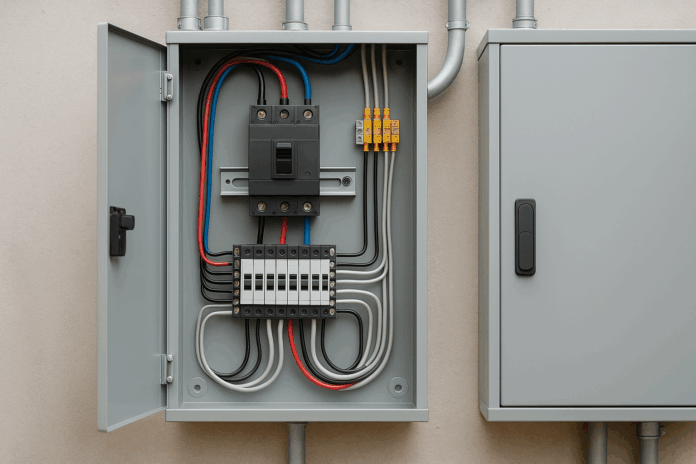
Electrical Panels Mississauga: What You Need To Know
Buzzing breakers, warm panels, that faint burning smell - your home's electrical system might be quietly begging for an upgrade. Find out what triggers the switch, how long it really takes, and why skipping permits could cost you double.
Key Takeaways
- A 100-amp to 200-amp panel upgrade, the most common residential jump in Ontario, typically costs between $2,500 and $4,500, while moving from 200-amp to 400-amp can run $4,000 to $6,500 or more.
- Warning signs like tripping breakers, rust on the panel box, or an original fuse panel usually mean an upgrade is overdue before the system fails outright.
- An ESA permit and final inspection are legally required for panel upgrades in Ontario, and skipping them can void insurance coverage entirely.
- The full upgrade process runs through quoting, inspection, wiring and permit planning, installation, and a final Electrical Safety Authority inspection, with most installs wrapping up in one to two days.
- Utility coordination for the power disconnect and reconnect, not the electrical work itself, is often the part of the timeline that takes the longest.
An electrical panel that struggles to keep up with a household is more than an inconvenience. It can be a genuine safety hazard, and Mississauga homeowners are noticing the warning signs more often as houses fill up with EV chargers, hot tubs, and modern HVAC systems.
Is Your Panel Putting Your Home at Risk?
A panel that trips breakers regularly, buzzes, or feels warm to the touch is sending a clear message. These signal a system straining past its limits rather than a set of quirks to ignore. Rust on the panel box, scorch marks near the breakers, or a musty burning smell are even more urgent red flags that deserve same-day attention.
An outdated or undersized electrical panel can lead to overheating, power loss, and in the worst cases, fire risk. Homes still running on original fuse panels are particularly vulnerable, since fuse-based systems were designed for a much lighter electrical load than most modern households demand. Adding a 240V appliance, like a dryer or an EV charger, to a panel that was not built for it is one of the fastest ways to overload a home's electrical system.
For homeowners trying to figure out whether their panel is due for an upgrade, Crown Electric Ltd's electrician services in Mississauga offer a useful starting point, since assessing panel capacity against current and future household needs is a routine part of the work. A short inspection usually settles the question one way or another.
Why Mississauga Homes Are Outgrowing Their Panels
Mississauga's housing stock spans decades, and older neighbourhoods like Lorne Park and Mineola are especially likely to still have electrical panels sized for a much simpler era of home appliances. A panel installed decades ago was built around a household with a stove, a fridge, and maybe a window air conditioner. That same panel today has to support central air, a home office, multiple streaming devices, and possibly an electric vehicle charging overnight in the garage.
The push toward electric vehicles is a major driver of upgrade demand across the region. Upgrading from a 100-amp to a 200-amp panel is the most common residential upgrade in Ontario, and it is frequently triggered by an EV charger installation, an HVAC replacement, or a home addition. Even homes without an EV in the driveway yet often benefit from planning ahead, since retrofitting a panel later tends to cost more than building in extra capacity during a planned renovation.
The Upgrade Process, Step by Step
Upgrading a panel follows a structured sequence that protects both the homeowner and the electrical contractor, planned out well before anyone touches a wire.
Quote, Scheduling and Inspection
The process typically begins with a request for a quote, followed by scheduling an appointment with a certified electrician. During that visit, the electrician inspects the current panel and evaluates the household's load needs, factoring in appliances, future additions like an EV charger, and any existing wiring concerns. This inspection stage matters because it determines everything that follows, from the size of the new panel to the permits required.
Planning Wiring and Permits
Once the inspection wraps up, the electrical team puts together a plan covering wiring, installation steps, and the necessary permits. This planning stage also includes coordinating with the local utility provider, since power needs to be disconnected before the old panel comes out. Scheduling that disconnect and reconnect of service is often the longest part of the entire timeline, sometimes stretching longer than the installation work itself.
Installation and Final ESA Inspection
On installation day, the electrical team safely disconnects power, removes the old panel, installs the new one, and connects and tests the system before restoring power. Most electrical panel upgrades take one to two days, depending on complexity, though the on-site electrical work for a standard 200-amp upgrade often runs closer to six to ten hours in a single day. A final inspection from the Electrical Safety Authority confirms the work meets code, closing out the project with a Certificate of Acceptance.
What Drives Your Upgrade Cost
Panel upgrade pricing varies drastically depending on panel size, indoor versus outdoor location, existing wiring conditions, and permit and inspection fees. There is no single flat rate that applies to every home, which is why a site visit tends to produce a far more accurate number than a quote given over the phone.
100A vs. 200A vs. 400A Pricing
Panel size is usually the biggest single factor in the final cost. Based on 2026 industry cost guides, homeowners can generally expect the following ranges:
- A 100-amp to 200-amp upgrade, the most common residential jump, typically runs between $2,500 and $4,500.
- A 200-amp to 400-amp upgrade, more common for larger homes or properties with heavy electrical demands, can range from $4,000 to $6,500+.
- A straight panel replacement without a capacity increase generally costs less than a full amperage upgrade, with the exact figure shifting based on amperage and component quality.
Wiring, Location and Permit Fees
Beyond the panel itself, several add-on factors can shift the final price. Replacing outdated wiring, upgrading grounding systems, or adding new circuits alongside the panel swap all increase the total cost. Permit and inspection fees typically add another $250 to $500, and outdoor panel locations or difficult access points can push labour costs higher than a straightforward indoor swap. Homeowners planning a renovation that touches multiple systems at once often find bundling the panel upgrade with other electrical work more cost-effective than tackling each piece separately.
Permits, ESA Rules and Licensing
Permits and licensing are legal requirements built into how electrical work happens in Ontario, and skipping them creates real risk for homeowners.
Why an ESA Permit Is Mandatory
An electrical permit is legally required for major electrical work in Ontario, including changing a main panel, upgrading from a fuse box, or expanding a circuit breaker system. The Electrical Safety Authority handles these permits and oversees the inspections that follow. A licensed electrical contractor applies for the permit, coordinates with the utility provider for the power disconnect, and schedules the ESA inspection once the work is finished. That inspector focuses specifically on the new electrical work tied to the permit, leaving the rest of the home's wiring outside its scope. Once everything checks out, the ESA issues a Certificate of Acceptance confirming the work meets provincial safety standards.
Risks of Hiring an Unlicensed Electrician
Ontario law requires anyone offering electrical installation services to the public to be licensed through the Electrical Safety Authority. Only a licensed electrical contractor with an ECRA/ESA number can legally perform panel changes, including the hydro disconnects and reconnects that come with the job. Skipping this requirement to save money is a gamble that rarely pays off:
- Unlicensed work frequently fails ESA inspection, meaning it has to be torn out and redone by a licensed professional, so the homeowner ends up paying twice.
- Insurance providers can deny claims tied to unlicensed electrical work, leaving property owners responsible for fire or water damage out of pocket.
- Faulty panel work raises the risk of overheating, sparking, and shock hazards throughout the home, well beyond the panel itself.
A Proper Upgrade Protects Your Home for Decades
A panel upgrade done right is an investment that supports a home's electrical needs for years, including whatever comes next, whether that is an EV charger, a home addition, or a new HVAC system. Getting the process right the first time, with proper permits, licensed installation, and a final ESA inspection, means fewer surprises down the road and a system that homeowners can trust every time they flip a switch. A well-planned upgrade also tends to hold its value at resale, since buyers and home inspectors alike look favourably on a modern, code-compliant electrical system.
For homeowners weighing whether their current panel can keep up, starting with a proper inspection and a clear plan for electrical panel upgrades makes the whole process far more manageable.