

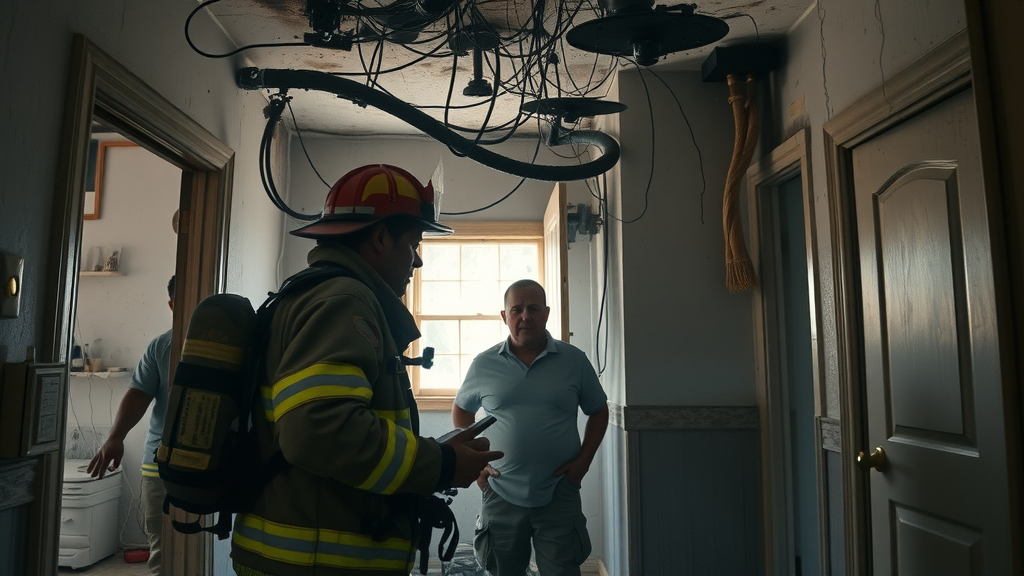
Electrical Troubleshooting In Mississauga: Here Is The Fix
That flickering light or warm outlet in your Mississauga home could be nothing - or the first sign of a hazard hiding behind your walls. Ontario electrical fatalities outside work jumped 40% in a decade. Here's how to tell the difference.
Key Takeaways
- Electrical fires causing property loss in Ontario dropped 10% between 2019 and 2023, though cooking equipment remains the leading cause, making early troubleshooting a safety priority rather than a mere convenience
- Warning signs like flickering lights, warm outlets, buzzing panels, and frequent breaker trips often point to hidden wiring hazards behind the walls
- DIY electrical fixes can trigger shocks, fires, or insurance denials, since most home policies assume repairs meet the Ontario Electrical Safety Code
- Troubleshooting and minor repairs typically run $90-$150/hr, while a panel upgrade ranges from $1,500-$3,500
- Regular habits like testing breakers and inspecting panels can catch trouble long before it becomes an expensive emergency call
Flickering lights, a breaker that trips for no obvious reason, an outlet that feels warm to the touch - these small annoyances are often the first clue that something bigger is wrong behind the walls. Mississauga homeowners and business owners deal with these signals more often than most realize, and knowing when to worry separates a quick fix from a costly disaster.
Warning Signs Behind Ontario Electrical Fires
Electrical fires causing property loss in Ontario actually decreased by 10% between 2019 and 2023, and cooking equipment remains the leading cause of these fires rather than wiring alone. That decline doesn't erase the risk hiding behind ignored warning signs - a flickering light dismissed as a loose bulb, a breaker trip blamed on "too many things plugged in," or a buzzing sound written off as background noise from an old house settling.
Provincial data adds weight to the concern. Emergency departments across Ontario logged 9,672 visits for electrical injuries between 2014 and 2023, and most of those incidents happened right at home rather than on a job site. Electrical fatalities outside of work climbed by 40% between 2015 and 2024 in Ontario, a trend that runs counter to the assumption that home electrical systems are inherently safe just because they're familiar. These patterns make clear that scheduling a proactive inspection, rather than waiting for a reactive emergency call, tends to be the safer, more affordable option for Mississauga properties, as outlined in electrical troubleshooting services in Mississauga.
Understanding what counts as a warning sign is the first step toward avoiding those statistics altogether. A single flicker or trip might mean nothing serious, but a pattern of them, especially paired with heat, smells, or sounds, deserves prompt attention from someone trained to read what's actually happening inside the walls.
Common Electrical Problems to Watch For
Electrical trouble rarely appears all at once. It tends to build gradually, showing up first as small quirks that seem easy to ignore until they aren't.
Flickering Lights, Trips and Dead Outlets
A handful of symptoms show up again and again in Mississauga homes and businesses, and each one points toward a specific kind of underlying issue.
- Frequent circuit breaker trips usually signal an overloaded circuit or a short somewhere in the system, both of which need attention rather than repeated resets.
- Dead outlets and flickering lights often trace back to worn connections or aging wiring that can no longer keep a steady current flowing.
- Persistent power surges can quietly damage sensitive electronics long before anyone notices a pattern, making them one of the sneakier warning signs.
- Loss of power to ceiling fans, pot lights, or fixtures frequently points to a wiring or switch problem that needs a proper diagnosis rather than a bulb swap.
- Outdated or overloaded electrical panels struggle to keep up with the demands of modern appliances, EV chargers, and home offices, and often sit at the root of several symptoms at once.
Ignoring any of these for too long tends to compound the risk, since a minor wiring fault left alone rarely stays minor.
Minor Glitch or Major Hazard?
Telling the difference between an annoying quirk and a genuine hazard comes down to frequency and intensity. A single tripped breaker after running a space heater and a hair dryer at the same time is probably not cause for alarm. Repeated trips on the same circuit, however, especially paired with a burning smell, a buzzing sound from the panel, or scorch marks around an outlet, cross the line into urgent territory.
Certified electricians are trained specifically to spot that line. Thermal imaging and panel diagnostics can reveal a hot connection or failing component long before it produces any visible symptom at all, which is exactly the kind of hidden issue that turns into a costly repair, or a fire, if it goes unnoticed. Property owners in Mississauga are generally better served scheduling an inspection at the first sign of a pattern rather than waiting for the problem to announce itself with smoke.
Why DIY Fixes Backfire
Pulling up a video tutorial and tackling an outlet swap might feel like a reasonable weekend project, but electrical work carries risks that most other home repairs simply don't. A miswired connection doesn't always show symptoms right away; it can sit quietly for months before overheating, arcing, or sparking a fire.
Ontario law allows homeowners to do electrical work in their own home, but not in a rental property, and any such work still has to meet every requirement of the Ontario Electrical Safety Code. Getting it wrong risks injury, and it can also trigger a failed inspection, forcing a full teardown and redo by a licensed professional, which ends up costing more than hiring it out correctly the first time. Insurance adds another layer of risk, since most home and business policies assume electrical work meets code. A claim traced back to unpermitted or incorrect DIY work can be denied outright, leaving the property owner to cover fire or water damage entirely out of pocket.
Beyond the legal and financial exposure, there's the simple matter of safety. Shocks, arcing, and fire risk climb sharply when someone without formal training works on live wiring or an electrical panel. The tools and testing methods that catch a hidden fault before it becomes dangerous are the same ones a certified electrician brings to every call, which is exactly why professional troubleshooting exists as a category of service in the first place.
What Licensed ESA Electricians Actually Do
Licensed electricians bring more to a service call than experience. Their process is built around identifying the exact source of a problem, not just patching the symptom that happens to be visible.
Diagnostic Tools Behind Every Repair
Electrical troubleshooting is the structured method of pinpointing, diagnosing, and correcting problems using equipment built specifically for the job. Thermal imaging cameras can spot a connection running hotter than it should, long before that heat turns into a spark. Circuit testers and panel diagnostics narrow down exactly which breaker, wire, or component is failing, rather than leaving a technician to guess. This methodical approach matters because electrical faults are rarely visible on the surface; the wiring at fault is almost always behind a wall, above a ceiling, or inside a panel that isn't safe to open without training.
Licensing Rules Every Contractor Must Meet
Ontario law requires anyone offering electrical installation services to the public to hold a license through the Electrical Safety Authority, a rule meant to protect property owners from unqualified work. Reaching Master Electrician status takes a minimum of three years as a journeyperson, plus a passing score on an 80-question exam covering the Ontario Electrical Safety Code, safety practices, and business standards. That individual credential covers only part of the requirement: a business also needs its own Electrical Contractor Licence through ECRA/ESA before taking on contracting work, meaning both the company and the electrician doing the job need to check out. In Mississauga specifically, licensed professionals go through regular safety and code compliance training and carry insurance against accidents or damage, giving property owners a second layer of protection if something unexpected happens mid-repair.
Troubleshooting and Panel Upgrade Costs
Cost is often the deciding factor in whether a property owner calls a professional right away or waits it out, so having a realistic number in mind helps. Electrical troubleshooting and minor repairs typically run $90 to $150 per hour, covering the diagnostic work needed to pin down the source of flickering lights, dead outlets, or breaker trips. A panel upgrade, which becomes necessary when an older system can no longer handle modern electrical demand, typically ranges from $1,500 to $3,500 depending on the scope of the job.
Weighing that cost against the alternative puts things in perspective. A failed inspection from unlicensed work means paying for the same job twice. A denied insurance claim after a preventable electrical fire can run into tens of thousands of dollars in property damage. Measured against those outcomes, a same-day diagnostic call is a modest investment for the peace of mind it buys.
Habits That Prevent Costly Emergencies
Most electrical emergencies give some kind of advance notice, and a handful of simple habits can catch that warning early enough to matter.
Unplug, Test and Inspect Regularly
A few routine habits go a long way toward preventing small issues from turning into full-blown emergencies:
- Unplug devices that aren't in regular use to reduce the risk of power surges damaging electronics or overloading a circuit.
- Test circuit breakers every three months to confirm they're tripping correctly and responding the way they should under load.
- Book a regular electrical panel inspection, especially in older homes, to catch wear and tear before it turns into a failure.
These habits don't take much time, but they build a running record of how a property's electrical system is holding up. Catching a loose connection or an aging component during a routine check is far less stressful, and far less expensive, than finding it during a power outage or after smelling smoke.
Why Professional Diagnosis Wins
A professional diagnosis finds the actual source of a problem rather than treating the symptom that happens to be visible. Thermal imaging and panel testing can catch a hidden fault well before it produces any noticeable warning sign, which is the entire point of scheduling an inspection before trouble escalates rather than after. That kind of accuracy protects property, prevents repeat service calls, and keeps insurance coverage intact by ensuring every repair meets the Ontario Electrical Safety Code.
Weighing the numbers side by side makes the case clearly. Ontario saw electrical fires causing property loss drop by 10% between 2019 and 2023, yet cooking equipment still tops the list of causes - a reminder that wiring risks call for the same trained eye and diagnostic tools regardless of broader trends. Choosing a licensed, insured electrician for troubleshooting protects against fire, shock, code violations, and the kind of insurance gaps that turn a small repair into a major financial setback. For homeowners and business owners across Mississauga weighing whether to call in a professional, reviewing electrical troubleshooting services in Mississauga is a practical place to start before a small flicker turns into a much bigger problem.