

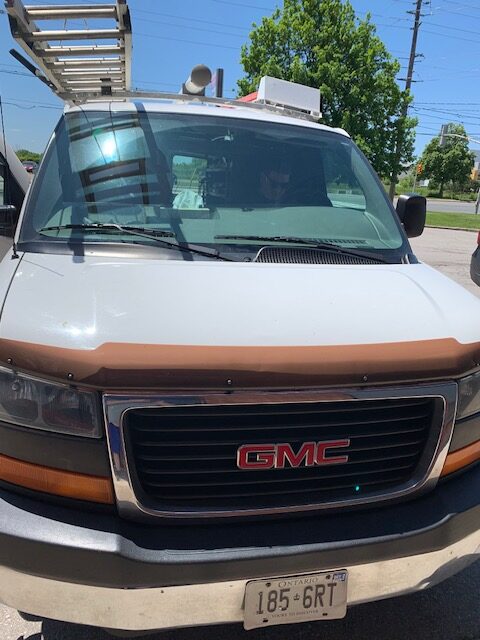
Commercial Electricians in Etobicoke: Expert Solutions for Business Power Needs
One faulty wire can shut down an entire commercial building, void your insurance, and cost thousands in lost revenue. Etobicoke property owners: here's what the Ontario Electrical Safety Code demands before disaster strikes.
Key Takeaways
- Businesses in Etobicoke rely on licensed, ESA-certified commercial electricians to keep operations running safely and avoid costly downtime.
- The Ontario Electrical Safety Code applies to new construction, renovations, retrofits, and routine maintenance, and most commercial electrical work requires an electrical permit and therefore triggers ESA inspections to confirm compliance.
- Non-compliant electrical systems can void insurance coverage, fail inspections, and create serious fire risks in commercial buildings.
- Older Etobicoke commercial buildings, including those in neighbourhoods like Long Branch, often need panel and wiring upgrades to handle modern power demands safely.
- Crown Electric Ltd brings more than 30 years of hands-on experience helping Etobicoke businesses stay code-compliant and operational.
Electrical downtime is more than an inconvenience for commercial property owners in Etobicoke. It can halt production lines, spoil inventory, lock out customers, and put a business's reputation on the line. Understanding why licensed, experienced electricians matter, and what the Ontario Electrical Safety Code demands, helps property owners protect both their operations and their investment.
Why Electrical Downtime Costs Businesses
A commercial building runs on far more electrical load than a typical house, so a single failure can ripple through an entire operation. Retail stores lose sales the moment the lights go dark or the point-of-sale system drops offline. Warehouses risk spoiled goods when refrigeration units stop cooling, and offices lose productive hours every time computers and servers go down unexpectedly.
The financial sting goes beyond the repair bill itself. A shutdown that lasts even a few hours can mean lost revenue, unhappy tenants, and emergency contractor fees that could have been avoided with routine maintenance. For a closer look at how licensed commercial teams approach these risks in Etobicoke specifically, Crown Electric Ltd offers practical guidance built from decades of hands-on commercial and industrial work in the region.
Property managers who treat electrical maintenance as a strategic priority, rather than an afterthought, tend to avoid the worst outcomes. Scheduled inspections, timely panel upgrades, and quick response to warning signs like flickering lights or tripped breakers all reduce the odds of an expensive, disruptive failure.
ESA Compliance Isn't Optional
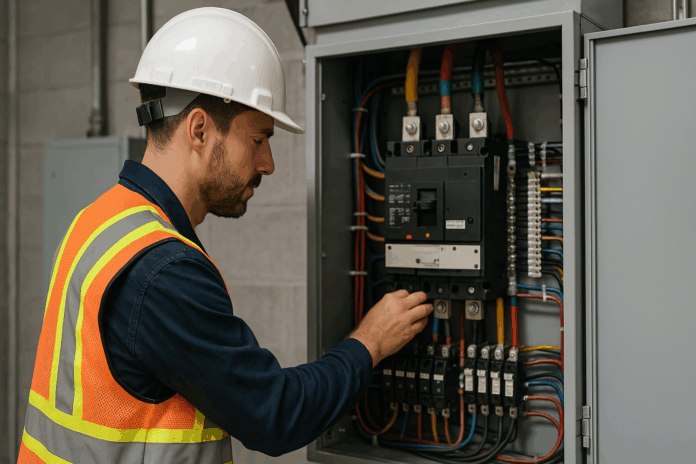
Every electrical installation, renovation, and repair in Ontario answers to one authority: the Electrical Safety Authority. The ESA is a not-for-profit organization mandated by the Government of Ontario to enforce the Ontario Electrical Safety Code and improve safety outcomes across the province, and it takes that mandate seriously for commercial and industrial properties alike.
What the Ontario Electrical Safety Code Requires
The Ontario Electrical Safety Code sets the minimum safety standard for all electrical work in the province, and it applies broadly. New construction, renovations, retrofits, and even routine maintenance all fall under its scope. Most commercial electrical work requires an electrical permit and therefore triggers ESA inspections to confirm compliance with the Ontario Electrical Safety Code. Property owners and managers must ensure all electrical work on their property meets the Ontario Electrical Safety Code, including filing notifications with ESA before or within 48 hours of the electrical work starting.
Risks of Non-Compliant Systems
Skipping proper permits or hiring unlicensed labour rarely saves money in the long run. Systems that fall short of code create several overlapping risks:
- Failed inspections that delay occupancy permits or business openings
- Denied insurance claims after a fire, flood, or equipment failure
- Business interruptions caused by preventable faults
- Safety hazards for employees, customers, and visitors on the property
A building that meets current ESA codes and Ontario electrical standards protects the owner from legal exposure if something does go wrong, and it makes future renovations or expansions far less complicated.
Why Licensing Matters More Commercially
Commercial electrical systems answer to a higher standard than residential wiring, largely because of the heavier loads, more complex equipment, and greater consequences when something fails. A licensed commercial electrician understands how to design and maintain systems that hold up under that pressure, a different skill set than wiring a single-family home.
Preventing Fires and Equipment Damage
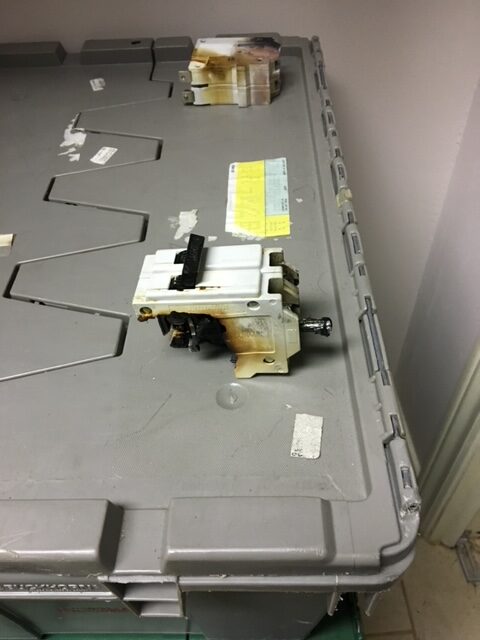
Faulty wiring is one of the common causes of commercial fires. Poorly installed systems can overheat, spark, and ignite nearby materials without warning. Electricians trained specifically for commercial work understand how to prevent overheating, arcing, and voltage instability, protecting employees, customers, and the physical building itself. This kind of expertise becomes especially important in properties running heavy equipment, multiple HVAC units, or specialized machinery around the clock.
Protecting Insurance Coverage
Insurance providers frequently require proof that electrical work meets ESA and CSA standards before they will honour a claim. A non-compliant installation, even one that seems to be working fine day to day, could void coverage entirely if a fire or equipment failure occurs. Working with a Licensed Electrical Contractor, one certified by the ESA and accountable for the quality of its installations, gives property owners the paper trail insurers expect to see.

Core Commercial Electrical Services
Commercial properties need a wider range of ongoing electrical support than most owners initially expect, and the scope tends to grow as a building ages or a business expands.
Panel Installs and Upgrades
An electrical panel that was adequate decades ago often can't keep pace with modern power demands. A property still running on 60-amp service, for example, falls well short of the 200-amp standard many commercial spaces need today, with commercial electrical panels often operating at 200, 400, 600 amps, or more. Upgrading the panel does more than prevent nuisance trips and overheating; it can also increase a property's resale value by signalling to future buyers or tenants that the electrical infrastructure is current and dependable.
Wiring for New Builds and Renovations
New construction wiring involves far more than running cable from point A to point B. It includes service feeders, panel feeders, branch circuit wiring, conduit systems, cable pathways, equipment rough-ins, junction boxes, grounding and bonding, distribution connections, lighting circuits, emergency systems, and dedicated circuits for mechanical and building equipment. Careful planning at this stage matters enormously, because mistakes in routing, sizing, or equipment placement become far more expensive to fix once walls are closed and the building nears occupancy.
Lighting Retrofits for Efficiency
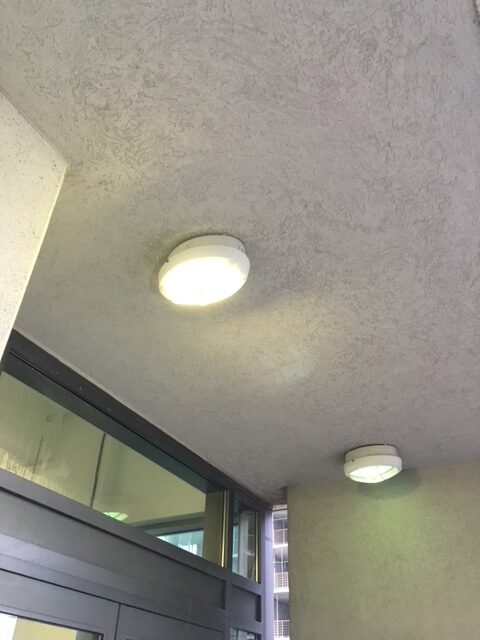
Lighting retrofits swap out older technology for modern LED systems, which lowers both energy consumption and long-term maintenance costs. Commercial electricians can also recommend energy-efficient solutions like updated HVAC controls that reduce overall power draw. These upgrades tend to pay for themselves over time through lower utility bills, while also improving light quality for staff and customers.
Handling Older Etobicoke Buildings
Etobicoke's older commercial buildings, including many in neighbourhoods like Long Branch, often carry wiring systems that were never designed for today's power demands. The result shows up as frequent power trips, overheating outlets, or wiring that poses a genuine fire hazard when pushed past its original design limits.
Retrofitting these older systems calls for a careful assessment before any work begins. A qualified electrician evaluates the current setup, identifies where the existing infrastructure falls short, and recommends solutions that bring the building up to modern reliability standards without unnecessary disruption to tenants or daily operations. Businesses operating out of heritage or older commercial spaces benefit from treating this kind of assessment as a proactive step rather than waiting for a failure to force the issue.
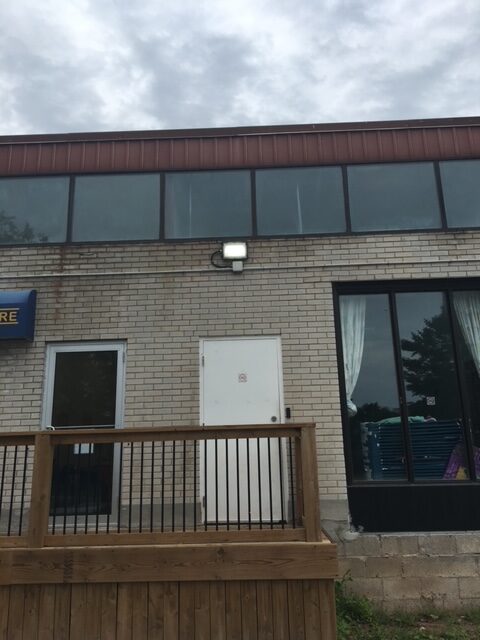

Emergency Response When Power Fails
Power failures rarely arrive at a convenient time, and commercial properties can't simply close up shop and wait for business hours to resume. Emergency electrical response matters because it prevents a bad situation from becoming a worse one: unresolved faults left overnight can lead to further equipment damage, safety hazards, or extended closures.
Emergency preparedness also extends to legally required safety systems. Commercial buildings need functioning exit signs, emergency lighting, and battery backup or generator systems that meet required illumination levels, since these systems protect occupants during an outage and are typically mandated by codes such as NFPA 101, OSHA regulations, and the International Building Code (IBC), rather than optional extras. Property owners who confirm these systems are tested and functional avoid unpleasant surprises during an actual emergency, when there's no time to identify a dead battery backup.
Reliable Electrical Systems Protect Business Value
A commercial property's electrical system forms the foundation for everything else happening inside it, from daily operations to long-term resale value. Buildings with modern, code-compliant wiring attract better tenants, pass inspections without drama, and avoid the kind of surprise repair bills that eat into profit margins. Owners who invest in regular maintenance, timely upgrades, and licensed expertise are effectively protecting an asset, not simply fixing a wire here and there.
Businesses that treat electrical reliability as core infrastructure, rather than a line item to defer, tend to weather growth, renovations, and unexpected demand far more smoothly than those that wait for a failure to force their hand. For property owners ready to take that proactive step, working with licensed commercial electricians in Etobicoke is a practical starting point for keeping a building's systems safe, compliant, and built to last.

Frequently Asked Questions
1. What commercial electrical services does Crown Electric Ltd. provide in Etobicoke?
Crown Electric Ltd. offers a wide range of commercial electrical services in Etobicoke, including lighting system upgrades, panel installations, equipment wiring, backup generator setup, EV charger installation, and electrical safety inspections.
2. Do you work on older or heritage commercial buildings in Etobicoke?
Yes—our team specializes in upgrading and retrofitting electrical systems in older or heritage commercial buildings. We ensure code compliance while preserving the building’s character and unique features.
3. Are emergency services available for commercial clients?
Absolutely. Our Etobicoke commercial clients receive priority emergency service for issues like power failures, faulty wiring, or safety faults to help minimize business downtime.
4. How do you ensure electrical compliance and safety?
Crown Electric Ltd. conducts ESA-approved inspections, maintenance checks, and code-compliant upgrades to guarantee all commercial electrical systems in Etobicoke meet Ontario’s Electrical Safety Authority regulations and industry standards.
5. How can I request a commercial electrical consultation in Etobicoke?
Call Crown Electric Ltd. at 905‑847‑2804 or email us to schedule an on-site consultation in Etobicoke. We’ll review your business needs, discuss solutions, and provide a detailed, no-obligation estimate.