

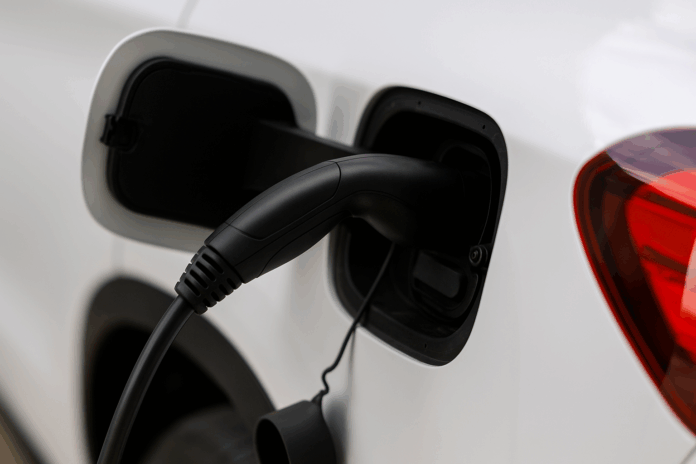
EV Charger Installation in Etobicoke: A Complete Guide to Powering Your Electric Vehicle at Home
Thinking about charging your EV at home in Etobicoke? One number could change your budget entirely: overnight electricity can cost as little as 3.9 cents per kilowatt-hour. Here's what permits, panels, and pricing actually involve.
Key Takeaways
- Home charging is the go-to choice for most EV owners because it costs less and fits into everyday routines better than public stations
- Level 2 chargers, which run on a 240-volt outlet similar to a stove or dryer, are the practical standard for most Etobicoke homes
- Installing new outlets or charging equipment, or upgrading a panel, for an EV charger in Ontario needs a permit filed with the Electrical Safety Authority and must be completed by a licensed electrical contractor
- Curious what the inspection-to-sign-off process actually looks like? The steps are laid out further down
- Residential installation costs typically fall between $900 and $2,500, depending on panel distance and whether an upgrade is needed
Electric vehicles are becoming a familiar sight on Etobicoke streets, and with that shift comes a practical question: how does charging actually work at home? A properly installed home charger turns a multi-hour public charging trip into an overnight routine, and understanding the process ahead of time saves both money and hassle.
Why Home Charging Wins
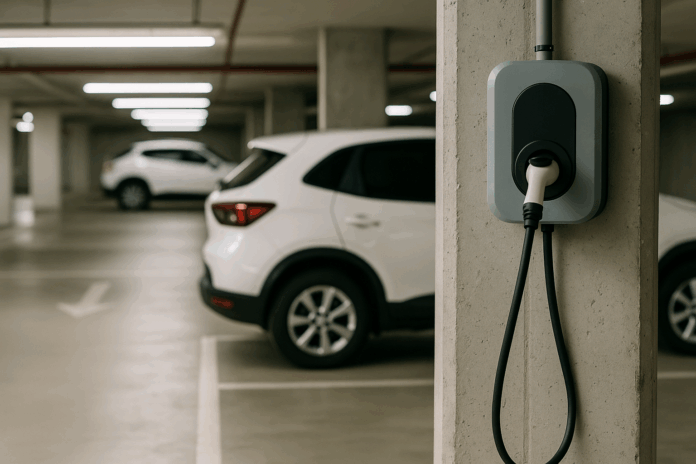
Charging at home puts the driver in complete control of when and how a vehicle gets powered up. Rather than hunting for an open public station or timing a trip around charging stops, a home setup means the car is ready every morning with a full battery. It's also a safer option than running an extension cord to a standard wall outlet, since a dedicated circuit is built to handle the sustained load an EV demands.
Charging at home during off-peak hours in Ontario can cost as little as 3.9 cents per kilowatt-hour, making overnight charging far cheaper than relying on public stations. Public Level 2 charging typically runs two to four times more expensive than plugging in at home, while public DC fast charging can run three to six times more expensive, a gap that adds up quickly for anyone driving daily.
There's a longer-term upside, too. A home already wired for EV charging tends to appeal more to buyers who drive electric or plan to, which can make the property more attractive when it's time to sell. For homeowners weighing whether the investment makes sense, Crown Electric Ltd's guidance on residential and commercial electrical work in Etobicoke provides a useful starting point for understanding what a home's electrical system can support.
Picking Your Charger Type
Not every EV charger works the same way, and choosing the right one depends on driving habits, vehicle type, and how much charging speed actually matters day to day.
Level 1: Slow and Simple
Level 1 charging uses a standard 120-volt outlet, the same kind found throughout most homes. It adds about 5 to 8 km of range per hour, which sounds modest because it is. This option works best for plug-in hybrid vehicles with smaller batteries or for drivers who put very few kilometres on their odometer each day. Anyone driving a longer commute will likely find Level 1 too slow to keep up with regular use.
Level 2: The Home Standard
Level 2 charging is where most Etobicoke homeowners land, and for good reason. It requires a 240-volt outlet, similar to what powers a stove or dryer, and adds roughly 35 km of range per hour. That means a depleted battery can go from empty to full overnight, making it a practical match for daily driving without any real planning required. Most residential installations centre on this charger type because it balances speed, cost, and compatibility with nearly every EV on the market today.
DC Fast Charging: Not for Homes
DC Fast Charging, sometimes called Level 3, is built for commercial locations and highway rest stops rather than driveways. The power demands are far beyond what a typical home electrical panel can supply, and the equipment cost reflects that. Homeowners researching options can safely rule this one out unless they're planning a small commercial charging setup rather than a personal one.
What Installation Actually Costs
Pricing for a home EV charger installation depends on several moving parts, and no two homes are quite the same. Distance from the electrical panel to the charger location plays a major role, since longer wiring runs mean more materials and labour. A garage sitting right next to the panel is a much simpler job than a detached structure across the yard.
Residential EV charging installation in Etobicoke typically ranges from $900 to $2,500, covering the charger unit, labour, and standard permit fees. Homes with older panels may need an upgrade first, which adds to the project scope while future-proofing the electrical system for other appliances down the road. A written, itemized quote before work begins helps avoid surprises and makes it easier to compare contractors fairly.
- Type of charger selected (Level 1 versus Level 2)
- Distance from the panel to the install location
- Whether the panel needs upgrading to handle the added load
- Permit and inspection fees required by the municipality
Some homeowners may also qualify for rebates or incentives that offset part of the cost, so it's worth asking a contractor what's currently available before finalizing a budget.
Permits, ESA Rules and Compliance
In Ontario, installing new outlets or charging equipment, or upgrading an electrical panel, for an EV charger requires a permit filed with the Electrical Safety Authority before work begins; simply plugging into an existing outlet doesn't require this step. This step, sometimes called a notification of work, triggers a formal review process meant to confirm the installation meets the Ontario Electrical Safety Code from the start.
Only a licensed electrical contractor is authorized to carry out this kind of work in Ontario. That licensing requirement exists for good reason: EV chargers draw a significant, continuous electrical load, and mistakes in wiring or breaker sizing can create real fire hazards. Skipping the permit process or hiring unlicensed help can lead to fines, and it can also void an insurance claim if something goes wrong with the electrical system later. Beyond the paperwork, the charging equipment itself must display a certification mark on its nameplate from an accredited certification or evaluation agency, confirming approval before the equipment can be used, sold, displayed, or advertised for sale in Ontario.
From Inspection to ESA Sign-Off
Getting from wanting a charger to actually charging a car follows a fairly predictable sequence, even though every home's wiring is a little different.
- A contractor inspects the home's existing electrical panel and wiring to determine capacity.
- Based on that inspection, the right charger type gets recommended for the vehicle and the panel's capabilities.
- The contractor pulls the required permit and files it with the Electrical Safety Authority.
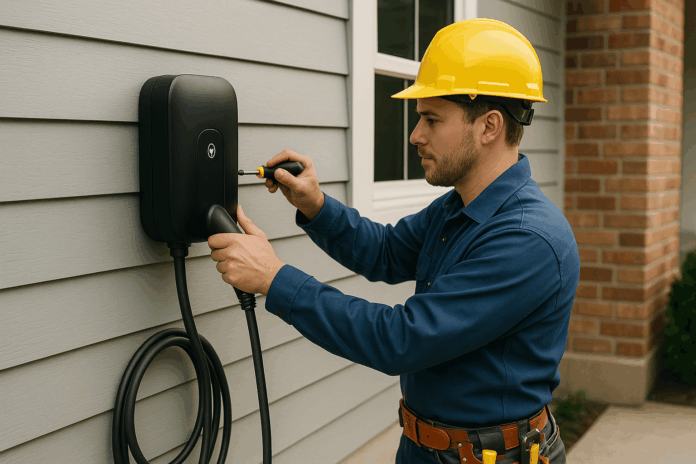
- Installation takes place, including running any new wiring and mounting the charging unit.
- The finished system is tested to confirm it works safely and as intended, and final paperwork is filed with the ESA so the homeowner receives a Certificate of Acceptance confirming the work meets code.
That certificate matters more than it might seem. It's the official record proving the installation was inspected and approved, which can matter for insurance purposes or when selling the home later.

Where a Charger Can Go
Not every home has a garage, and not every EV owner lives in a detached house, so charger placement varies quite a bit across Etobicoke.
Garages and Driveways
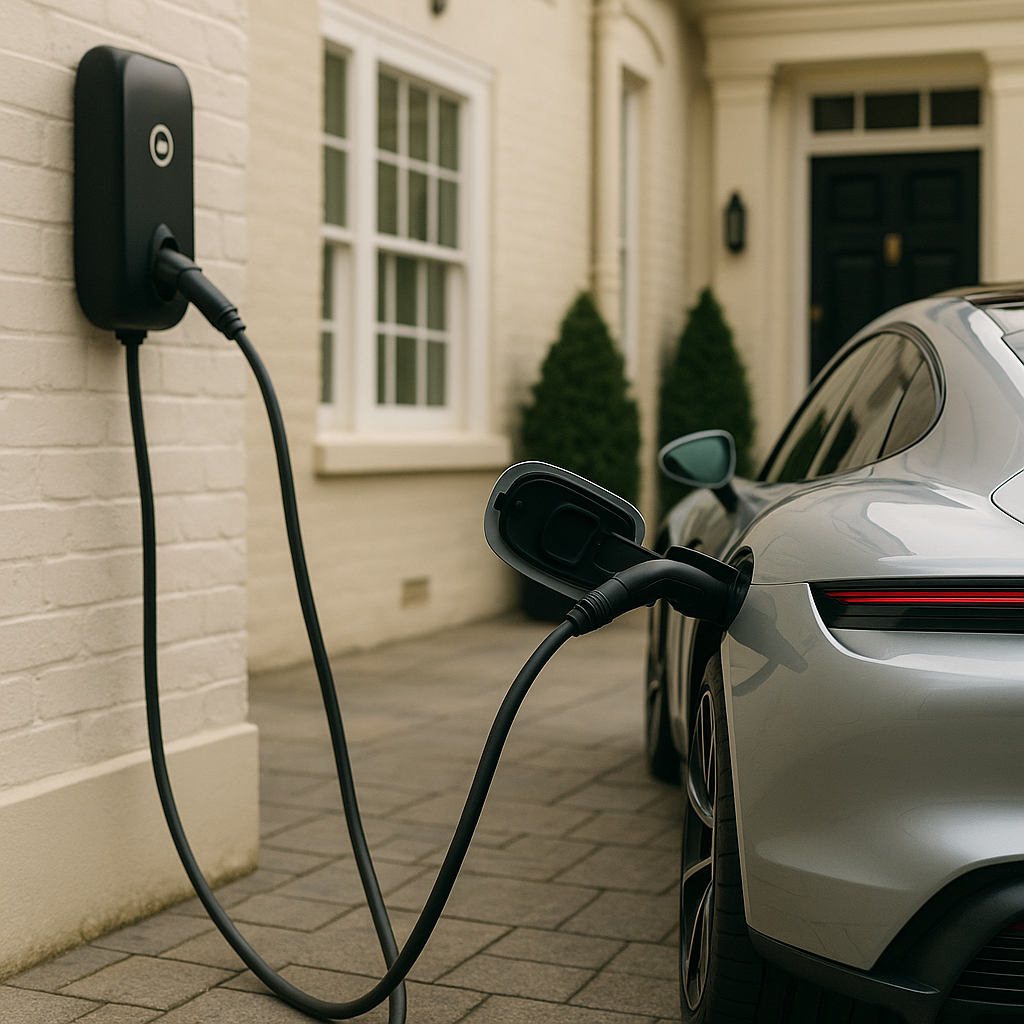
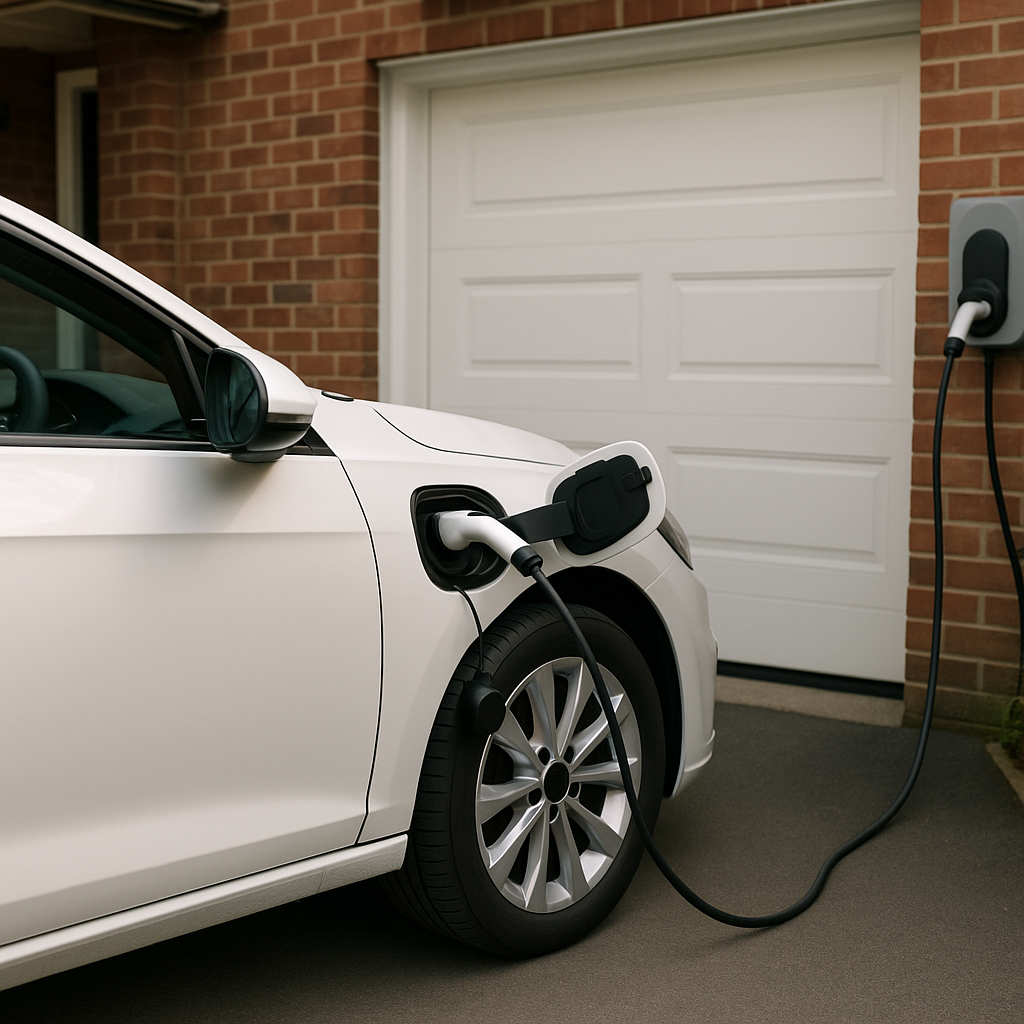
Attached garages tend to be the simplest install location since they're usually close to the main panel, keeping wiring runs short and costs down. Driveways work well too, particularly for homes without a garage, though the charger and any exterior wiring need weatherproof housing to handle Ontario's seasonal extremes. Either setup lets drivers park in the same spot every night and plug in without a second thought.
Townhomes and Multi-Unit Buildings
Townhome parking pads and multi-unit residential buildings add a layer of coordination that detached homes don't usually face. Shared electrical infrastructure often means property management needs to sign off before any work begins, and in some buildings, multiple units may eventually want charging access. Systems designed for shared garages can support several charging stations on one property, which is worth discussing early with a building's management if a condo or townhome complex is involved.
Vetting a Licensed Contractor
Choosing who does this work matters just as much as choosing the charger itself, since a rushed or unlicensed job can create safety risks and coverage gaps down the line.
Certification and Local Experience
ESA certification is non-negotiable for any electrician doing this kind of work in Ontario. Beyond that baseline, experience specifically with EV charger installations, rather than general electrical work alone, tends to produce a smoother process. A contractor familiar with Etobicoke's housing stock and permitting process will usually spot potential complications, like an outdated panel, before they turn into costly surprises mid-project.
Pricing Transparency and Reviews
A trustworthy contractor provides a clear, written quote upfront rather than vague estimates that shift once the job starts. Customer reviews offer a useful window into how a company handles communication, timelines, and unexpected issues. Local service matters too, since a contractor based nearby can typically respond faster for follow-up questions or warranty concerns. Crown Electric Ltd, a family-owned electrical contractor that has served Etobicoke, Oakville, Mississauga, and Burlington since 1991, is one example of a locally established option homeowners can look to when comparing contractors on these criteria.
Home Charging Is Now Essential
Electric vehicles are no longer a niche choice, and the charging setup that supports them at home has shifted from a nice extra to a practical necessity. A correctly installed, code-compliant charger keeps daily driving simple, protects the home's electrical system, and adds a layer of value that today's buyers increasingly notice. Getting there means understanding charger types, budgeting realistically, and working with someone licensed to manage ESA requirements from permit to sign-off.
For homeowners ready to take the next step, working with a qualified licensed electrician in Etobicoke is the clearest path to a safe, properly permitted charging setup that's ready the moment a new EV pulls into the driveway.
Frequently Asked Questions
1. What types of EV chargers does Crown Electric Ltd. install in Etobicoke?
We install Level 1 (120 V), Level 2 (240 V), and commercial DC Fast Chargers (Level 3) throughout Etobicoke. Level 2 units are ideal for homes and small businesses, providing a full charge overnight.
2. What is included in your EV charger installation process?
Our process includes a site consultation, panel capacity assessment, permit submission, ESA approval, equipment installation, and final safety testing to ensure full compliance with Ontario electrical code.
3. Can Crown Electric Ltd. install EV chargers for commercial properties in Etobicoke?
Yes! We install multi-unit and networked Level 2 chargers as well as DC Fast (Level 3) charging stations for workplaces, retail locations, and fleets in Etobicoke.
4. How much does EV charger installation cost in Etobicoke?
Installation costs vary based on panel location, required permits, and charger type. A typical home Level 2 charger setup ranges from $2,000 to $2,500 inclusive, while commercial systems are priced according to size and scope.
5. Why choose Crown Electric Ltd. for EV charger installation in Etobicoke?
We’re a local, licensed, and insured team with over 30 years of experience. We manage panel upgrades, code compliance, ESA permits, and provide post-installation support—ensuring a smooth, safe, and reliable charging setup.