

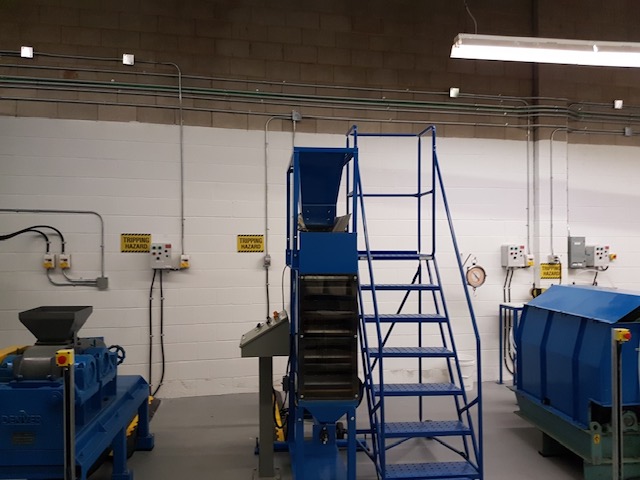
Industrial Electricians in Etobicoke: Reliable Power for High-Demand Facilities
Your facility's electrical system could be one overloaded circuit away from a costly shutdown. Learn the warning signs, compliance risks, and maintenance strategy that cuts emergency repair costs by up to 75 percent.
Key Takeaways
- Industrial facilities need specialized electrical expertise, including high-voltage wiring, three-phase power, motor controls, and backup generators, to keep operations running safely and productively
- Crown Electric Ltd has worked on industrial projects across the Etobicoke region for over 30 years
- Preventative maintenance can significantly cut long-term repair costs and downtime, backed by specific industry figures
- Skipping professional repairs in favour of DIY fixes can lead to equipment damage, fire hazards, code violations, and voided insurance coverage
- Staying compliant with the Electrical Safety Authority and the Ontario Electrical Safety Code protects a facility from fines, stop-work orders, and serious safety risks
Industrial facilities run on power in ways that go far beyond flipping a switch. Manufacturing plants, warehouses, and processing centres across Etobicoke depend on electrical systems that can handle constant, heavy-duty demand without faltering. When something goes wrong, the cost isn't just inconvenience - lost production, safety risk, and potential code violations follow close behind. Crown Electric Ltd has spent decades working alongside facility managers in the region, offering a grounded perspective on what keeps industrial power systems running the way they should.
Why Industrial Power Systems Are Different
Residential and commercial buildings draw power for lighting, appliances, and general equipment. Industrial facilities are a different animal entirely. They run heavy machinery, automated production lines, and specialized equipment that all pull power simultaneously, often around the clock. This creates a load profile that residential wiring or standard commercial panels simply weren't built to handle.
Because of this, industrial electrical systems need to be engineered with higher capacity, tighter tolerances, and more redundancy built in. A single overloaded circuit in a warehouse doesn't just trip a breaker - it can shut down an entire production line, damage sensitive equipment, or create a genuine fire hazard. Understanding this difference is the first step toward protecting a facility's operations and its people.
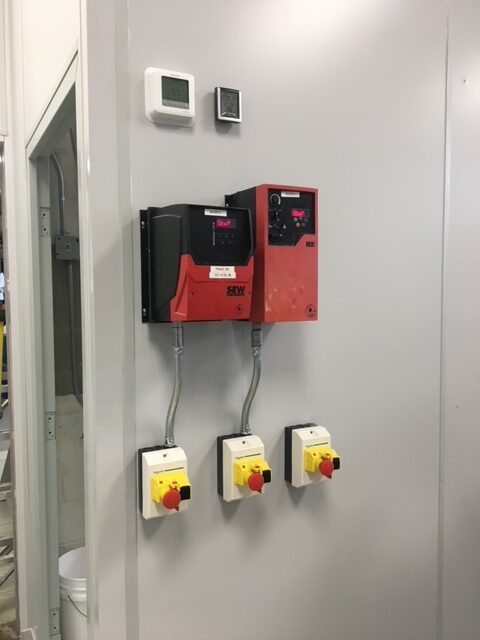

Specialized Expertise Your Facility Needs
Industrial environments call for electrical knowledge that goes well beyond general wiring skills. From managing extreme loads to keeping automated systems synced, the expertise required touches nearly every part of a facility's operations.
High-Voltage Wiring and Panel Upgrades
Older facilities often run on panels and wiring that were installed decades ago, long before current production demands existed. As equipment gets added or upgraded, those original systems can become dangerously overloaded. High-voltage wiring solutions and panel upgrades allow a facility to safely scale up its power capacity, whether that means supporting new machinery, expanding a production floor, or preparing for future growth.
Panel installations and upgrades also improve load balancing across a facility, which reduces strain on individual circuits. This work is foundational, determining whether the rest of a facility's electrical system can perform reliably.
Three-Phase Power and Motor Controls
Three-phase power is the backbone of most industrial operations because it delivers steady, dependable energy to heavy machinery like conveyors, pumps, fans, and compressors. Compared to single-phase power, three-phase systems handle large, continuous loads more efficiently and hold up better against outages, making them the standard choice for facilities that can't afford unpredictable downtime.
Motor control systems work hand in hand with three-phase power, governing how machinery starts, stops, accelerates, and decelerates. Well-designed motor controls and automation systems, including programmable logic controllers (PLCs) and variable frequency drives (VFDs), streamline production while also improving on-site safety by preventing sudden, uncontrolled equipment behaviour.
Backup Generators and Surge Protection
A power outage at an industrial facility can bring an entire operation to a halt within seconds. Standby generators are built to prevent that scenario - they connect directly to a facility's main electrical panel and fuel supply, automatically detecting outages and switching on within moments to keep critical systems running. For large-scale operations, industrial-grade generators are designed to deliver high-capacity power for extended periods, serving as a permanent power solution rather than a temporary bridge until utility power returns.
Surge protection deserves equal attention. Power surges can silently damage sensitive equipment over time, leading to costly failures down the road. Surge Protection Devices (SPDs) absorb and dissipate excess voltage before it reaches machinery, and industrial-grade units are built more solidly than standard surge protectors to handle the voltage spikes common in factory settings.
Warning Signs You Need an Electrician
Most electrical failures don't happen without warning. Facilities that pay attention to early signs can often avoid a full system failure. Common red flags include:
- Unexplained equipment shutdowns during normal operation
- Buzzing sounds or noticeable heat coming from electrical panels
- Breakers that trip frequently, especially during peak production hours
- Circuits that overload when multiple machines run at once
- Machinery that doesn't receive adequate, consistent power
- Wiring or panels that are visibly outdated or haven't been inspected in years
Any one of these signs is worth a call to a licensed electrician. Together, they often point to a system that's being pushed past its safe limits.
Risks of Skipping Professional Repairs
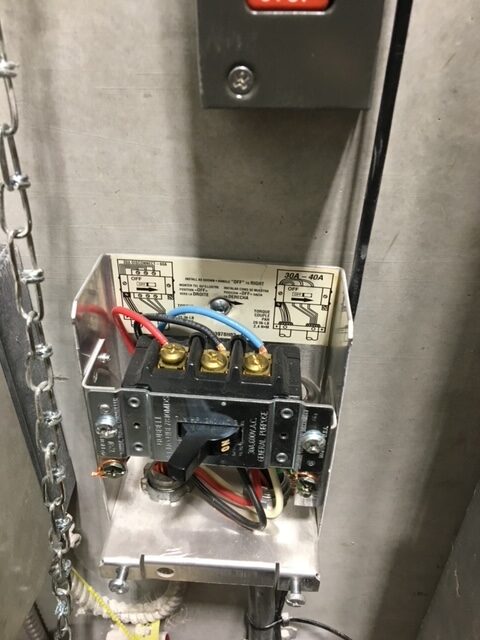
It can be tempting for in-house maintenance staff to handle an electrical issue quickly rather than wait for a specialist. That shortcut carries real risk. DIY repairs or modifications on industrial electrical systems can lead to equipment damage that ripples through an entire production line, along with fire hazards that put both workers and the facility itself in danger.
Beyond the physical risks, unlicensed work can also trigger code violations under the Ontario Electrical Safety Code, which can result in fines or stop-work orders. Many commercial insurance policies also require that electrical work be performed by licensed professionals - a DIY repair gone wrong can void that coverage entirely, leaving a facility exposed to the full cost of damage or injury. A professional inspection at the first sign of trouble is almost always the more affordable path in the long run.
Staying Compliant with ESA and OESC
Ontario's electrical safety framework exists for good reason. The Electrical Safety Authority (ESA) is the province's independent body responsible for enforcing safety laws and reducing the risk of electrical injuries, fires, and fatalities. The standards it enforces come from the Ontario Electrical Safety Code (OESC), which governs how electrical work is designed, installed, and inspected across Ontario.
For industrial facilities, compliance isn't optional. Most electrical work triggers a permit requirement and an ESA inspection to confirm the work meets code. Non-compliance can lead to fines, stop-work orders, or, in serious incidents, criminal charges. Every licensed electrical contractor in Ontario must also designate a Master Electrician, which builds accountability into every project and ensures the work is supervised by someone with deep knowledge of the code and current safety requirements.
How Preventative Maintenance Cuts Costs
Preventative maintenance often gets treated as an optional expense, but the numbers tell a different story. Studies of electrical preventative maintenance programs have found reductions in emergency repair costs of as much as 75 percent, alongside equipment lifespan extensions of 30 to 50 percent. That's a meaningful difference for facilities running expensive machinery around the clock.
The reasoning behind those numbers is straightforward. Preventative maintenance identifies worn-out components, faulty wiring, or developing hazards before they cause a full system breakdown, which reduces the chance of unplanned downtime. Emergency repairs, by contrast, tend to cost several times more than planned maintenance once overtime labour, expedited parts, and lost production are factored in. Unplanned downtime across the manufacturing sector can carry a steep hourly cost, and certain industries face especially severe losses when a line goes dark - figures that put routine inspections and testing into sharp perspective.
Reliable Power Protects Productivity and Safety
At the end of the day, an industrial facility's electrical system is only as strong as its weakest connection. Reliable power keeps the lights on while also protecting workers from hazards, keeping production schedules on track, and shielding expensive equipment from premature failure. Facility managers who treat electrical infrastructure as a standing priority, rather than an afterthought, tend to see fewer surprises and lower long-term costs.
Etobicoke's industrial sector continues to grow, and with that growth comes more pressure on ageing electrical systems that weren't designed for today's demands. Crown Electric Ltd has worked on industrial projects across the region for more than 30 years, giving it a close-up view of how these systems age and fail over time. Investing in specialized expertise, staying ahead of warning signs, and keeping up with ESA and OESC requirements are the pillars that keep a facility running safely and efficiently for years to come. For facilities ready to take a closer look at their electrical infrastructure, scheduling a professional industrial electrical inspection is a practical first step toward long-term reliability.

Frequently Asked Questions
1. What industrial electrical services does Crown Electric Ltd. offer in Etobicoke?
Crown Electric Ltd. provides a wide range of industrial electrical services in Etobicoke, including power distribution systems, motor control center installations, PLC programming, machine wiring, and full-system upgrades.
2. How quickly can your team respond to an industrial electrical emergency in Etobicoke?
We offer rapid response for industrial electrical emergencies. Our Etobicoke team is available and typically arrives on-site within 1 to 3 days to diagnose and resolve urgent issues.
3. Do you perform safety inspections and maintenance for industrial facilities?
Yes. We conduct comprehensive ESA-approved safety inspections, preventative maintenance, and code-compliant repairs to ensure industrial facilities in Etobicoke remain safe and operational.
4. What experience do you have with industrial control systems?
Our team has decades of experience installing, programming, and servicing PLCs, VFDs, motor starters, and other automation systems in Etobicoke’s industrial plants and facilities.
5. How can I get a quote for industrial electrical work in Etobicoke?
Call Crown Electric Ltd. at 905‑847‑2804 or email us to request an on-site consultation in Etobicoke. We’ll assess your industrial electrical needs and provide a detailed, no-obligation estimate.