

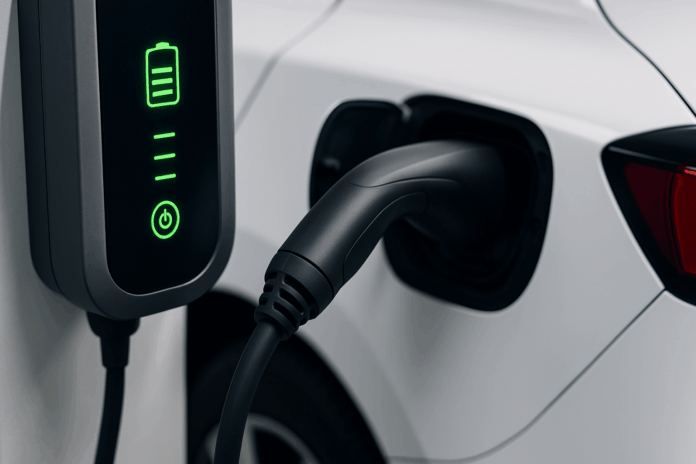
EV Charger Installation Mississauga: Your Guide to Fast, Safe, and Reliable Charging
Thinking about installing an EV charger at home in Mississauga? One wrong wiring decision could void your insurance or spark a hidden fire hazard - here's what every homeowner needs to know before hiring anyone.
Key Takeaways
- Level 2 chargers, which need a 240-volt outlet and charge most EVs in 4 to 8 hours, are the standard choice for Mississauga homeowners.
- Ontario law requires anyone running an electrical contracting business to be licensed by the Electrical Safety Authority, and an electrical permit from the Electrical Safety Authority is mandatory before any EV charger installation begins.
- Installation costs depend on panel capacity and wiring distance between the panel and the charger location.
- Charging at home, particularly during off-peak hours, generally costs less than relying on public charging stations, and public charging networks typically charge 3-5 times the cost of charging at home.
- Once the installation is complete, the contractor should provide an ESA Certificate of Acceptance, which is important for insurance and resale purposes.
Electric vehicles are becoming a common sight in driveways across Mississauga, and with that shift comes a practical question: how does a homeowner actually get a charger installed safely and legally? The answer involves more than picking a charger off a shelf and plugging it in. It touches on electrical capacity, municipal and provincial rules, and the kind of wiring work that carries real safety consequences if it goes wrong.
Understanding the charger types available, what a proper installation involves, and why licensing matters can save homeowners from costly mistakes down the road. Crown Electric Ltd has spent years installing charging equipment across the region and provides a useful look at what separates a smooth installation from a problematic one. This piece walks through the process, from choosing a charger level to understanding what drives the final bill.
Why Mississauga EV Owners Need Licensed Installers
Installing an EV charger is not a weekend project for most homeowners, even those comfortable with basic home repairs. The circuit involved carries significantly more current than a typical household outlet, and a mistake in wiring, grounding, or breaker sizing can create a fire hazard that stays hidden until it causes real damage. Ontario law requires anyone running an electrical contracting business to hold licensing from the province's Electrical Safety Authority, a rule meant to keep unqualified work out of homes and businesses.
This licensing requirement exists because electrical work has consequences that go beyond inconvenience. A Licensed Electrical Contractor carries the insurance, training, and accountability needed to handle permits correctly and make sure the finished job meets Ontario's electrical code. Homeowners who skip this step by hiring an unlicensed installer, or attempting the wiring themselves without the right permits, risk more than a failed inspection. They risk voiding their home insurance, damaging their electrical panel, or creating a hazard that surfaces only after months of use.
Level 1, 2, or 3: Which Fits You?
Not every EV charger suits every household, and matching the right level to actual driving habits makes a real difference in daily convenience. The three levels differ enormously in speed, cost, and where they belong.
Level 1: Slow but Simple
Level 1 charging uses a standard 120-volt household outlet, the same kind used for a lamp or toaster. It is the slowest option available, adding approximately 8 kilometers of range per hour, which means a full charge can stretch past 12 hours depending on the battery size. This level works well for plug-in hybrid owners or drivers who cover short distances and have plenty of overnight time to top up.
Level 2: The Home Standard
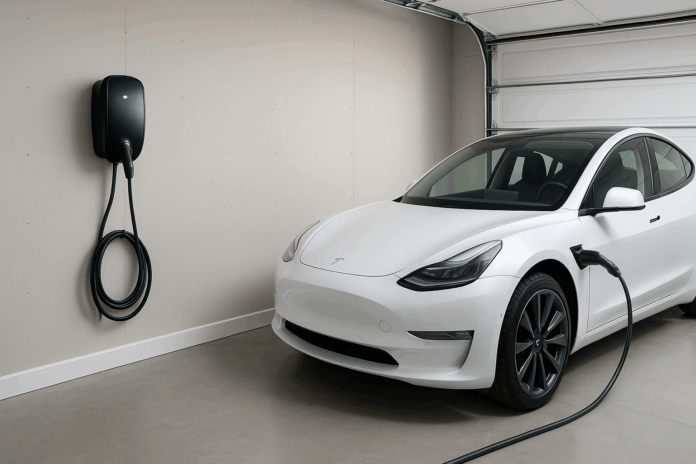
Level 2 charging runs on a 240-volt outlet, similar to what a clothes dryer or electric stove uses, and it charges most EVs fully within 4 to 8 hours. This is the option most Mississauga homeowners choose, since it balances speed with a manageable installation scope.
Level 3: Commercial-Only Power
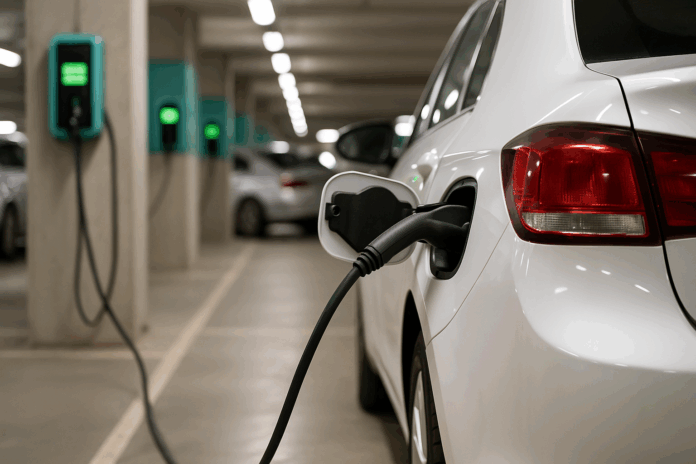
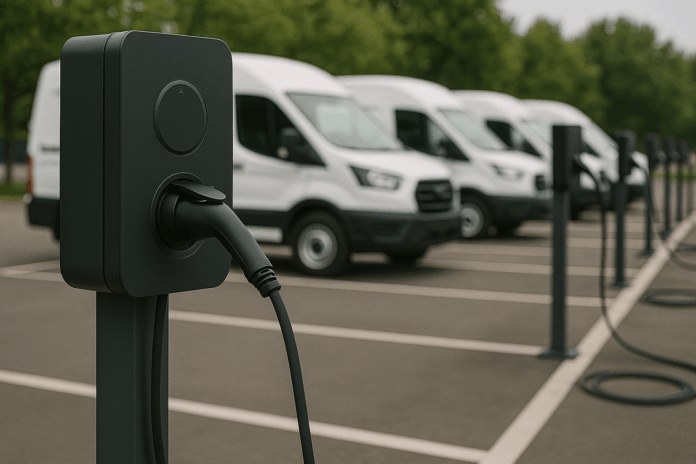
Level 3 DC Fast Chargers can bring a battery to full charge in under an hour, but the power demands involved make them unsuitable for a typical home electrical system. These units belong in commercial and industrial settings, such as retail parking lots or fleet depots, where the infrastructure can support the load. Homeowners considering their options can safely rule this level out unless they are planning a business installation.
Inside the Installation Process
A proper EV charger installation follows a sequence designed to catch problems before they become expensive. Skipping steps or rushing through them is where most installation issues start.
The general process looks like this:
- A site assessment and consultation to evaluate the garage or driveway layout and discuss charging needs
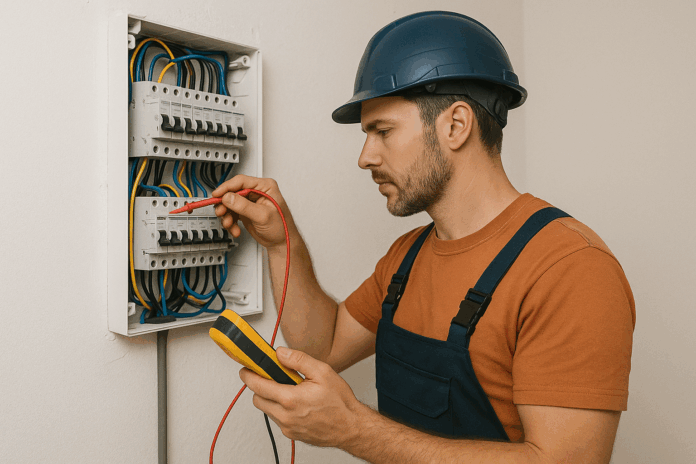
- An inspection of the electrical panel to confirm there is enough available capacity for a new dedicated circuit
- Permitting and ESA approval, secured before any wiring work begins
- Installation of either a 240V outlet or a hardwired charging station, depending on the equipment chosen
- Final testing to confirm safe, proper operation before the charger goes into regular use
Older homes often need extra attention during the panel inspection stage, since aging electrical systems may not have the spare capacity a new EV circuit requires. In these cases, a panel upgrade might be necessary before the charger installation can proceed, adding a step to the timeline but making sure the whole system can handle the added load safely.
Permits, ESA Approval and Licensing Rules
Permits are not optional paperwork in Mississauga. An electrical permit from the Electrical Safety Authority is mandatory before any EV charger installation begins, and a Licensed Electrical Contractor typically handles securing that permit as part of the job. This step protects homeowners through ensuring an independent body reviews the work against Ontario's electrical safety code rather than relying solely on the installer's own judgment.
Once the installation is complete, the contractor should provide an ESA Certificate of Acceptance. This document confirms the work meets safety standards and matters far beyond the day the charger gets switched on. It becomes important for insurance claims, future home sales, and any warranty disputes with the charger manufacturer. Homeowners planning to sell in the coming years should keep this certificate on file alongside other major renovation records.
Another detail worth knowing: an EV charging system must carry an official Canadian certification mark, such as CSA, cUL, or cETL, before it can legally go into service. Checking for this mark before purchasing equipment avoids a situation where an otherwise well-installed charger fails inspection simply because the unit itself lacks proper certification. It's also worth notifying a home insurance provider once a charger is installed, since some policies expect to know about major electrical additions to the property.
What Determines Your Installation Cost
Installation costs vary from home to home, and a few factors consistently drive the final number up or down. The distance between the electrical panel and the charger's planned location matters significantly, since longer wiring runs mean more materials and labour. A garage right next to the panel costs far less to wire than a detached garage or a driveway charger positioned on the opposite side of the house.
Panel capacity plays an equally large role. Homes with an older or smaller panel may need an upgrade before a new 240V circuit can be added safely, which adds to the overall project cost. Getting a written estimate after a site assessment remains the most reliable way to know what a specific home will actually cost, since layout, panel condition, and equipment choice all shift the total.

Why Home Charging Pays Off
Beyond the upfront installation cost, home charging changes the day-to-day experience of owning an EV in ways that add up over time.
Lower Costs Than Public Charging
Charging at home, particularly during off-peak hours, generally costs less than relying on public charging stations. Public charging networks typically charge 3-5 times the cost of charging at home, and over months and years of regular driving that difference becomes a meaningful savings, especially for households doing daily commutes. Public stations also come with variable pricing and occasional premium rates during high-demand periods, something a home charger simply avoids.
Convenience and Added Property Value
Plugging in overnight and waking up to a full battery removes one of the biggest sources of range anxiety for new EV owners. There is no waiting in line, no searching for an available public station, and no adjusting a daily schedule around charging stops. A home charging setup is increasingly viewed as an investment in property value and long-term energy efficiency, appealing to future buyers who already drive or plan to drive an EV themselves.
Safe, Compliant Charging Starts With the Right Electrician
Every step covered here, from choosing the right charger level to securing ESA approval, points back to one central idea: the quality of the installer determines the safety and longevity of the whole system. An improperly installed EV charger can lead to fire hazards, electrical overload, or code violations that surface only after the damage is done. According to Crown Electric Ltd, proper load calculations and code-compliant wiring are what keep a charger safe for years of daily use rather than a liability waiting to happen.
Homeowners weighing their options should look for a contractor with proven experience across all three charger levels, familiarity with Mississauga's permitting process, and a track record of ESA-approved installations. Asking direct questions about licensing, insurance, and past project experience before signing a contract remains the simplest way to avoid a costly mistake. For homeowners ready to move forward, a straightforward next step is arranging a professional EV charger installation that covers the assessment, permitting, and final testing in one coordinated process.
Frequently Asked Questions
1. What types of EV chargers does Crown Electric Ltd. install in Mississauga?
We install Level 1 (120 V), Level 2 (240 V), and commercial DC Fast Chargers (Level 3) throughout Mississauga. Level 2 is most common in homes, providing a full charge overnight.
2. What does the EV charger installation process involve?
Our process begins with a site assessment and panel capacity check. We handle permits, ESA approvals, wiring or outlet installation, and final safety testing—all according to Ontario electrical code.
3. Can Crown Electric Ltd. install EV chargers for businesses in Mississauga?
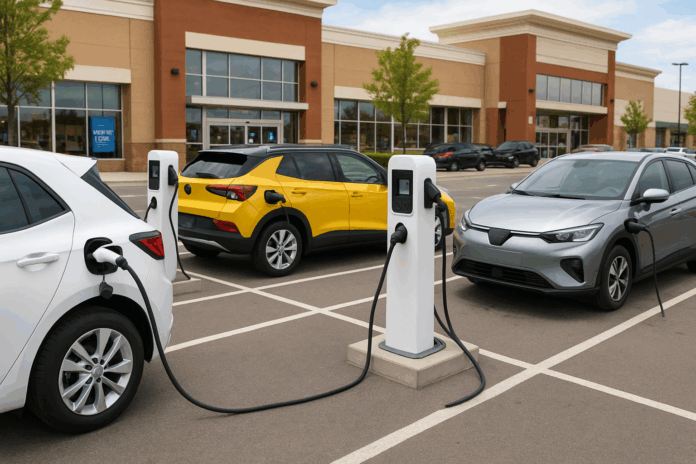
Yes, we install multi-unit and networked Level 2 chargers as well as Level 3 DC fast stations for commercial properties and workplaces across Mississauga.
4. How much does EV charger installation cost in Mississauga?
Costs vary based on panel location, permit requirements, and charger type. For a standard Level 2 charger at a home, expect total costs between $2,000 and $2,500 including installation and approvals.
5. Why choose Crown Electric Ltd. for EV charger installation in Mississauga?
We're a local, licensed, and insured team with over 30 years of experience. We ensure reliable installs with ESA compliance, quality wiring, panel evaluations, and full customer support. Click on our Mississauga Electrician Page for more information.