


Industrial Electricians in Mississauga: Trusted Power Solutions for Your Facility
A single electrical fault can freeze an entire Mississauga production line, and unplanned downtime costs the world's biggest companies $1.4 trillion yearly. What separates facilities that dodge disaster from those that don't?
Key Takeaways
- The world's 500 largest companies lose an estimated $1.4 trillion annually to unplanned downtime, per Siemens' 2024 True Cost of Downtime report, with electrical failures a leading cause of those shutdowns.
- Preventive maintenance, including panel inspections, breaker testing, grounding checks, and thermal imaging, catches small electrical problems before they cause costly outages.
- Industrial wiring involves higher voltages, automation systems like PLCs and VFDs, and stricter safety requirements than typical commercial electrical work.
- Choosing a contractor with ESA registration, association membership, and fast emergency response times helps protect a facility from prolonged outages.
- Crown Electric Ltd's Mississauga team typically arrives onsite within 24 hours to address urgent industrial electrical issues.
Manufacturing plants, warehouses, and logistics centres across Mississauga run on tight schedules, and a single electrical fault can bring an entire production line to a standstill. Facility managers who understand how industrial electrical systems fail, and how to stop that failure before it happens, protect both their equipment and their bottom line. This guide walks through what makes industrial electrical work unique, why preventive maintenance matters so much, and what to look for when hiring an industrial electrician in Mississauga who can keep operations running smoothly.
Downtime Costs Global 500 $1.4 Trillion Yearly
Unplanned downtime is one of the most expensive problems a manufacturing facility can face. The world's 500 largest companies lose an estimated $1.4 trillion annually to unplanned downtime, per Siemens' 2024 True Cost of Downtime report, a figure that reflects lost production, missed shipments, idle labour, and emergency repair costs all stacking up at once. Electrical failures are consistently named as a leading cause of these unplanned shutdowns, which means the systems powering a facility deserve the same attention as the machinery they run.
The financial sting gets worse once repairs actually begin. Unplanned maintenance activities can cost 3 to 10 times more than the same work done on a planned schedule, since emergency callouts, rush parts, and overtime labour all add up quickly. A blown transformer or a failed breaker discovered mid-shift costs far more to fix than the same component identified during a routine inspection weeks earlier. Facility managers who treat electrical upkeep as a scheduled priority rather than a reactive expense consistently come out ahead financially.

Why Industrial Wiring Differs From Commercial
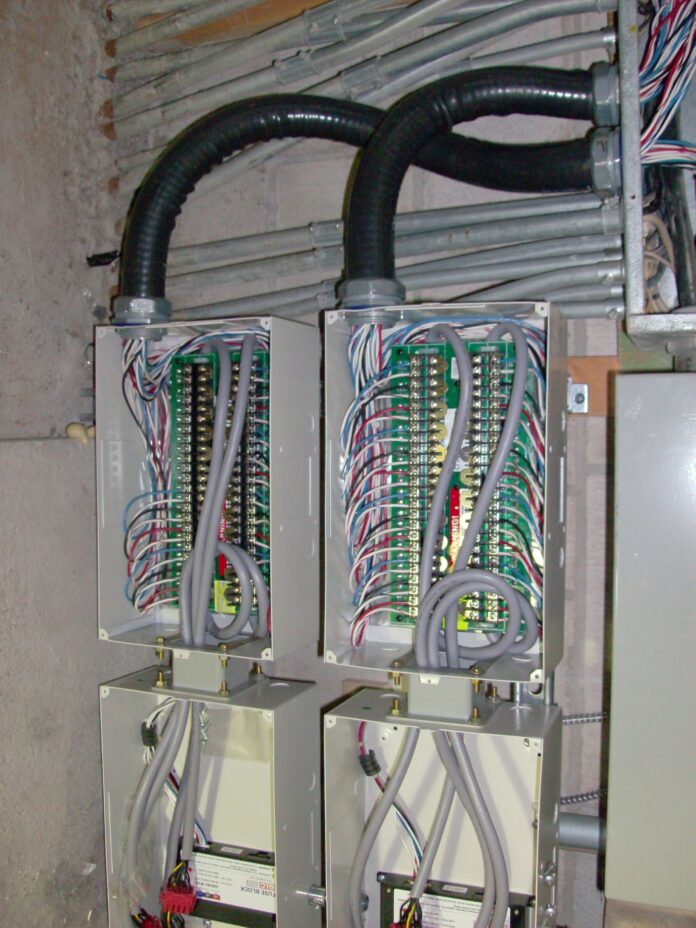
Industrial electrical systems operate in a different league than the wiring found in a retail store or office building. High-voltage environments, complex system integrations, and specialized equipment installations demand a level of experience and specialization far beyond typical commercial jobs. A commercial electrician might handle storefront lighting, office wiring, or HVAC controls, but an industrial facility needs someone comfortable with motor control centres, heavy machinery hookups, and panel board upgrades built to handle sustained, high-demand loads.
This distinction matters when hiring help. Industrial electricians who work in manufacturing plants, warehouses, and specialized production zones bring knowledge of material handling equipment wiring, custom control panel builds, and the strict compliance requirements tied to Ontario's safety codes. Choosing a contractor without that specific background risks code violations, insurance complications, and equipment damage that a residential or commercial-focused electrician simply isn't trained to catch.
Preventive Maintenance Stops Failures Early
A preventive maintenance program remains one of the most effective ways to minimize unplanned machine downtime. Rather than waiting for a breaker to trip or a panel to fail mid-production, scheduled inspections catch small issues, like a loose connection or a stressed component, while they're still cheap and easy to fix. This approach maximizes equipment lifespan and keeps production running without the surprise interruptions that unplanned repairs bring.
Panel, Breaker and Grounding Inspections
Regular inspection of electrical panels, breaker functions, and grounding systems forms the backbone of any solid maintenance plan. Wiring, transformers, and circuit breakers all show early warning signs, like corrosion, wear, or loose terminals, well before they cause a full failure. Testing breakers and distribution panels on a set schedule also confirms that electrical loads are being handled correctly, which helps prevent equipment overload and power imbalance across the facility. A grounding system that's degraded or improperly maintained creates safety risks that go beyond simple downtime, making these checks a non-negotiable part of any maintenance visit.
Thermal Imaging and Load Testing
Thermal imaging adds a layer of detection that a visual inspection alone can't provide. Hot spots in wiring, connections, or components often signal a developing fault long before it causes a visible problem, and identifying that heat buildup early allows for a planned repair instead of an emergency shutdown. Paired with load testing on transformers and panels, thermal imaging gives facility managers a clear picture of how well the electrical system is handling day-to-day demand, and where it might be pushed past its designed capacity. Together, these tools turn maintenance from guesswork into a data-backed process.


Automation and Power Distribution Support
Modern industrial facilities rely heavily on automation, from programmable logic controllers (PLCs) to variable frequency drives (VFDs) and motor starters that keep machinery synchronized and efficient. Installing, programming, and maintaining these systems requires a different skill set than traditional wiring work, since a single misconfigured control panel can throw off an entire production line. Facilities that invest in properly integrated automation wiring tend to see fewer unexpected stoppages, because the control systems themselves are built with reliability in mind from the start.
Power distribution plays a critical role in keeping a facility humming. When all parts of an electrical system are designed to work together as an integrated whole, control becomes simpler and reliability improves significantly. Research into system-wide coordination has found that integrated power systems can reduce SAIDI, a measure of average interruption duration, by as much as 12 percent, a meaningful improvement for any facility trying to avoid costly stoppages. Well-planned power distribution also makes future expansions or equipment upgrades far less disruptive, since the system already has the capacity and structure to support new demands.
Selecting a Qualified Industrial Contractor
Not every electrical contractor is equipped to handle industrial-scale work, so knowing what to look for saves facility managers from costly mistakes down the line. A qualified industrial electrician brings documented credentials, relevant experience at similar industrial sites, and a track record that can be verified through references or past project history. Taking the time to vet a contractor properly before an emergency happens pays off far more than scrambling to find help once a system has already failed.
ESA Registration and Association Membership
Ontario's Electrical Safety Code sets the provincial standard for installing and maintaining electrical equipment safely, and it's enforced by the Electrical Safety Authority (ESA). Any contractor working in an industrial facility should carry active ESA registration, confirming that their work will meet code and pass inspection without issues. Membership in an organization like the Merit OpenShop Contractors Association adds another layer of credibility, signalling a contractor's commitment to industry standards beyond the legal minimum. Facility managers should also expect clear contact information, transparent estimates, and a willingness to provide references from other industrial clients before signing any contract.
Fast Response for Urgent Outages
Even the best-maintained electrical system can experience an unexpected outage, so response time matters just as much as prevention. The Mississauga team at Crown Electric Ltd typically arrives onsite within 24 hours of an urgent electrical issue, giving facility managers a realistic benchmark to expect from a qualified provider. A contractor's ability to mobilize quickly, diagnose the problem, and get systems back online safely often determines whether an outage costs a few hours of lost production or an entire shift.


Proactive Maintenance Protects Facility Profits
Industrial electrical maintenance functions as an investment in both safety and productivity, and that investment shows up directly on a facility's bottom line. Facilities that schedule regular inspections, testing, and system upgrades manage risks tied to aging equipment, stay compliant with regulatory standards, and often see improved energy efficiency as a side benefit. Skipping these steps in the name of short-term savings almost always costs more once an unplanned failure forces an emergency repair.
Facility managers in Mississauga who want to avoid becoming part of next year's downtime statistics benefit from partnering with a contractor experienced in the specific demands of industrial power systems. For practical next steps, see industrial electrical services in Mississauga built around preventive care, code compliance, and rapid response when problems do arise.
Frequently Asked Questions
1. What industrial electrical services does Crown Electric Ltd. provide in Mississauga?
Crown Electric Ltd. offers a full range of industrial electrical services in Mississauga, including power distribution systems, motor control center installations, PLC programming, machine wiring, and system upgrades.
2. How quickly can your team respond to an industrial electrical emergency?
We offer fast response to industrial outages or safety issues. Our Mississauga team typically arrives onsite within 24 hours to assess and resolve urgent electrical problems.
3. Can Crown Electric Ltd. handle industrial electrical safety inspections and maintenance?
Yes. We perform full electrical safety inspections, preventative maintenance, and code-compliant repairs to ensure industrial facilities in Mississauga meet ESA standards and operate safely.
4. What experience do you have with industrial control systems and automation?
Our team has decades of experience installing, programming, and maintaining PLCs, VFDs, motor starters, and other automation systems in Mississauga’s industrial plants.
5. How can I get a quote for industrial electrical work in Mississauga?
To request a custom quote, just call Crown Electric Ltd. at 905‑847‑2804 or email us. We’ll schedule a site visit in Mississauga, assess your industrial electrical needs, and provide a detailed estimate. Learn more on our Electrician in Mississauga Page for more information.