

Industrial Electrician Oakville: Your Trusted Partner in Power
One overlooked wiring fault can shut down an entire Oakville production line for days. Learn about the certifications, response times, and compliance checks facility managers must verify before trusting any contractor with industrial power systems.
Key Takeaways
- Industrial facilities in Oakville need electricians trained in high-voltage systems, motor controls, and PLC programming, beyond general residential skills.
- Compliance with the Ontario Electrical Safety Code and inspection standards set by the Electrical Safety Authority protects facilities from costly shutdowns and liability.
- A qualified industrial electrical contractor should hold proper certification, carry a strong safety record, and be able to respond quickly during equipment failures.
- Fast response times matter because unplanned downtime on a production floor can disrupt operations across an entire facility.
- Facility managers can reduce long-term costs by pairing routine maintenance with energy efficiency upgrades like LED retrofits and EV charging infrastructure.
Industrial facilities in Oakville depend on electrical systems that rarely get a moment's rest. Production lines, refrigeration units, conveyor systems, and climate controls all draw on power around the clock, and a single fault can ripple across an entire operation. Facility managers who understand what separates industrial electrical work from a standard residential job are better equipped to keep their sites safe, compliant, and running without interruption.
Why Industrial Power Demands Are Unique
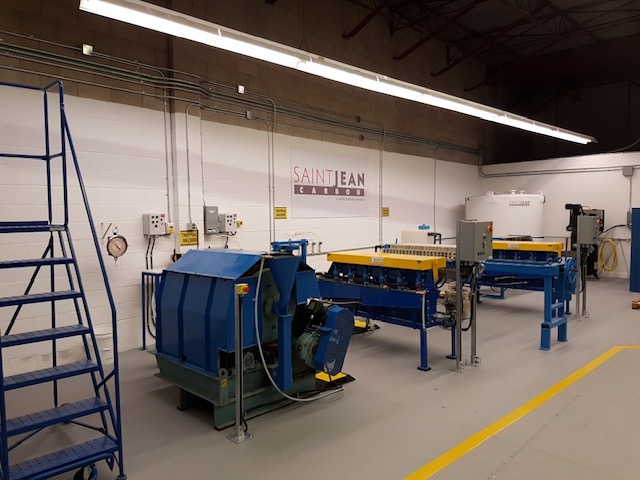
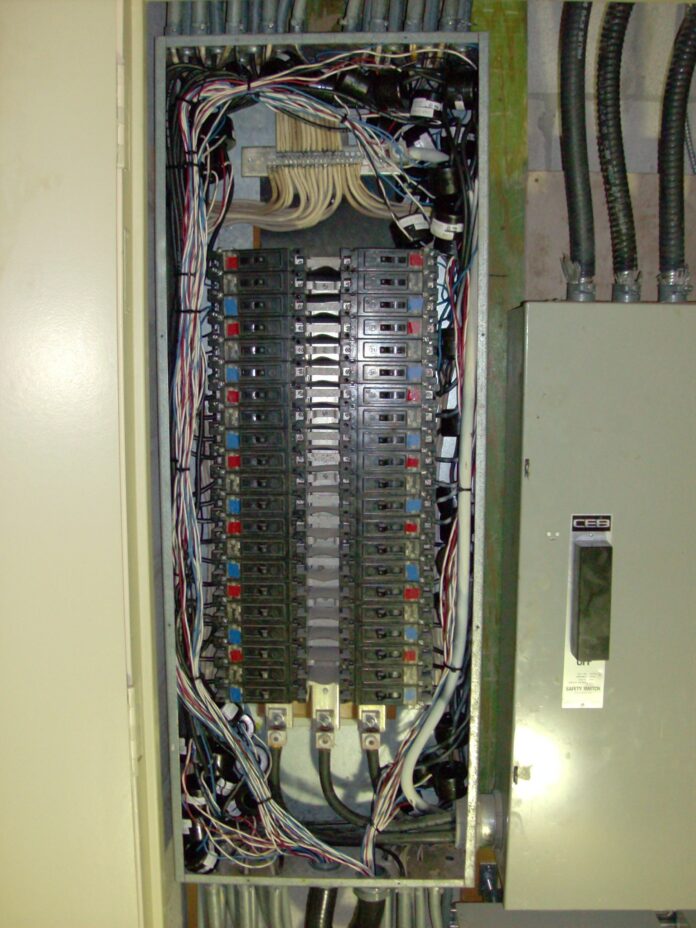
Industrial electrical systems carry a different level of complexity than what is found in a house or small office. High-voltage distribution, three-phase power, and specialized machinery all require electricians with advanced training and specific certifications. A breaker panel in a warehouse looks nothing like the load a manufacturing plant places on its infrastructure, and the margin for error shrinks considerably once heavy equipment, automated systems, and continuous production schedules enter the picture.
Facilities across Oakville's manufacturing, warehousing, and processing sectors rely on infrastructure built to handle sustained, heavy use. Crown Electric Ltd has worked across Oakville, Mississauga, Burlington, and Etobicoke since 1991, giving its team a long view of how industrial power needs have evolved alongside local growth. That kind of sustained regional presence matters when a facility manager needs a contractor who already understands the area's infrastructure quirks and permitting process, rather than one learning on the job.
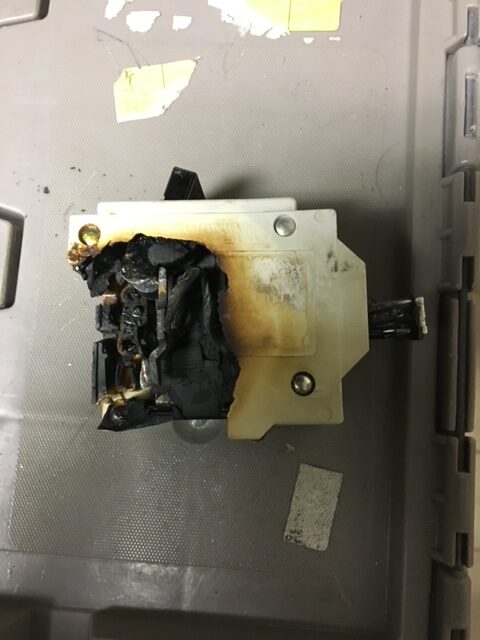
The stakes for getting this wrong extend beyond inconvenience. Overloaded circuits, poorly rated equipment, or outdated wiring in an industrial setting can lead to equipment damage, safety incidents, or extended shutdowns that hit the bottom line hard. Understanding these unique demands is the first step toward building a facility that runs efficiently and safely for years to come.
Core Services Industrial Facilities Need
Industrial sites call on a broader range of electrical expertise than most commercial properties. From the moment new machinery arrives to the day a facility undergoes an energy efficiency overhaul, several specialized services keep operations moving.
Power Distribution, Motors and PLC Systems
At the heart of most industrial operations sits a network of power distribution systems, motor control installations, and programmable logic controllers (PLCs) that automate everything from assembly lines to material handling. Electricians working in this space need to be comfortable with motor control centers, variable frequency drives (VFDs), and the wiring behind automated systems that keep machinery synchronized.
This work also covers tasks that matter just as much day to day:
- Machinery wiring for new or relocated equipment
- Troubleshooting motor and control failures before they cause line stoppages
- Full plant shutdown support during major installs or emergency repairs
- Service upgrades to accommodate higher power loads as facilities expand
Getting these systems right the first time prevents the kind of recurring faults that quietly drain productivity over months.
Custom Control Panel Design and Compliance
Many industrial facilities need control panels built around their exact equipment and workflow rather than off-the-shelf solutions. Custom panels can be designed and fabricated to fit unique automation needs, or built directly from client-provided prints when a facility already has engineering specifications in hand.
Panels intended for industrial use typically conform to recognized standards such as UL 508A and CSA 22.2 No. 286-17, standards that industry certification bodies designed to catch fire and shock hazards before a panel ever goes live. Facility managers evaluating a contractor's control panel work should ask whether the design process accounts for these standards from the outset, since retrofitting compliance after installation tends to cost more time and money than building it in from the start.
Energy Efficiency and EV Charging Upgrades
Sustainability has become a practical operational concern for industrial operators, extending well beyond marketing messaging. LED lighting retrofits and energy audits offer a straightforward way to trim electricity costs across large facilities with extensive lighting needs, while standby generator setups protect against unplanned outages that could otherwise halt production.
Electric vehicle infrastructure is also becoming part of the industrial conversation. Facilities with delivery fleets or company vehicles are increasingly installing Level 3 DC fast charging stations, letting logistics operations keep vehicles moving with minimal downtime for charging. Pairing these upgrades with a broader energy efficiency plan positions a facility to reduce operating costs while meeting growing expectations around environmental responsibility.
Staying Compliant with ESA and OEL Standards
Compliance in an industrial setting functions as the safety framework that keeps workers protected and equipment running as designed. Two organizations shape how electrical work gets done across Ontario, and facility managers benefit from understanding what each one covers.
Permits, Inspections and the Ontario Electrical Safety Code
The Electrical Safety Authority (ESA) is the non-profit body responsible for administering and enforcing electrical safety regulations across Ontario under the Ontario Electrical Safety Code. Its oversight touches nearly every type of electrical work a facility might undertake, including new construction, renovations, repairs, and ongoing maintenance.
Obtaining electrical permits before most types of work begin is a core part of staying compliant, and it ensures inspections happen at the right stages of a project. The Code itself is updated every three years to reflect new technology and updated safety practices, covering details like circuit breaker requirements, grounding, and overcurrent protection. Facilities that skip permits or inspections risk more than fines; they risk operating with wiring that was never verified against current safety requirements, which can complicate insurance claims down the road.
Certification: What C of Q and C of A Mean
Beyond ESA oversight, the Ontario Electrical League (OEL) has spent a century promoting and strengthening standards across the province's electrical trade, and the organization states it represents more than 38,000 industry partners including contractors, electricians, apprentices, and utility companies. The OEL also developed the Red Seal Plan as a symbol of reliability, historically posting Red Seal decals on switch boxes in homes to show that residential wiring met minimum standards.
Becoming a certified Industrial Electrician in Ontario involves a four- to five-year apprenticeship combining on-the-job training with in-school instruction. Certification is voluntary in a strict legal sense, though hiring practices generally call for two specific credentials:
- Certificate of Qualification (C of Q): confirms an electrician has met the provincial standard for the trade
- Certificate of Apprenticeship (C of A): verifies completion of the full apprenticeship training program
Facility managers hiring for industrial work should ask to see both certificates rather than assuming licensing alone covers this ground.


Minimizing Downtime with Fast Response
Every hour a production line sits idle costs money, which makes response time one of the most practical factors in choosing an industrial electrical partner. A contractor who takes days to assess a problem leaves a facility exposed to lost output, spoiled inventory, or missed shipping deadlines.
Facilities dealing with unexpected power loss or system failure need a team that can move quickly, ideally with an aim to assess the site within 24 hours of the initial call. This kind of turnaround allows a facility manager to develop a repair or upgrade plan before a minor issue turns into a multi-day shutdown. Building a relationship with a contractor ahead of time, rather than searching for one mid-crisis, tends to shave critical hours off that response window when an emergency actually happens.
Vetting a Qualified Industrial Contractor
Choosing the right industrial electrical contractor takes more scrutiny than picking a name off a search results page. Facility managers carry real responsibility here, since the wrong choice can mean recurring problems, code violations, or safety incidents that fall back on the facility itself.
A few checks help separate a reliable contractor from one that only looks the part:
- Confirm the contractor holds proper licensing through the Electrical Safety Authority, which oversees contractor and master electrician credentials in Ontario
- Ask for a documented safety track record, including past inspection results
- Request examples of past work with similar industry equipment or facility types
- Look for a satisfaction guarantee backing the quality of completed work
- Insist on detailed quotes and realistic project timelines before work begins
Contractors who hesitate to provide this information, or who offer vague timelines without a site visit, are worth questioning further before signing any agreement.
Reliable Power Supports Industrial Success
Every part of an industrial facility, from the loading dock to the production floor, depends on electrical systems that were designed, installed, and maintained correctly from the start. Facility managers who invest time in understanding power distribution needs, compliance requirements, and contractor qualifications put their operations in a much stronger position than those who treat electrical work as an afterthought.
The connection between reliable power and steady output is direct: fewer unplanned outages mean fewer missed deadlines, and proactive maintenance tends to cost far less than emergency repairs made under pressure. As Oakville's industrial sector continues to grow, facilities that prioritize proper electrical infrastructure now will be better positioned to scale equipment, adopt new technology, and meet safety expectations without scrambling to catch up later.
Facility managers planning an upgrade or troubleshooting a recurring issue can start by scheduling a site assessment with a qualified industrial electrician in Oakville to map out next steps.

Frequently Asked Questions
1. What kinds of industrial electrical services does Crown Electric Ltd. offer in Oakville?
Crown Electric Ltd. handles a wide range of industrial electrical services in Oakville, Ontario—everything from power distribution systems and motor control installations to PLC programming, machinery wiring, and full plant shutdown support.
2. How quickly can Crown Electric Ltd. respond to an industrial electrical issue?
Our Oakville-based team offers fast response for critical industrial problems. Once you contact us, we aim to assess your site within 24 hours and develop a repair or upgrade plan to minimize downtime.
3. Do you handle safety compliance and maintenance for industrial facilities?
Yes. Crown Electric Ltd. performs safety inspections, preventative maintenance, and upgrades to keep industrial facilities in Oakville compliant with Ontario’s electrical codes and workplace safety regulations.
4. What experience does Crown Electric Ltd. have with industrial control systems?
With over 30 years in the industry, Crown Electric Ltd. has extensive expertise in installing and servicing motor control centers, VFDs, PLCs, and automated systems across Oakville’s manufacturing and industrial sites.
5. How can I get a quote for industrial electrical work in Oakville?
To get a customized quote, contact Crown Electric Ltd. at 905‑847‑2804 or send us an email. We'll schedule a site visit in Oakville, assess your industrial system needs, and provide a detailed proposal.