


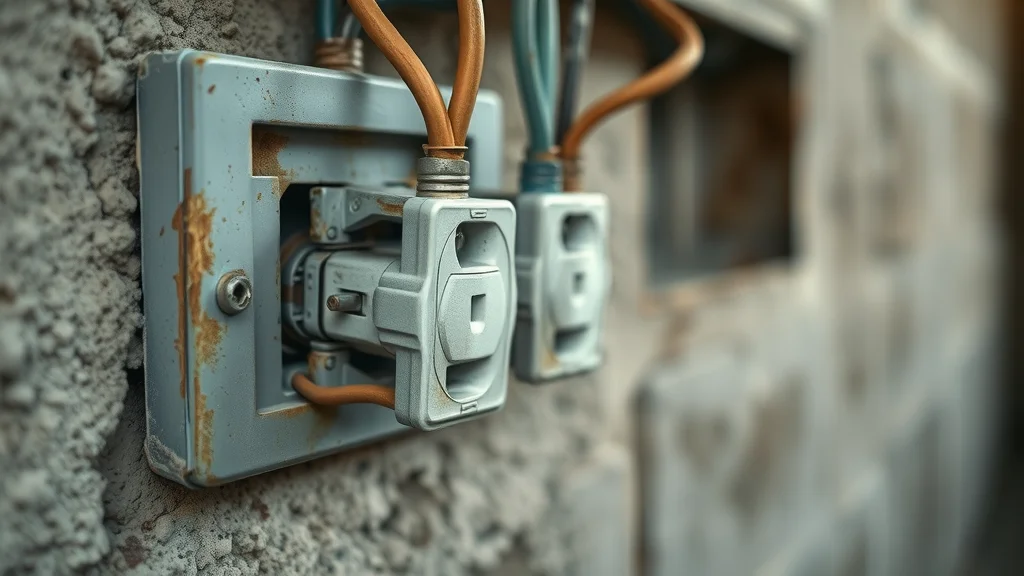
If your Oakville home was built before 1972, the wiring behind your walls could be 55 times more likely to spark a fire hazard. Here’s how to tell, and what repairing or replacing it actually costs.
Key Takeaways
- More than 450,000 Canadian homes still carry outdated aluminum wiring, often without homeowners realizing it
- Homes wired with aluminum wire manufactured before 1972 are 55 times more likely to have one or more connections reach “Fire Hazard Conditions” than homes wired with copper
- The Ontario Electrical Safety Code allows aluminum wiring only when proper connectors and terminations are used, and prohibits aluminum wiring smaller than #6 AWG for residential branch circuits
- Selective repair methods like pigtailing can cost far less than a full home rewire, but the right choice depends on the wiring’s condition and age
- Repair costs and full rewiring costs vary widely, making a professional inspection the best starting point
Oakville homes built in a certain era share a quiet secret behind their walls. Aluminum wiring, once a common and affordable building material, is now recognized as a real safety concern that affects everything from insurance renewals to resale value. This guide breaks down why aluminum wiring becomes risky, what the Ontario Electrical Safety Code requires, and how homeowners can weigh repair against full replacement.
450,000 Canadian Homes Wired with Aluminum
Over 450,000 Canadian homes are currently at increased safety risk because of outdated aluminum wiring, and a large share of those homeowners have no idea the material is even present behind their drywall. Aluminum wiring was installed widely across Canada, including throughout Oakville, between the late 1960s and late 1970s, back when copper prices spiked and builders needed a cheaper alternative. Neighbourhoods like Kerr Village and Bronte have plenty of homes from that era still running on their original electrical systems.
The trouble is that aluminum wiring does not age the same way copper does. Crown Electric Ltd has spent decades working on Oakville’s older housing stock and often points out that many homeowners only learn about the wiring type during a renovation or a routine electrical inspection. That delay matters, because the risks tied to aluminum wiring tend to build quietly over years before they show up as a real hazard.
Why Aluminum Wiring Overheats and Fails
Aluminum behaves very differently from copper once it is carrying an electrical load. It expands and contracts more with heat and cooling cycles, which gradually loosens connections at outlets, switches, and junction boxes. Once a connection loosens even slightly, resistance builds at that point, and resistance means heat. Left unaddressed, that heat can scorch insulation, damage devices, or spark a fire.
There’s another factor working against aluminum wiring: oxidation. When aluminum is exposed to air, it forms a natural oxide layer on its surface, and that layer conducts electricity far less efficiently than the metal underneath. Combined with loosening connections, this oxide buildup raises resistance and heat at exactly the spots where wires meet outlets, switches, and breakers. It is a slow-moving problem, which is part of why it goes unnoticed until symptoms appear.
55 Times Higher Fire Risk for Pre-1972 Wiring
Homes wired with aluminum wire manufactured before 1972 are 55 times more likely to have one or more connections reach “Fire Hazard Conditions” than are homes wired with copper. That figure reflects decades of loosening connections, oxidation, and heat damage compounding inside walls where nobody can see it happening. Aluminum wiring is not illegal in Canada, but its material properties make remediation a wise choice wherever it is still in service. For a home built during that specific window, this figure alone is reason enough to schedule a professional inspection sooner rather than later.
Warning Signs You Shouldn’t Ignore
Some signs of trouble are easy to miss until someone knows what to look for. Outlets and switch plates that feel warm to the touch, or that show yellowing and discoloration, often point to overheating happening just behind the wall. A faint smell of burning plastic near an outlet or panel is never something to brush off, and breakers that trip more often than they used to may be signalling a deeper wiring issue rather than a simple overload.
Homeowners noticing any of the following should treat it as a reason to call a licensed electrician, not wait for the next sign to appear:
- Outlets or switch plates that feel warm or look discoloured
- Circuit breakers that trip frequently during normal, everyday use
- A faint burning smell near outlets, switches, or the electrical panel
- Flickering lights that happen without an obvious cause, like a loose bulb
Meeting Code and Insurance Requirements
Electrical safety codes and home insurance policies both treat aluminum wiring as a factor that needs careful documentation. Getting this right protects more than the physical wiring; it protects a homeowner’s ability to make an insurance claim if something ever goes wrong.
How the OESC Permits Aluminum Wiring Safely
The Ontario Electrical Safety Code does not ban aluminum wiring outright. It permits aluminum conductors when connections and terminations are made without damaging the wire and only approved devices are installed, following both the OESC and the manufacturer’s instructions. The code also prohibits aluminum wiring smaller than #6 AWG for residential branch circuits. Any new repair, extension, or modification involving aluminum conductors has to follow detailed guidelines, including connectors rated specifically for aluminum and antioxidant compounds applied where the code calls for them. The Electrical Safety Authority recommends hiring a Licensed Electrical Contractor familiar with these specific techniques, since aluminum wiring work is not the same skill set as standard copper wiring repairs.
Why Insurers Balk at Aluminum Wiring
Insurance companies have grown cautious about aluminum wiring for good reason, and many will not issue or renew a policy on a home with it unless the wiring has been inspected, repaired, or replaced as needed. A Certificate of Acceptance from the Electrical Safety Authority, provided to the insurer, is often the documentation that satisfies this requirement. Some insurers take a more flexible approach: Economical Insurance offers specific policies for Ontario and Quebec homes with aluminum wiring provided certain safety precautions are met, and Square One Insurance Services offers coverage for houses with aluminum wiring for about $75 a month. These options show that coverage is possible, but it usually comes with strings attached until the wiring issue is properly addressed.
Repair or Replace: Weighing Your Options
Deciding between a targeted repair and a full rewire comes down to a handful of practical questions. How old is the home? How extensive is the aluminum wiring? What is the budget, and how long does the homeowner plan to stay in the property? Answering these honestly makes the rest of the decision much clearer.
CPSC-Recommended COPALUM and AlumiConn Repairs
For homes where aluminum wiring is limited or in reasonably good shape, targeted repair methods offer a practical middle ground. The COPALUM crimp connector is the only system recognized by the Consumer Product Safety Commission that provides a complete and permanent repair and reduces the fire hazard in aluminum wire circuits. The AlumiConn connector takes a different approach: it is CPSC-approved and uses a mechanical set-screw design to secure aluminum and copper wires in separate ports, keeping conductors from intermixing.
Both methods rely on pigtailing, where a short length of copper wire is joined to the existing aluminum conductor at each critical connection point using an approved connector. This technique addresses the exact spots where aluminum wiring tends to fail, the outlets, switches, and junctions, without requiring the removal of wire buried deep inside walls.
Full Rewiring for Maximum Safety
Full rewiring takes a different route entirely: every aluminum wire in the home gets replaced with modern copper wiring, eliminating the material issue at its source. This is the option that offers the highest safety standard and the strongest peace of mind, particularly for older homes where aluminum wiring is extensive or where a previous repair was done without proper documentation. It is a bigger project and a bigger investment upfront, but it removes any lingering question about whether a connection somewhere in the walls might still be at risk.
Comparing Repair and Rewiring Costs
Cost is often the deciding factor for homeowners weighing these two paths, so it helps to look at what each option typically involves. Selective aluminum wiring repair, using methods like pigtailing and connector upgrades, generally ranges from $2,000 to $6,000 or more depending on how many circuits need attention and how accessible they are. Complete rewiring for an entire home runs considerably higher, from $8,000 to $25,000 or more, with the final number shaped by the size of the property, the age of the existing system, and how much of the home needs new wiring pulled through walls and ceilings.
A few factors tend to push these numbers up or down on either path:
- The amount of aluminum wiring present and how accessible the circuits are behind walls and ceilings
- The level of existing corrosion or damage found during inspection
- Material costs for approved connectors, copper wiring, and antioxidant compounds
- Permit fees and required inspections from the Electrical Safety Authority
Selective repair suits homeowners with a limited amount of aluminum wiring confined to easily accessible areas, while full rewiring makes more sense for larger or older properties, or wherever an inspection turns up widespread corrosion. Either way, a proper inspection from a licensed electrician is the only reliable way to know which category a specific home falls into.
Safety and Compliance Demand Professional Action
Aluminum wiring is a manageable issue when it gets the right attention at the right time. Waiting until warning signs appear, or hoping an insurance company won’t notice, tends to turn a manageable repair into a bigger, more expensive problem down the road. A licensed electrician familiar with aluminum wiring techniques can assess the home, recommend the right approach between repair and full replacement, and provide the documentation insurers and safety authorities require.
Oakville’s older neighbourhoods still carry plenty of homes from the aluminum wiring era, which makes a professional inspection a smart step for anyone unsure what is behind their walls. For homeowners ready to take that step, scheduling an aluminum wiring inspection is a practical way to get clear, code-compliant answers before a small issue becomes a costly one.