


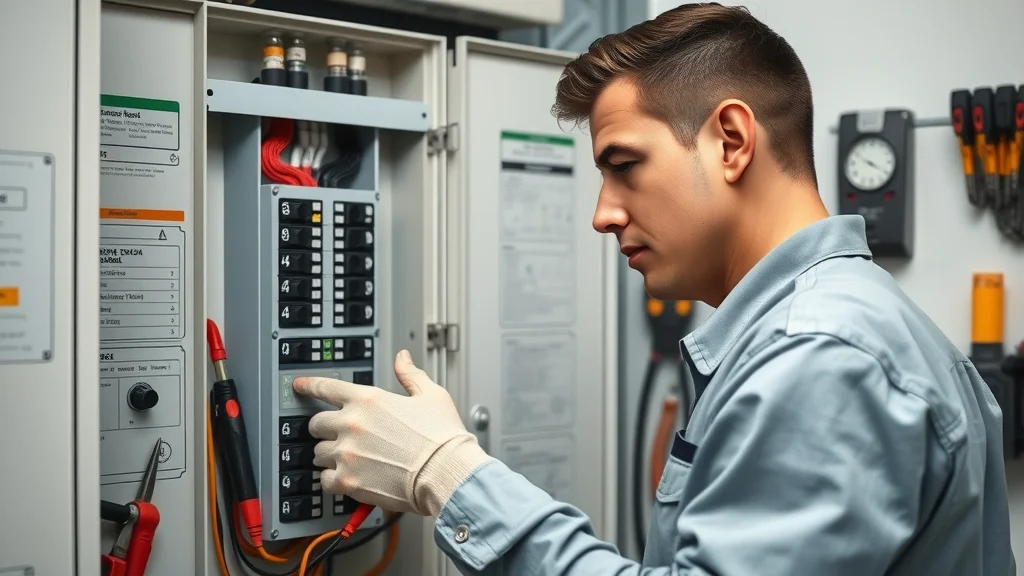
That faint buzzing near your breaker box could be more than annoying – it might be the first sign of a fire risk. A Mississauga electrician reveals the sounds, smells, and behaviors that separate a quick fix from a household emergency.
Key Takeaways
- More than 38% of electrical fires in Canadian homes trace back to outdated or faulty breaker boxes, making early detection critical
- Buzzing sounds, burning smells, frequent breaker trips, and warm outlets are all signals that a breaker box needs a closer look
- Fuse-style panels installed before the 1970s are considered outdated and are often flagged during an inspection – find out why that matters below
- All electrical panel work in Ontario must be done by a Licensed Electrical Contractor to stay compliant with the Ontario Electrical Safety Code
- Panel upgrades and full replacements come with very different price tags and timelines, so knowing which one a home actually needs saves money
Most homeowners never think about their breaker box until something goes wrong, but this metal panel quietly manages every watt of power flowing through a house. Learning to read its warning signs is one of the simplest ways to catch trouble before it turns into an emergency.
Electrical Failures Cause Many Home Fires
Faulty wiring ranks among the leading causes of electrical fires in Canada, and a large share of those incidents start at the breaker box itself. Across the country, electrical fires cause an estimated 4,000 incidents each year, resulting in nearly 70 deaths, roughly 250 injuries, and about $200 million in property damage. For Mississauga homeowners, that statistic serves as a reminder that the panel tucked in a basement or garage deserves regular attention.
A breaker box acts like the traffic controller of a home’s electrical system, directing power safely to every outlet, appliance, and light fixture. When it starts failing, the warning signs are often subtle at first: a strange smell, a light that flickers a little more than usual, a breaker that trips for no obvious reason. Recognizing these clues early, rather than waiting for a total shutdown, separates a simple repair from a costly emergency. Crown Electric Ltd’s Mississauga electricians regularly walk homeowners through exactly what to look for, since spotting the problem early is often the difference between a quick fix and a much bigger headache.
Sounds and Smells That Signal Danger
The senses pick up trouble long before a breaker box fails completely. Paying attention to unusual sounds or odours near the panel gives homeowners a head start on preventing serious damage.
Buzzing, Crackling or Sizzling Noises
A breaker box should be silent during normal operation. Buzzing, sizzling, or crackling sounds coming from the panel point to electrical arcing, a process where electricity jumps across a gap it should not be crossing. Arcing erodes contacts inside the breaker, builds up heat over time, and can eventually ignite the surrounding materials. Any of these noises calls for a professional inspection right away, since arcing rarely resolves itself and tends to get worse the longer it goes unaddressed.
Burning Smells and a Hot Panel Face
A burning, fishy, or hot-plastic smell near the panel ranks among the most urgent signals a breaker box can give. Combined with a panel face that feels hot to the touch, this points to active overheating or arcing happening inside the box right now. Scorch marks, browning, or melted plastic on the breaker or panel face confirm that overheating has already occurred, even if the smell has faded. These signs call for shutting off power to the affected circuit and contacting a licensed electrician as soon as possible, rather than waiting to see if the smell fades on its own.
Breaker Behaviour Worth Watching
Beyond sounds and smells, the way breakers actually behave tells a story about the health of the whole electrical system. Patterns matter more than a single one-off trip.
Frequent Trips With Little Plugged In
A breaker tripping once in a while when too many appliances run at once is normal. A breaker tripping repeatedly with little or nothing plugged in, especially if the pattern started suddenly without any change in household electrical use, suggests something deeper is wrong. This could mean a short circuit, a failing breaker, or wiring that has degraded over time. Ignoring frequent trips because resetting the breaker feels like an easy fix only delays a diagnosis that a professional needs to make.
Faulty Handles, Flickering Lights and Warm Outlets
Several smaller behaviours, taken together, paint a clear picture of a breaker box under strain:
- A breaker that trips instantly every time it is reset, without ever staying on, points to a faulty breaker or an active short.
- A handle that flops, drifts to the middle position, or refuses to click firmly into “on” signals worn internal components.
- Flickering or dimming lights, particularly when several appliances run at the same time, suggest the system is struggling to keep up with demand.
- Outlets or switches that feel warm to the touch indicate heat building up at a connection point, which is never a good sign.
- Fans running at inconsistent speeds or irons taking longer than usual to heat up can mean the breaker is not regulating power the way it should.
Any one of these on its own is worth a phone call. Several appearing together usually means the panel needs a proper inspection sooner rather than later.
Outdated Panels and Code Compliance
Age matters just as much as symptoms for breaker box safety. Fuse-style panels, common in homes built before the 1970s, are no longer considered safe by modern standards and can pose a genuine fire risk simply by being outdated. Many Mississauga neighbourhoods still have homes running on these older systems, often without the homeowner realizing the panel predates decades of safety improvements.
The Ontario Electrical Safety Code sets clear requirements for how a panel must be installed and maintained, including a clear working space in front of it measuring at least one metre deep and 750 millimetres wide, extending from the floor to at least two metres above it. The code also requires Arc Fault Circuit Interrupters in most areas of new homes, a technology capable of preventing more than half of electrical fires each year according to regulatory guidance. A panel that predates these requirements can still be safe, though scheduling an inspection confirms whether the system still meets today’s safety expectations.
Repair, Upgrade or Full Replacement
Once a warning sign has been spotted, the next question is what kind of fix the situation actually calls for. The right answer depends on how severe the problem is and how old the panel already is.
Minor breaker box repairs, such as replacing a single faulty breaker or fixing small wiring issues, typically cost between $200 and $800 CAD. A full panel upgrade, which increases circuit capacity and supports higher electrical demand from modern appliances or renovations, generally runs $800 to $2,500 CAD and takes about half a day to a full day to complete. A complete electrical panel replacement, needed when a panel is fundamentally outdated or unsafe, usually costs $2,500 to $5,000 CAD or more and takes one to two days from start to finish.
Deciding between these three paths comes down to a straightforward comparison. Minor repairs make sense when the panel itself is sound but one component has failed. Upgrades suit homes that are adding an EV charger, a hot tub, or undergoing a major renovation that increases power demand. Full replacement becomes necessary when the panel is a fuse-based system, shows signs of physical damage like scorching or corrosion, or simply cannot meet current code requirements. A licensed electrician can assess the panel in person and recommend the option that actually matches the home’s needs, rather than guessing based on age alone.
Why Licensing Isn’t Negotiable
Every path forward, whether it is a minor repair or a full panel replacement, depends on hiring someone properly licensed to do the work. In Ontario, only electrical contractors licensed by the Electrical Safety Authority may legally perform electrical work for hire, a requirement built into the province’s Electricity Act and its licensing regulation. Unlicensed electrical work carries real weight beyond paperwork: it is four times more likely to result in safety issues compared to work completed by a Licensed Electrical Contractor.
The financial risk extends beyond the immediate repair, too. Insurance companies can deny coverage when a claim traces back to unlicensed electrical work, which means a homeowner could be left paying for fire or water damage entirely out of pocket. Unpermitted work also tends to fail inspection down the line, meaning it gets torn out and redone anyway, doubling the cost for a job that should have been done right from the start. Verifying a contractor’s ESA licence before any work begins takes only a few minutes and protects both the home and its insurance coverage.
Early Warning Signs Protect Mississauga Homes
A breaker box rarely fails without warning. Buzzing sounds, burning smells, frequent trips, warm outlets, and stiff or unresponsive breaker handles all give homeowners a chance to act before a small issue becomes a house fire statistic. Older fuse panels add another layer of risk simply through age, making a professional inspection worthwhile even when no obvious symptoms are present yet.
Treating these signs seriously, rather than waiting to see if they get worse, stands as the most effective way to keep a Mississauga home safe year-round. For homeowners ready to have a panel checked, scheduling a licensed electrical inspection is a practical next step toward catching problems while they are still small and affordable to fix.