


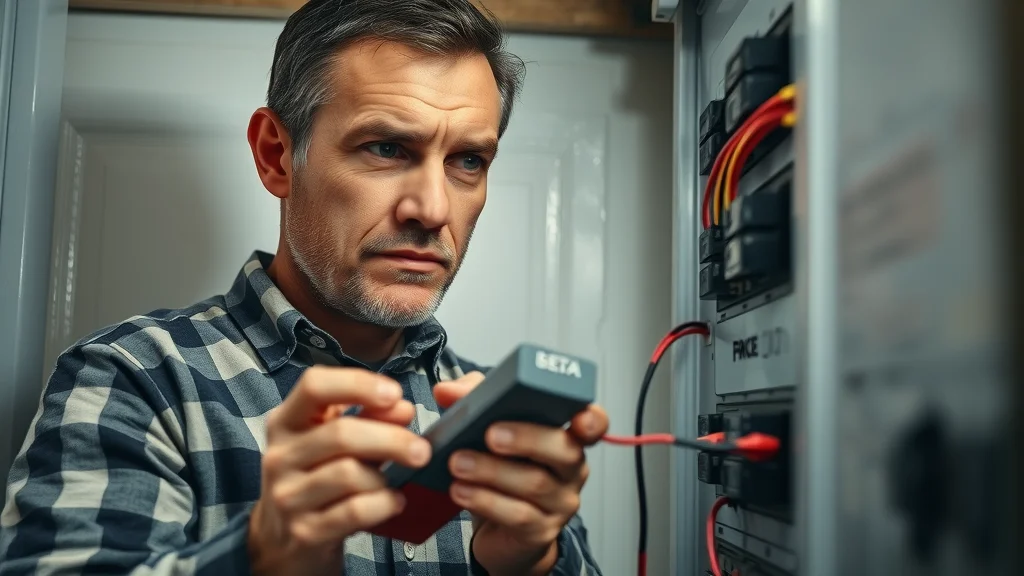
That quick DIY fix could void your insurance or spark a fire – over 35% of Ontario home electrical fires trace back to amateur repairs. Do you actually know where the legal DIY line sits before you touch that panel?
Key Takeaways
- The Electrical Safety Authority links more than 35% of home electrical fires in Ontario to amateur electrical repairs
- Ontario law allows homeowners to do minor electrical work on their own home only, but panel upgrades, new circuits, and EV charger installs must go to a licensed electrical contractor
- Insurance companies can deny a claim entirely when a fire or damage traces back to unlicensed electrical work, leaving homeowners to cover repairs out of pocket
- Becoming a Master Electrician in Ontario requires at least three years of journeyperson experience plus an 80-question exam on the Ontario Electrical Safety Code
- Crown Electric Ltd notes that same-day emergency service exists for situations like exposed wiring or sudden power loss, which are signs a licensed electrician should be called right away
Electrical work looks simple on the surface: flip a breaker, swap a switch, connect a wire. For Mississauga homeowners, that surface can be deceiving, because Ontario has firm rules about what can be done alone and what legally requires a licensed professional. Getting this wrong risks more than a shock or a spark – it can void a home insurance policy, fail a resale inspection, or worse.
Over 35% of Fires Linked to DIY
The Electrical Safety Authority links more than 35% of home electrical fires in Ontario to amateur electrical repairs, a figure that puts a hard number on a risk many homeowners underestimate. A loose wire nut, a poorly grounded outlet, or an overloaded circuit can sit quietly for months before causing real trouble. The danger rarely shows up right away, which is part of what makes amateur wiring so risky: problems tend to surface later, often during a cold snap or a holiday dinner when every appliance in the house is running at once.
Ontario built its detailed electrical code around exactly this kind of risk. Faulty wiring, unsafe pot light installs, and underpowered panel work are among the most common culprits behind house fires linked to amateur repairs. For homeowners weighing a weekend project against calling in help, that statistic is worth sitting with before picking up a screwdriver. Crown Electric Ltd has spent decades working within Ontario’s electrical framework across Mississauga, Oakville, Burlington, and Etobicoke, and brings useful perspective on where the legal lines actually sit.
What Homeowners Can Legally Do Alone
Ontario law does give homeowners some room to work on their own electrical systems, but that room is narrower than most people assume. Simple tasks, such as replacing a light switch, swapping a fixture, or changing an outlet cover, are generally allowed as long as safety protocols are followed. Anything that touches new wiring, alters existing circuits, or affects the main panel crosses into territory that legally requires a licensed electrician.
Permits Needed for New Wiring or Circuits
Most electrical projects require a notification of work, commonly called a permit, from the Electrical Safety Authority before work begins. Minor tasks such as replacing an existing receptacle, switch, or light fixture without adding new wiring or circuits generally do not need one. Homeowners are legally allowed to pull a permit for work on their own residence, but the work still has to meet the Ontario Electrical Safety Code and pass a required inspection. Skipping the permit risks a fine, a failed inspection during a later sale, or an insurer refusing a claim tied to unpermitted work.
DIY Is for Your Own Home Only
One detail catches many people off guard: DIY electrical work in Ontario applies strictly to the homeowner’s own residence. Friends, family members, or neighbours are not permitted to perform electrical work in someone else’s home, even as a favour. Only the person who owns and lives in the home can legally do the work themselves. The moment a project stretches to a rental property, a family member’s basement, or a neighbour’s garage, it moves into professional territory, since anyone taking on electrical work for the public must be licensed through the Electrical Safety Authority.
Hidden Costs of Unlicensed Work
Saving money is usually the motivation behind skipping a licensed electrician, but the math rarely works out in the homeowner’s favour once something goes sideways. The costs of unlicensed work tend to hide until the worst possible moment, then arrive all at once.
Insurance Claims Denied After Faulty Wiring
Home insurance policies are written on the assumption that all electrical work in the house meets provincial code. When a fire or damage claim traces back to work that was never brought up to that standard, insurers can deny the claim outright. That means a homeowner could be left covering the full cost of fire damage, water damage from sprinklers, or smoke remediation entirely out of pocket, on top of whatever the faulty wiring destroyed in the first place. A licensed electrician’s paperwork and permit history become the evidence an insurer needs to honour a claim without a fight.
Liability If an Unlicensed Worker Gets Hurt
There is also a liability angle that many homeowners overlook. If an unlicensed worker gets hurt while doing electrical work on a property, the homeowner can be held responsible for that injury. Licensing exists for a reason beyond paperwork, reflecting a level of accountability and safety training that unlicensed work simply does not carry.
Jobs That Demand a Licensed Electrician
Some electrical projects sit firmly outside the DIY lane, no matter how confident a homeowner feels with a multimeter in hand. These are the jobs where Ontario law, insurance requirements, and basic safety all point in the same direction: call a licensed pro.
Panel Upgrades and Rewiring
Replacing an electrical panel or rewiring sections of a home are classic examples of work that must go to a licensed electrician. Older homes throughout Mississauga still run on outdated panels that struggle to keep up with the power demands of modern appliances, HVAC systems, and home offices. These jobs involve wire sizing, grounding, and overcurrent protection details that carry serious consequences when done incorrectly, and they almost always require an ESA inspection before the work can be signed off.
EV Charger Installation Rules in Mississauga
Electric vehicle adoption is picking up speed across the region, and Mississauga has specific rules to match. EV charger installations typically require an electrical permit and must be completed by a licensed contractor to comply with the Ontario Electrical Safety Code. Installing a charger often calls for a dedicated circuit and, in older homes, a full panel upgrade to handle the added load safely. New multi-unit residential buildings in Mississauga are also required to have at least 20 percent of resident parking spaces and 10 percent of visitor spots EV-ready as of June 8, 2023, with that target rising to at least 25 percent of resident spots plus one visitor spot with Level 2 charging by 2028-2029, and growing to 30 percent by 2030. A licensed contractor typically handles the panel check, the permit application, and the ESA approval as part of the same installation, which keeps the process from stalling at any one step.
How Ontario Licenses Electrical Pros
Understanding how someone becomes a licensed electrician in Ontario helps explain why the credential carries so much weight, representing years of layered training and testing.
Master Electrician Training and Exam
To reach Master Electrician status in Ontario, a candidate must be at least 18 years old and have completed a minimum of three years working as a journeyperson electrician. From there, the candidate sits for an 80-question exam covering the Ontario Electrical Safety Code, worker safety practices, and business administration. Passing that exam is what allows a Master Electrician to pull permits and take legal responsibility for a project, ensuring the finished work meets code and passes inspection.
Contractor Licence vs. Individual Credential
A Master Electrician’s licence recognizes individual skill, but it does not automatically authorize a company to take on electrical contracting work for the public. That requires a separate Electrical Contractor Licence issued through ECRA/ESA. Homeowners doing their research should keep both layers in mind:
- The individual electrician needs a personal credential, earned through apprenticeship and exam.
- The company sending that electrician out needs its own contractor licence, confirming it is authorized to take on public electrical work.
Both pieces need to be in place for a job to be considered fully licensed.
Weighing DIY Savings Against Real Risk
A DIY project can look like an easy way to trim a renovation budget, especially when a repair seems small. The comparison that matters most weighs the cost of doing a job once, correctly, against the cost of redoing it after a failed inspection, a denied insurance claim, or a fire.
Typical charges for professional electrical services in Mississauga run from $120 to $350 per visit for repairs, $1,700 to $3,500 or more for a panel upgrade, and $700 to $2,000 or more for an EV charger installation – figures worth knowing when planning a budget instead of guessing at what a DIY shortcut might save.
Choosing DIY for a light switch or an outlet cover carries little risk when done carefully and within code. Choosing DIY for a panel, a new circuit, or an EV charger carries a much heavier downside: fines, failed resale inspections, voided insurance, and, in the worst cases, fire. Weighing those outcomes side by side usually makes the decision clearer than it first appears.
Safety and Compliance Beat Shortcuts
Every angle of this issue points back to the same conclusion: electrical work rewards patience and proper credentials far more than it rewards a shortcut. Ontario’s rules around permits, licensing, and homeowner limits exist because electrical mistakes tend to be invisible until they are not, and by then the damage is already done. Following the code, pulling the right permit, and calling a licensed electrician for anything beyond basic repairs protects a home’s value, its insurance coverage, and the people living inside it.
For homeowners in Mississauga planning a project this year, a good first step is a straightforward one: figure out whether the job in mind falls inside the legal DIY lane or needs a licensed hand, and plan the budget and timeline around that answer. For anything touching a panel, new wiring, or an EV charger, working with a licensed Mississauga electrician is the surest way to keep the project safe, compliant, and fully covered.