


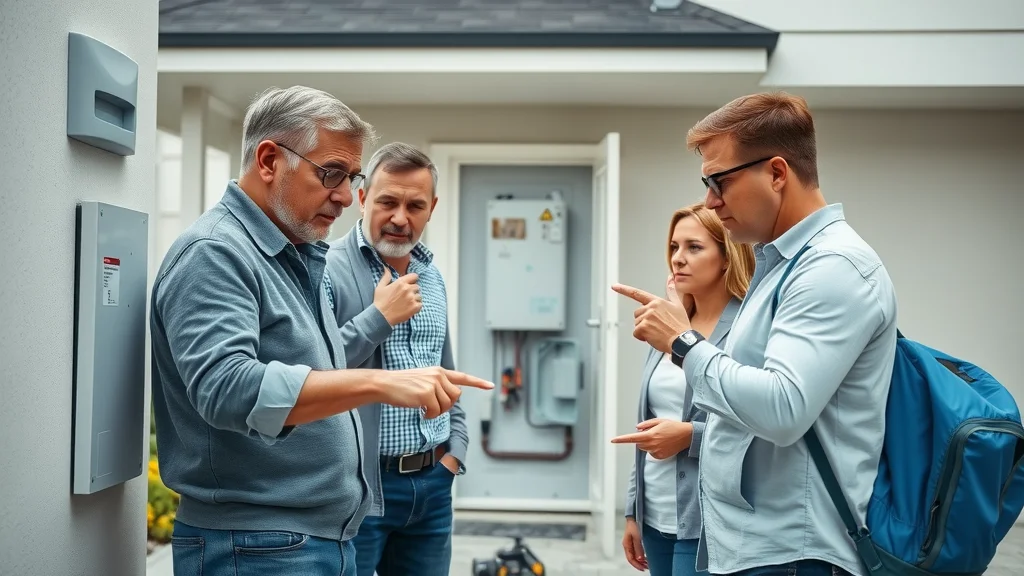
Nearly two-thirds of Canadian homes fail inspection over hidden electrical violations, from double-tapped breakers to missing GFCI protection. Before you list your home or renew insurance, find out which fixes could save your sale.
Key Takeaways
- Common home inspection failures include improperly grounded outlets, overloaded circuits, missing GFCI and AFCI protection, double-tapped breakers and aluminum wiring left over from decades-old construction
- During 2020-2024, U.S. fire departments responded to an estimated annual average of 46,652 home electrical structure fires, making prompt fixes a safety issue as much as a paperwork one
- Ontario’s Electrical Safety Authority enforces the Canadian Electrical Code and can require corrections before a sale or occupancy closes
- Fixing violations before listing a home typically costs far less than emergency repairs after a failed inspection, though the exact savings depend on the scope of work
- A step-by-step approach to correcting flagged issues, plus knowing when to call a licensed electrician, can keep a real estate transaction on track
Buying or selling a home in Oakville, Mississauga, Burlington or Etobicoke often comes down to what an inspector finds behind the walls and inside the panel. Electrical code violations rank among the most common issues flagged during home inspections, and left unresolved, they can delay closings, worry buyers, or trigger insurance headaches. This guide walks through what inspectors look for, why the rules exist, and how to fix problems before they derail a sale.
US Fire Departments Report 46,652 Annual Home Electrical Fires
During 2020-2024, U.S. fire departments responded to an estimated annual average of 46,652 home electrical structure fires. That number represents real property loss and real risk to families, a genuine safety concern reflected in inspection findings. Electrical fires often start quietly, sparked by a loose connection or an overloaded circuit that nobody notices until it’s too late.
For homeowners and buyers, this figure explains why inspectors take electrical systems so seriously. Nearly two-thirds of Canadian homes inspected before sale reveal at least one electrical code violation, ranging from a minor missing cover plate to a hazardous wiring setup that needs immediate attention. Crown Electric Ltd has worked with Oakville-area homeowners for decades to sort out which violations are minor paperwork issues and which ones represent genuine fire or shock risks.
Understanding these figures up front matters because it reframes electrical code compliance as a safety practice rather than a bureaucratic hurdle. Every violation on an inspection report has a reason behind it, usually tied to a documented risk of shock, fire, or equipment damage. Working through the rest of this guide should make those reasons clear, along with a practical path to fixing each one.
Why Codes Exist and Who Enforces Them
Electrical codes standardize the rules for designing, installing, and maintaining safe electrical systems across residential, commercial, and industrial properties. Without a shared rulebook, every contractor would make different judgment calls about wire gauge, breaker sizing, and grounding methods, and homeowners would have no reliable way to know if their system is actually safe. Codes solve that problem by setting a consistent baseline that inspectors, electricians, and insurers can all point to.
CEC Standards and Ontario’s ESA
The Canadian Electrical Code, developed by the Canadian Standards Association, serves as the national benchmark for safe electrical installation and product use across the country. It becomes enforceable once adopted by individual provinces and territories, which is where regional authorities step in. In Ontario, the Electrical Safety Authority is the independent organization responsible for enforcing safety laws and reducing the risk of electrical injuries, fires, and fatalities, with its authority coming directly from provincial legislation.
The ESA doesn’t jump straight to penalties when it finds a problem. It uses a progressive approach to compliance, moving from informing and education toward administrative penalties or, in more serious cases, prosecution in Provincial Offences Court. Operating an electrical contracting business without a licence, or willfully skipping the notification of work required for permitted projects, are among the violations the ESA actively targets as part of its work against the underground economy. That layered enforcement approach gives homeowners room to correct issues before facing serious consequences, provided the problems get addressed promptly.
Most-Flagged Violations Inspectors Find
Home inspectors work through a checklist that touches the main panel, branch circuits, outlets, and fixtures, comparing each component against current code requirements. Certain issues show up far more often than others, and recognizing them ahead of a sale can save weeks of back-and-forth with a buyer’s agent.
Grounding, GFCI and AFCI Gaps
Ungrounded outlets, which lack the third grounding hole, increase the risk of electrical shock, hidden fire risks, and can damage sensitive modern electronics plugged into them. Older homes built before three-prong outlets became standard are the most likely culprits, and inspectors flag these almost automatically. The fix usually involves rewiring the outlet to a proper ground or, in some cases, upgrading the entire circuit.
GFCI, or Ground Fault Circuit Interrupter, protection detects current leakage and shuts power off before it can cause a shock, and the Canadian Electrical Code requires it in bathrooms, kitchens, garages, outdoor spaces, and other wet locations. AFCI, or Arc Fault Circuit Interrupter, protection watches for the electrical arcs that can spark fires. The Canadian Electrical Code requires AFCI protection for 125V, 15A and 20A circuits supplying outlets in bedrooms, living rooms, family rooms, dining rooms, dens and libraries, sunrooms, recreation rooms, closets, hallways, and similar rooms or areas. Missing either type of protection in a required area is one of the most commonly flagged violations on Canadian inspection reports.
Double-Tapped Breakers and Overloaded Circuits
Double-tapping happens when two wires get connected to a single breaker terminal that was only designed to hold one. It can cause loose connections, overheating, arcing, and fire hazards. This practice runs against national electrical code requirements and is a frequent reason inspection reports come back with a failing note on the panel.
Overloaded circuits carry their own risks: they can cause electrical fires, electrical shocks, and damage to appliances. Repeated breaker tripping is often the first warning sign. Correcting either issue means separating the wires onto their own dedicated breakers or redistributing the load across additional circuits, work that should always be handled with the power shut off at the source.
Aluminum Wiring Risks in Older Homes
Homes with aluminum wiring, particularly those built between the mid-1960s and late 1970s, carry a much higher risk of electrical fires compared to those wired with copper. Aluminum expands and contracts more than copper when heated and cooled, and that movement can loosen connections over time, increase resistance, and generate excess heat at the connection points. It’s a slow-building hazard that often goes unnoticed until an inspector or an electrician specifically checks for it.
Some insurance carriers may require an updated ESA certificate to maintain coverage for homes with knob and tube wiring, and by extension, potentially for aluminum wiring. Homeowners in Oakville and the surrounding area with a home built in that era should treat an aluminum wiring check as a priority, especially if a sale or insurance renewal is imminent.
How Violations Threaten Sales and Insurance
An electrical inspection before selling a home examines the panel, wiring, outlets, switches, and fixtures to confirm the property meets current safety standards. Electrical problems turn up more often than any other category of inspection finding, and unresolved issues give buyers grounds to renegotiate the price or walk away entirely. Lenders pay close attention too, since major electrical issues like faulty or outdated wiring are treated as serious safety hazards that can jeopardize financing.
Insurance carries its own set of consequences. Many insurers ask for proof of electrical compliance, and pending violations can lead to denied claims or cancelled policies down the line. Getting an inspection done before listing a home, rather than waiting for a buyer’s inspector to find problems, helps avoid delays, sidesteps last-minute price negotiations, and builds buyer confidence from the start.
Fixing Violations Step by Step
Working through an inspection report methodically keeps repairs organized and verifiable. A practical sequence looks like this:
- Review the inspection report and identify each specific violation
- Turn off power to the affected circuits before any hands-on work begins
- Gather the correct tools and code-compliant materials for the repair
- Correct the wiring, outlet, or breaker issue according to current code
- Test the repaired system with an outlet tester or digital multimeter
- Schedule a re-inspection if the municipality or ESA requires final sign-off
Documentation matters throughout this process. Keeping before-and-after photos, receipts for parts, and any compliance paperwork from a licensed electrician creates a paper trail that satisfies both insurers and future buyers.
Panel Upgrades and EV Charger Compliance
Some violations trace back to a panel that’s simply outdated or undersized for the home’s current load. A 100A to 200A panel upgrade in the Oakville area typically costs between $3,500 and $5,500 plus GST, and most jobs finish within a single day, factoring in the initial inspection, the required permit, installation, and a final code check.
EV charger installations bring their own compliance requirements. New EV charger installations require notification to the ESA and an inspection, and the work should be completed by a licensed electrical contractor given the high loads involved. Skipping any of those steps to save time or money risks overloading the panel or failing inspection down the line.
When to Call a Licensed Electrician
Some fixes are straightforward enough for an experienced DIYer, like replacing a cover plate or tightening a loose connection with the power off. Panel upgrades, major wiring corrections, and anything involving hazardous DIY modifications from a previous owner fall into a different category entirely.
A licensed electrician brings a few things a homeowner working alone cannot easily replicate:
- Proof of code compliance that satisfies insurers and municipal inspectors
- Familiarity with current CEC updates and ESA permit requirements
- The tools and testing equipment to confirm a repair actually resolved the hazard
- Accountability if something goes wrong after the work is done
When an inspection report lists old wiring, an overloaded panel, or anything described as a hazardous modification, bringing in a professional is the safer and often faster path to a passing re-inspection.
Five Safety Rules Homeowners Can Follow Now
A handful of habits go a long way toward keeping a home’s electrical system compliant and safe, whether a sale is pending or not.
- Always turn off power before starting any electrical work
- Use the correct type and gauge of wire for the circuit involved
- Install GFCI outlets in bathrooms, kitchens, and other wet areas
- Never overload a circuit with more appliances than it’s rated for
- Hire a licensed electrician for major repairs, panel work, or anything involving hazardous conditions
These rules sound simple, but they cover the root cause behind most of the violations inspectors flag. Following them consistently reduces the odds of a surprise finding when a home inspection eventually happens.
Proactive Fixes Cost Less Than Emergencies
Addressing electrical issues before listing a home tends to cost significantly less than scrambling to fix them after a failed inspection, since emergency pricing and rushed timelines both drive costs upward. A calm, planned repair process also gives homeowners time to shop for the right electrician, compare quotes, and confirm the work will hold up to a re-inspection.
Waiting until a buyer’s inspector flags a violation puts homeowners in a weaker negotiating position and often on a tighter deadline. Scheduling an electrical check every few years, especially for homes older than 30 years or ahead of a planned sale, catches small issues while they’re still small. For homeowners weighing next steps, working through an electrical inspection checklist with a licensed professional is a practical way to head off costly surprises before they show up on someone else’s report.