


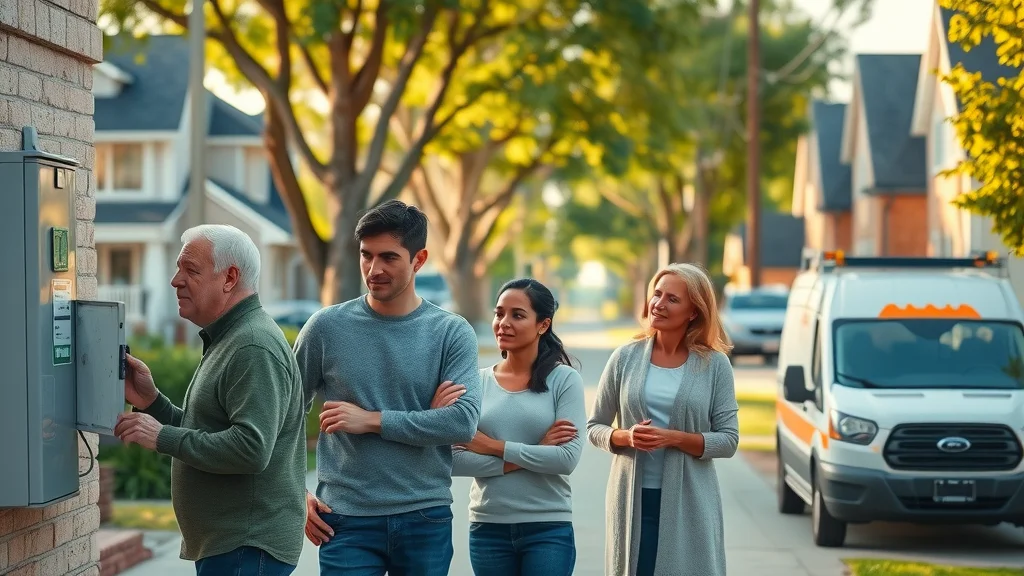
Flickering lights, tripped breakers, or an EV charger you can’t install – these could mean your panel is outdated. Learn why one panel size offers double the capacity and could save you thousands down the road.
Key Takeaways
- A 100A panel may still work for smaller, older homes with gas heat, but a 200A panel is now the common standard for homes with EV chargers, electric heating, or major renovations planned
- 200A panels typically offer far more breaker slots than 100A panels, giving homeowners the room to add circuits as their needs grow
- All panel upgrades in Ontario require an ESA permit and licensed electrician – skipping this step can create serious insurance and resale headaches down the road
- Etobicoke homeowners can expect 100A upgrades to run $1,500 to $2,500 and 200A upgrades to run $2,500 to $4,500, with the exact cost coming down to materials, labour, and home-specific factors
- Crown Electric Ltd recommends 200A panel upgrades for most modern electrical systems to keep homes safe and functional for years to come
Electrical panels rarely get a second thought until something trips, flickers, or simply refuses to power a new appliance. For homeowners across Etobicoke, understanding the gap between a 100A and a 200A panel is now less of a technical curiosity and more of a practical necessity.
Why Panel Capacity Matters Now
Homes today run far more electrical equipment than they did even a decade ago. Electric vehicles, hot tubs, central air, home offices, and smart appliances all pull power at the same time, often through a panel that was sized for a much simpler household. That growing demand makes panel capacity a safety question as much as a convenience one, since circuits can end up pushed well past their original design.
The pressure on older systems tends to build quietly. A panel installed decades ago may have handled its original load just fine, but each new appliance or renovation project adds strain that the original design never accounted for. Crown Electric Ltd has worked with Etobicoke homeowners for more than three decades to assess whether their panels can still keep pace with modern life, and capacity planning is usually where that conversation starts.
Choosing between 100A and 200A service affects more than a single upgrade decision. It shapes what a home can safely support for the next twenty or thirty years, from kitchen renovations to backup power systems. Getting this choice right the first time saves both money and disruption later.
What Your Panel Actually Does
An electrical panel is a home’s control hub. It distributes power across every room and appliance, while circuit breakers inside the panel act as the safety net, cutting power the moment a circuit draws more current than it can safely handle. Every light switch, outlet, and major appliance in a home ultimately traces back to this one box.
When a panel works well, homeowners barely notice it. Problems usually surface only once demand outpaces the system’s design, which is exactly why paying attention to warning signs matters.
Signs Your Panel Is Falling Behind
A handful of clues tend to show up before a panel truly fails:
- Frequent breaker trips, especially when running two or three appliances together
- Flickering or dimming lights, particularly when larger equipment switches on
- A need or desire for EV charger installation that the current setup cannot support
- An aging fuse box instead of a modern breaker panel
- Plans for a renovation or major new appliance that will add real load to the system
Ignoring these signs rarely makes them disappear. Overloaded circuits tend to get worse over time, utility bills creep upward, and the risk of a serious electrical fault grows the longer an underpowered panel is pushed past its limits.
100A vs 200A: The Real Difference
A 200A panel delivers roughly double the electrical capacity of a 100A panel. That extra headroom translates directly into how many devices a home can run at once without tripping breakers or straining the system. A 100A panel can typically supply enough power for a traditional home with gas heat and a modest appliance lineup. A 200A panel, meanwhile, is built to handle the layered demands of a modern household, from HVAC systems to kitchen equipment to EV charging, all running without the system flinching.
Breaker Slots and Simultaneous Loads
Capacity is only part of the story. Physical space inside the panel matters just as much, since every circuit needs its own dedicated breaker slot. A 100A panel usually offers between 20 and 24 breaker slots, while a 200A panel typically provides 30 to 42 slots, or around 40 to 42 slots when using single pole breakers. That difference means a 200A panel carries more electrical capacity while also having the physical room to support additional circuits as a home’s needs expand, whether that means a workshop, a finished basement, or a dedicated EV charging circuit.
Which Suits Older vs Modern Homes
A 100A panel may still suit smaller, older homes with gas heat, minimal major appliances, and no plans for electric vehicle charging. Homes built decades ago, before central air conditioning and home offices became standard, were often designed with this lower capacity in mind and can still function safely under the right conditions.
Modern homes, or older homes undergoing significant renovation, tend to outgrow 100A service quickly. A house adding central air, an EV charger, or a larger kitchen renovation is a strong candidate for 200A service, since it removes the guesswork around whether the system can handle everything running together. A licensed electrician can assess an individual home’s current draw and projected needs before recommending one path over the other.
Future-Proofing for EV Chargers and More
Electric vehicles are becoming a normal part of Etobicoke driveways, and Level 2 home chargers draw a significant, continuous load that many 100A systems simply were not built to handle alongside everything else in the house. Homeowners considering an EV charger, a home addition, or solar panels should think of a 200A panel as the foundation that makes all three possible without a second major electrical project down the line.
Backup generators, hot tubs, and expanded home automation systems also lean on the extra capacity a 200A panel provides. Upgrading once, with future plans in mind, tends to be simpler and less disruptive than upgrading twice as a home’s needs grow piece by piece.
What Etobicoke Upgrades Typically Cost
Budgeting for a panel upgrade depends heavily on which service size a home needs and whether the work involves an upgrade or a full replacement. For Etobicoke homeowners, a 100A panel upgrade typically runs $1,500 to $2,500, while a full 100A panel replacement starts around $1,800 to $3,000.
Stepping up to 200A service costs more, reflecting the additional materials and labour involved. A 200A panel upgrade in Etobicoke typically falls between $2,500 and $4,500, with a full 200A replacement running $2,000 to $5,000. Most full panel upgrade projects are completed in a single day, with the home losing power for roughly four to eight hours while the work is carried out. Factors like wiring condition, panel accessibility, and whether the main service line also needs upgrading can shift costs within these ranges.
Permits, ESA Rules and Licensed Work
Every electrical panel upgrade in Ontario requires a permit from the Electrical Safety Authority, and this is a legal requirement under the Ontario Electrical Safety Code, not an optional formality. A licensed electrical contractor applies for the permit before work begins, and once the installation is complete, an ESA inspector verifies that everything meets current code.
This process exists to confirm that new wiring, breakers, and connections meet the same safety standard applied across the province. Only a licensed electrician can legally perform this kind of work, which protects both the quality of the installation and the homeowner’s legal standing if anything goes wrong later.
Why Skipping a Permit Backfires
Cutting corners on permitting rarely saves money in the long run. Unpermitted electrical work can void a home insurance policy entirely, leaving the homeowner responsible for the full cost of any fire or electrical damage that follows. It can also create liability issues and complicate a home sale, since buyers and their lawyers routinely ask for proof that major electrical work was permitted and inspected.
Working with a licensed electrician from the start avoids this risk altogether. The permit and inspection process, while it adds a step, ultimately documents that the work was done to code, which matters far more the day something needs to be proven.
200A Is the Safer Long-Term Standard
Weighing everything together, a 200A panel tends to be the safer, more durable choice for most Etobicoke homes today. It offers more breaker slots, more simultaneous load capacity, and the flexibility to support an EV charger, a renovation, or a backup generator without requiring another major upgrade a few years later. 200A panel upgrades suit most modern electrical systems, and the extra capacity works as an investment in decades of safe, reliable service rather than an unnecessary expense.
Homeowners weighing this decision should think beyond current needs and consider where the household is headed over the next ten or twenty years. For a clearer picture of what an upgrade involves and what it might cost for a specific home, reaching out for a licensed electrical panel assessment is a practical first step toward a safer, more future-ready electrical system.