


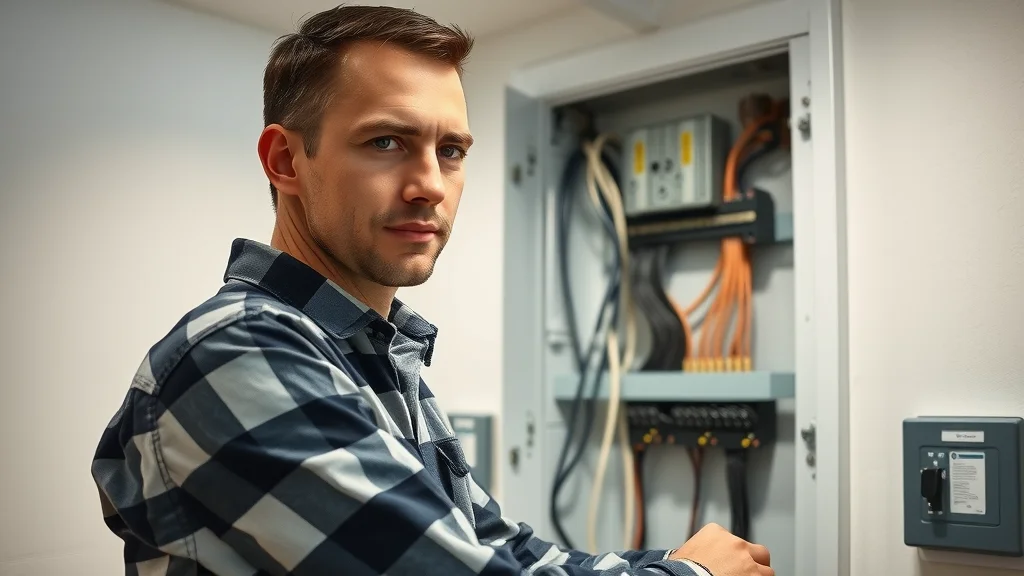
Warm outlets, tripping breakers, flickering lights – your basement could be hiding a serious electrical hazard behind that new drywall. Before you finish walls, find out which permits, panel upgrades, and code rules could make or break your renovation.
Key Takeaways
- Basement renovation wiring in Burlington must meet Ontario Electrical Safety Code rules, including proper panel capacity, ESA permits, and inspections before drywall goes up
- Electrical failures or malfunctions account for nearly 50,000 home fires in the United States each year, making proper basement wiring a safety priority alongside code compliance
- Panel upgrades for a finished basement typically run from $2,500 to $5,000 or more, while full copper rewiring can range from $4,000 to $10,000 depending on the scope of work
- In most cases, only a Licensed Electrical Contractor can pull an ESA permit for basement wiring work, though homeowners may handle limited work on their own property if they file the proper permits and schedule inspections; skipping this step can stall a renovation or void insurance coverage
- Homeowners should watch for signs like flickering lights, warm outlets, or an undersized panel before finishing a basement, since these often point to a system that needs attention first
Turning an unfinished basement into a family room, home office, or rental suite is one of the most rewarding projects a Burlington homeowner can take on. Behind every drywall panel and pot light, though, sits a network of wiring that has to carry more electrical load than most older homes were ever designed for. Getting this part right protects the household from fire risk, keeps the renovation on schedule, and satisfies the inspectors who sign off on the finished space.
Why Wiring Mistakes Endanger Your Basement
Electrical failures or malfunctions account for nearly 50,000 home fires in the United States each year, a number that puts basement wiring mistakes in a different category than a crooked shelf or a paint color regret. Basements present unique hazards because concrete floors, moisture, and enclosed framing spaces make faulty connections harder to spot and easier to ignore until something goes wrong. A licensed Burlington electrician often gets called in after a homeowner notices a warm outlet or a breaker that trips for no clear reason, and by then the wiring problem has usually been building for a while.
Overloaded circuits, loose connections, and wiring buried behind new drywall without proper protection are the most common culprits behind basement electrical fires. A finished basement hides these issues from view, so any mistake made during construction can stay hidden for years before it causes real damage. Taking the wiring stage seriously from the start, rather than treating it as an afterthought to flooring and paint, is the best way to avoid a costly and dangerous surprise down the road.
Is Your Panel Ready for a Finished Basement?
A finished basement adds lighting circuits, outlets, and often a bathroom or kitchenette, all of which draw power the original electrical panel may never have been sized to handle. Most homes in Burlington, especially older ones, run electrical systems that were installed decades before smart thermostats, home theaters, and EV chargers became part of everyday life. Before any new wiring goes in, an honest look at the existing panel answers whether the home can support the renovation or needs an upgrade first.
Signs an Older System Is Overloaded
Some warning signs show up long before a full inspection happens, and homeowners are usually the first to notice them.
- Breakers that trip repeatedly, especially when running more than one appliance at a time
- Lights that flicker or dim when something else, like a hair dryer or space heater, turns on
- Outlets or switch plates that feel warm to the touch
- A panel still using 60-amp or 100-amp service, which was common decades ago but struggles with modern demand
- A fuse box instead of a modern circuit breaker panel
Any one of these signs is worth a professional look before finishing walls or ceilings, since covering up an overloaded system only makes the eventual fix more expensive and disruptive.
Aluminum Wiring and Copper Rewiring Options
Homes built in the 1960s and 1970s in Burlington often used aluminum wiring instead of copper, a choice that made sense at the time but has since become a recognized fire risk when connections loosen or corrode. Aluminum wiring can be managed with special connectors designed to reduce overheating at junction points, which is a less invasive fix than a full rewire. Complete rewiring with copper is the more thorough option, replacing outdated wiring throughout the basement with a modern, code-compliant system that also tends to boost resale value. Whichever route fits the home, the wiring and cable types used, along with any conduit needed for exposed runs, need to match Ontario Electrical Safety Code requirements before the renovation moves forward.
ESA Permits: The Rule You Can’t Skip
Virtually all wiring done during a basement renovation in Burlington requires a permit from the Electrical Safety Authority, and this step cannot be skipped no matter how small the project feels. The permit process typically involves submitting plans, paying a permit fee, and scheduling both a rough-in inspection and a final inspection once the work is complete. Skipping this step risks a fine and can also mean an insurance claim gets denied later if unpermitted wiring is found to have caused damage.
Who Can Legally Pull the Permit
In most cases, only a Licensed Electrical Contractor can pull an ESA permit for basement wiring work in Ontario. Homeowners may perform limited electrical work on their own property if they file for the proper permits and schedule inspections with the ESA themselves, but the rules are strict, and this allowance does not apply to rental units or secondary suites. Given how much can go wrong with a mistake buried behind drywall, hiring licensed residential electrical services for anything beyond the simplest task is the safer, more practical choice for most homeowners.
Code Musts: GFCI, AFCI, IC-Rated Lights, Alarms
A few code requirements come up again and again in basement renovation projects, and each one exists for a specific safety reason.
- GFCI (ground-fault circuit interrupter) protection is required for outlets near concrete floors or anywhere moisture could be an issue
- AFCI (arc-fault circuit interrupter) protection is required for living spaces and bedrooms to catch dangerous arcing before it starts a fire
- Any recessed light touching insulation above a finished basement ceiling must be IC-rated, meaning it is safe for direct insulation contact
- Smoke alarms are required on every level of the home, including the basement, and carbon monoxide alarms are required on any storey with a fuel-burning appliance
- Outlets along finished basement walls generally need to be spaced no more than 6 feet apart to reduce reliance on extension cords
Meeting these requirements is what stands between a passed inspection and a project that stalls partway through.
What Basement Electrical Work Really Costs
Electrical costs for a basement renovation vary quite a bit depending on the home’s age, how much of the existing system needs replacing, and whether a panel upgrade is part of the plan. A basic electrical upgrade covering things like new outlets, switches, and minor wiring repairs generally falls between $1,500 and $3,500. Panel upgrades, which install a new 100-to-200-amp panel to handle the added electrical load of a finished basement, typically run from $2,500 to $5,000 or more.
Complete rewiring with copper, often chosen for older homes with aluminum wiring or outdated systems, ranges from $4,000 to $10,000 depending on the extent of the work. Homeowners planning to add an EV charger alongside their basement renovation should expect a combined electrical upgrade and charger installation to cost between $5,000 and $12,000, since this involves a panel assessment, new branch circuits, and GFCI protection on top of the standard upgrade work. Getting a written estimate before work begins is the clearest way to see where a specific project falls within these ranges.
Hiring a Licensed Electrician for the Job
Choosing the right professional for basement wiring work matters as much as choosing the right materials. A licensed electrician carries a 7-digit ECRA/ESA number that has to appear on business cards, trucks, and written estimates, and this number confirms the contractor is authorized to pull the permits the job requires. Experience with basement renovations specifically, rather than general electrical work, is also worth confirming, since basements bring unique challenges around moisture, ceiling height, and panel capacity that other rooms in the house do not.
Questions to Ask Before Signing
A short list of questions before signing any agreement can save a lot of frustration later.
- What is your ECRA/ESA license number, and can I verify it?
- Will you handle the ESA permit application and schedule the required inspections?
- Does the written estimate include labor, materials, permit fees, and any recommended safety upgrades?
- What is the expected timeline, and how does that change if a panel upgrade turns out to be necessary?
- Do you carry insurance in case something goes wrong during the project?
A contractor who answers these questions clearly and without hesitation is generally one worth trusting with the job.
Safe Wiring Protects Your Home and Investment
A finished basement is only as safe as the wiring hidden inside its walls, and that wiring also protects the money and effort poured into the renovation. Proper panel capacity, a valid ESA permit, and code-compliant details like GFCI protection and IC-rated lighting are the foundation that lets a homeowner enjoy the new space without worrying about what is happening behind the drywall. Crown Electric Ltd has served Burlington and the surrounding communities since 1991, and that long track record with local homes reflects how much a properly wired basement adds to both safety and long-term home value.
Getting the wiring right from the start, with the correct permits in hand and a licensed professional on the job, turns a basement renovation from a source of worry into a source of pride. For homeowners ready to move forward, working with an experienced Burlington electrician is the most reliable way to keep a project on track and fully code-compliant from day one.