


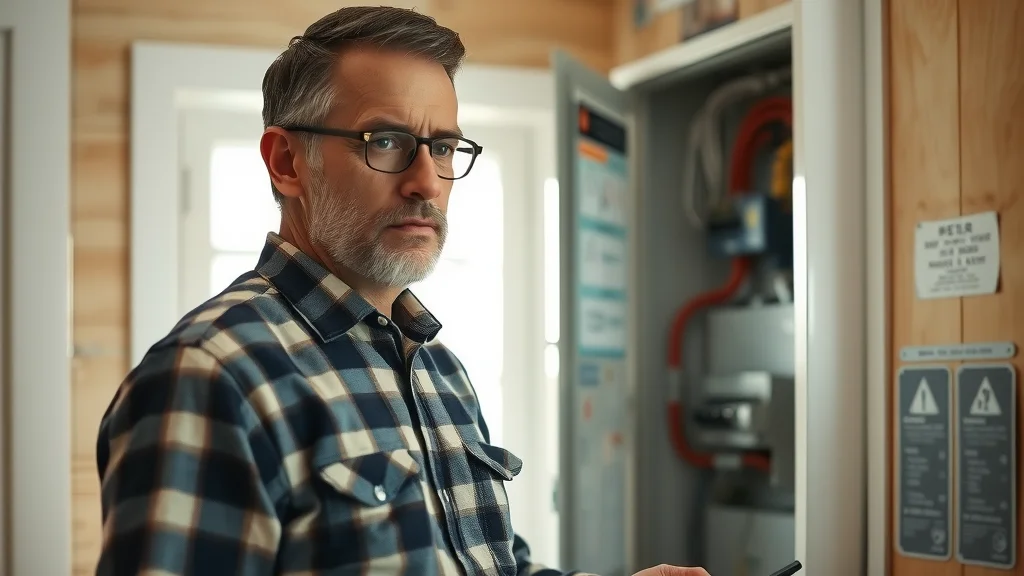
Flickering lights, tripped breakers, a faint burning smell – your panel might be quietly warning you before disaster strikes. Thousands of home fires trace back to outdated electrical panels each year. Here’s how to know if yours is next.
Key Takeaways
- Electrical failures and malfunctions, including those linked to outdated panels, are associated with thousands of residential fires every year, making upgrades a safety priority for Burlington homeowners
- Warning signs like frequent breaker trips, flickering lights, and outdated fuse boxes signal a panel may be overdue for replacement
- Ontario law requires a Licensed Electrical Contractor with a 7-digit ECRA/ESA number to perform any panel upgrade, and permits plus inspections are non-negotiable
- Residential panel upgrades in Ontario typically range from $2,000 to $5,000, with the physical swap usually done within a single day, though the full project including permits and utility scheduling can take one to three weeks
- Crown Electric Ltd has served Burlington and nearby communities since 1991, offering a look at what the upgrade process actually involves from first call to final inspection
A home’s electrical panel works quietly behind the scenes until it can’t keep up anymore. For Burlington homeowners, understanding when and why to upgrade that panel touches on safety, insurance, resale value, and readiness for the electric vehicles and smart devices becoming standard in daily life.
Outdated Panels Cause Thousands of Fires
Electrical failures and malfunctions, including those linked to outdated panels, are associated with thousands of residential fires every year. That statistic alone should give any homeowner pause, especially in a city like Burlington where a large share of the housing stock predates modern electrical standards. Panels that were adequate decades ago were not built to handle today’s mix of appliances, electronics, and charging equipment.
Overloaded or aging panels create real hazards beyond the risk of fire. Electrical shorts, unexpected power failures, and damaged circuit protections all become more likely as a panel ages past its intended service life. Upgrading a panel saves lives and property, and for many households, it turns out to be one of the more important home improvements they ever complete. Crown Electric Ltd has spent decades helping Burlington homeowners recognize these risks before they turn into emergencies, offering a useful perspective for anyone unsure whether their panel still measures up.
Signs Your Panel Needs an Upgrade
Panels rarely fail without warning. Most give off subtle clues long before a serious problem develops, and learning to spot them can prevent costly damage down the road.
- Breakers that trip frequently, especially when running everyday appliances
- Lights that flicker or dim without an obvious cause
- An outdated fuse box instead of a modern circuit breaker panel
- Warm or discolored outlet covers, or a faint burning smell near outlets
- New electrical demands, such as adding an EV charger, hot tub, or major appliance
Homes built before 1990 are more likely to have outdated panels that no longer meet current residential safety codes, since electrical demand from appliances and electronics keeps climbing in the average household. That gap between what an older panel supplies and what a household actually needs is exactly what drives most upgrade requests. Any home showing several of these signs at once deserves a professional inspection sooner rather than later.
Why Upgrading Improves Safety and Value
A panel upgrade does more than eliminate immediate hazards. It resets the entire electrical system’s capacity, giving a home breathing room for years of future use while reducing the everyday risks tied to overheating and strained circuits.
Meeting Modern Power Demands and EV Chargers
Modern electrical panels are built to accommodate the power needs of today’s advanced appliances and devices, which leads to smoother, more reliable operation across the whole system. This matters especially as more Burlington households add electric vehicles to the driveway. A 200-amp panel has become a common choice for modern homes because it comfortably supports high-demand additions like EV chargers, hot tubs, and home additions without straining the rest of the circuit load. Homes undergoing renovations or additions often find their existing electrical system cannot keep pace with the new demand, making an upgrade a practical requirement rather than an optional extra.
Increasing Property Value
An electrical panel upgrade can meaningfully increase a property’s value, since buyers and tenants consistently look for modern, reliable electrical systems when evaluating a home. A dated panel can raise red flags during a home inspection, slow down a sale, or become a bargaining chip that works against the seller. A documented, code-compliant upgrade signals that a home has been well maintained and is ready for whatever the next owner plans to plug in.
ESA Rules Every Burlington Homeowner Must Follow
Electrical work in Ontario is governed by strict provincial rules, and panel upgrades sit squarely under that oversight. The Electrical Safety Authority, or ESA, enforces the Ontario Electrical Safety Code, and skipping its requirements carries consequences that go well beyond a slap on the wrist.
Permits and Inspection Requirements
Every electrical panel upgrade in Ontario requires a permit from the ESA before any work begins. A licensed electrician applies for that permit, completes the work as a Licensed Electrical Contractor, and then an ESA inspector verifies the installation meets current code before issuing a Certificate of Inspection. This sequence exists to catch mistakes before walls get closed up again. Homeowners technically have the right to do their own electrical work in Ontario, but even then, the work must follow the Ontario Electrical Safety Code and get reviewed by the ESA once finished, so the permit and inspection steps are never optional.
Why Unpermitted Work Risks Your Insurance
Skipping the permit process might feel like it saves time, but the risk lands squarely on the homeowner later. Insurance companies routinely ask for inspection records if a home sells, suffers fire damage, or experiences any kind of electrical incident. Without a Certificate of Inspection on file, a claim can be denied outright, leaving the homeowner responsible for repairs that a policy should have covered. Municipalities can also refuse to sign off on renovations tied to unpermitted electrical changes, which can stall a sale or a remodel at the worst possible moment.
Choosing a Licensed Burlington Electrician
Given the stakes, picking the right professional for a panel upgrade matters as much as the upgrade itself. A few clear credentials separate a properly licensed contractor from someone offering to cut corners on price.
What the ECRA/ESA Number Confirms
Only a Licensed Electrical Contractor with a 7-digit ECRA/ESA number may legally perform electrical work in Ontario. That number has to appear on business cards, service vehicles, and written estimates, and it confirms the contractor has met the ESA’s requirements and can legally pull the permits a project needs. Homeowners should ask to see this number directly before signing any agreement, since a reputable contractor will provide it without hesitation. Permitted work gets inspected, and inspected work is far less likely to hide a dangerous fault behind a freshly patched wall.
Master Electrician Qualifications Explained
Behind every LEC number sits at least one Master Electrician responsible for overseeing the work, and reaching that title takes years of demonstrated competence. Candidates need a minimum of three years of experience as a journeyperson electrician and must pass the Master Electrician exam within the previous 12 months. That exam, offered only through the ESA, is an open-book, multiple-choice test made up of 80 questions, with the Ontario Electrical Safety Code, Worker Safety, and Business Administration sections weighted equally. Passing requires an overall score of at least 70%, plus a minimum of 60% in each of the three sections, a standard that confirms a Master Electrician understands the code, runs a safe job site, and manages a compliant business.
Before that designation, the broader path to becoming a licensed electrician in Ontario involves a lengthy apprenticeship split between on-the-job training and in-class instruction, followed by passing the Certificate of Qualification exam. That length of training explains why licensed work costs more than an unlicensed handyman quote, and why the difference is worth paying for.
Panel Upgrade Costs and Timelines
Budgeting for a panel upgrade is easier once the typical ranges are laid out clearly. Residential electrical panel upgrades in Ontario typically range from $2,000 to $5,000, depending on the scope of work, the amperage increase involved, and whether additional wiring or a meter base replacement is needed. Commercial and industrial electrical service upgrades cost considerably more, reflecting larger service capacities and more complex project management those jobs demand.
The actual panel swap typically takes four to eight hours within a single day, but the full project, including permits and utility scheduling, often runs one to three weeks from start to finish. Getting a detailed, written estimate from a licensed contractor before work begins remains the best way to avoid surprise costs partway through the project.
What to Expect During the Upgrade Process
A well-run panel upgrade follows a predictable sequence, and knowing the steps ahead of time helps homeowners feel less in the dark about what’s happening in their own house.
- A licensed electrician conducts an on-site assessment of the existing panel, wiring, and overall system demand.
- The contractor provides a written proposal outlining the scope of work, schedule, and cost.
- The electrician applies for the required ESA permit before any work begins.
- Main power is disconnected, the old panel is removed, and wiring is rerouted where needed before the new panel is installed to code.
- All connections are tested and verified, followed by an ESA inspection to confirm the work meets current safety standards.
This structure protects both the homeowner and the contractor, since every step gets documented along the way. A short power outage during the swap is normal and expected, and a professional crew will coordinate timing to minimize disruption to the household.
A Panel Upgrade Protects Your Home for Years
A panel upgrade is easy to put off since the old one still technically works, until the day it doesn’t. Treating it as routine maintenance rather than an emergency repair gives homeowners the chance to plan the project on their own timeline, choose a properly licensed contractor, and budget accordingly rather than scrambling after a breaker fails during a heat wave.
The payoff extends well past the day the inspector signs off. A modern, code-compliant panel supports the appliances, electronics, and EV chargers a household is likely to add over the next decade, while also giving future buyers one less thing to worry about at resale. For homeowners ready to take the next step, scheduling a panel assessment with a licensed Burlington electrician is a practical way to find out exactly where a home’s electrical system stands today.