


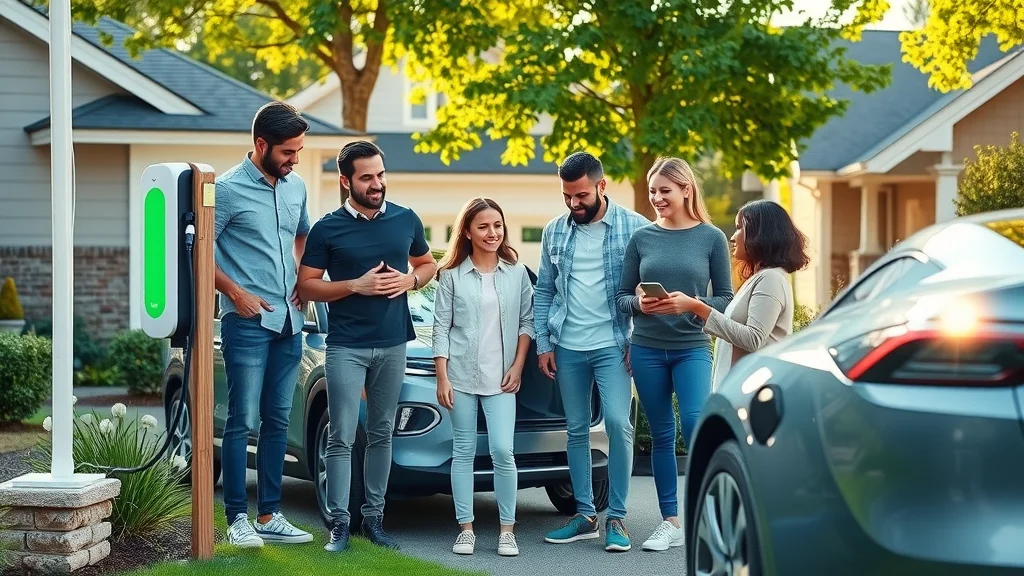
With EV ownership up 35% in Burlington, homeowners are racing to install home chargers – but two hidden factors can turn a same-day job into a weeks-long wait. Here’s what determines your timeline before you even book.
Key Takeaways
- Most home EV charger installations in Burlington wrap up in a single day unless a panel upgrade is needed
- Having electrical panel details, home layout, and charger preference ready before booking helps avoid delays during the process
- Ontario law requires an electrical permit and an ESA inspection for every home or business EV charger installation
- A turnkey Level 2 charging station typically runs $1,200-$2,800 installed, and a residential rebate may help offset the cost
- Panel upgrades and permit processing are the two biggest factors that can slow down an otherwise fast installation
Burlington drivers switching to electric vehicles usually want one thing above all else: a working home charger, installed fast and installed right. Getting there quickly depends less on luck and more on understanding how the process actually works, and what to have ready before the first phone call. This guide walks through the booking process, the steps that determine speed, and the details worth preparing in advance.
Burlington’s EV Boom Demands Fast Chargers
Electric vehicles have gained ground steadily across Burlington. More than 20% of vehicles registered in the city in 2023 were electric or hybrid, and Burlington saw a 35% jump in EV ownership between 2022 and 2023, a pace that outstripped many other Ontario cities.
That growth puts real pressure on home charging infrastructure. Public charging stations help in a pinch, but daily reliance on them is inconvenient for most drivers. Home charging is the piece that makes electric vehicle ownership practical for the long haul, which is why so many households and businesses are lining up installations rather than waiting. Crown Electric Ltd has watched this shift firsthand across Oakville, Mississauga, Burlington, and Etobicoke, and points to a clear pattern: the fastest installs happen when homeowners understand the process and show up prepared.
What Actually Determines Install Speed
Two factors control how quickly a charger goes from idea to working equipment: the condition of the electrical panel and how fast local permitting moves. Everything else in the process, from scheduling a technician to mounting the hardware, tends to move at a predictable pace once those two pieces are settled.
Panel Upgrades Add the Most Delay
A Level 2 charger, the kind almost every Burlington homeowner installs for daily use, needs a 240-volt circuit and a panel with enough spare capacity to handle it safely. Older homes, or homes already running several high-draw appliances, sometimes lack that headroom. When a panel upgrade becomes necessary, it adds real time to the project, since new breakers, wiring, and sometimes a full panel swap have to happen before the charger itself gets connected.
Homes with modern panels and available capacity skip this step entirely, which is a major reason some installations wrap up same-day while others stretch out. A quick panel assessment early in the process reveals which category a property falls into, so there are no surprises once installation day arrives.
Permit Processing Sets the Pace
Ontario law requires an electrical permit for every home or business EV charger installation, without exception. That permit gets filed with the Electrical Safety Authority, and the pace of approval can shift the overall timeline more than almost any other single factor. A straightforward job in a municipality with efficient permit processing can move from estimate to inspection in less than a week, while slower processing windows push things out further.
This is exactly why installer experience matters here: electricians who file permits regularly tend to know what documentation clears fastest and avoid the back-and-forth that stalls a project. Choosing a licensed, experienced electrical contractor from the start keeps this stage from becoming the bottleneck.
The Streamlined Booking Process
A well-run installation follows a predictable rhythm from first contact to final sign-off. Knowing what each stage involves helps homeowners and business owners set realistic expectations and spot delays before they happen.
Consultation and Written Estimate
The process typically opens with a consultation, either over the phone or in person, where the electrician asks about the property’s electrical setup, the charger being considered, and where it will be installed. That conversation leads to a written estimate, giving a clear picture of expected costs before any commitment is made. A transparent estimate at this stage, covering hardware, labor, and anticipated panel work, prevents budget surprises later in the project.
Panel Assessment and Permit Filing
Once the estimate is approved, the electrician conducts a hands-on assessment of the electrical panel to confirm capacity and identify the best charger placement. This is also when the permit gets filed with the ESA. Handling the assessment and the paperwork close together, rather than in separate visits, is one of the simplest ways to shave days off the overall timeline.
Install Day and ESA Inspection
With the permit approved, installation day involves mounting the charging station, running the wiring, connecting it to the panel, and testing the system for safe operation. Most residential jobs finish within a single day, provided no panel upgrade is required. A final ESA inspection closes out the process, confirming the work meets Ontario’s electrical safety code and giving the homeowner documentation worth keeping for insurance or future resale.
Electrical Details to Have Ready
Homeowners who gather a few key pieces of information before the first call tend to move through the entire process faster. Coming prepared turns a project that might otherwise require several visits into one clean, single-path process.
- The home’s current panel size (commonly 100A or 200A) and its approximate age
- The distance between the electrical panel and the intended charger location, such as a garage or driveway
- Whether any recent renovations or additions have changed the home’s electrical load
- The preferred charger model or brand, if one has already been chosen
- Whether the property is a single-family home, a multi-unit residential building, or a commercial space, since each has different capacity needs
Having this information ready lets the electrician give a more accurate estimate on the first call and reduces the chance of a second site visit just to gather details that could have been shared upfront.
Typical Costs and Available Rebates
Cost is often the first question homeowners ask, and the answer depends mostly on whether panel work is involved. A turnkey Level 2 charging station installation in Burlington typically falls between $1,200 and $2,800, a figure that covers hardware, labor, and typical panel work for a standard residential job. Commercial and multi-unit properties usually see higher costs, since they often need larger capacity upgrades to support multiple vehicles charging at once.
Rebates can meaningfully offset that investment. A residential rebate is available for installing a Level 2 charger at home, with a separate, larger rebate available for workplace charging stations. Checking eligibility and required documentation before installation day helps make sure the paperwork lines up with what the rebate program expects.
Why Installer Experience Cuts Wait Time
An experienced electrician brings more to the table than technical skill with wiring and breakers. Familiarity with local permitting quirks, common panel configurations found in Burlington’s housing stock, and typical inspection requirements all add up to fewer delays. Electricians who have handled dozens of similar installs tend to anticipate complications, such as an undersized panel or a tricky wiring run, before they turn into holdups mid-project.
This kind of experience also shows up in how smoothly the paperwork moves. Installers who regularly file ESA permits know exactly what documentation clears review quickly, which keeps the project on schedule rather than stuck waiting on a resubmission. For anyone comparing electricians, asking directly about recent EV charger projects and permit turnaround times is a reasonable and useful question.
Preparation Is the Real Shortcut
Speed in EV charger installation rarely comes down to finding an electrician who works faster in the literal sense. It comes down to reducing the number of unknowns before the project starts: a clear estimate, a panel that’s already been assessed, a permit filed promptly, and a homeowner who has the right details ready to share. Each of these pieces removes a potential delay, and together they turn a process that could stretch across weeks into one that often finishes in days.
Burlington’s growing EV community has plenty of reason to move quickly, from rebate deadlines to simply wanting a reliable way to charge overnight. For homeowners and businesses ready to start the process, preparing panel details and charger preferences ahead of time remains the most reliable way to get from first call to fully charged in the shortest time possible. Booking a licensed EV charger installation with these details in hand is the most practical way to keep the project moving without unnecessary delay.