


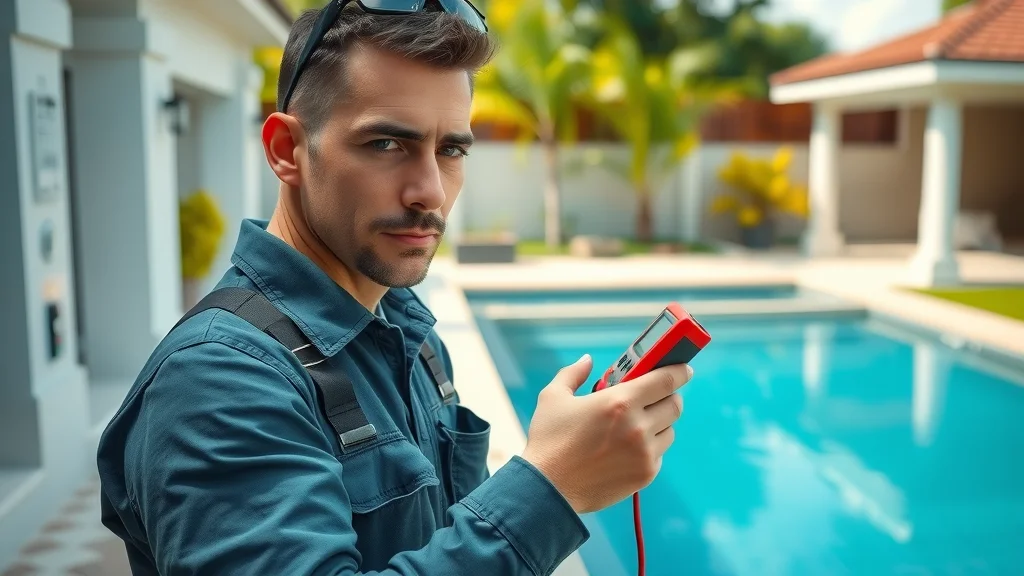
Planning a pool or hot tub in Oakville? One overlooked wiring mistake could void your warranty, tank your insurance claim, or worse – spark a hazard near the water. Here’s what the code actually requires.
Key Takeaways
- Improper wiring or non-compliance with local codes is behind a large share of electrical incidents around pools and hot tubs in Oakville, making professional installation the safer choice
- Ontario’s Electrical Safety Code sets specific rules for GFCI placement, dedicated circuits, bonding, and disconnect switches near pools and hot tubs
- Hot tub wiring in Oakville typically costs between $1,200 and $2,800, depending on setup and complexity
- DIY wiring near water risks electrical shock, fire, voided warranties, and denied insurance claims
- Crown Electric Ltd handles permits, bonding, and code-compliant installation for pool and hot tub electrical systems across the region
Adding a pool or hot tub to a backyard in Oakville is exciting, but the electrical work behind the scenes deserves just as much attention as the water itself. Improper wiring and gaps in code compliance are common causes of electrical incidents around pools and hot tubs, which is exactly why cutting corners on this kind of project simply is not worth the risk. Understanding the basics before hiring an electrician helps homeowners ask the right questions and recognize a job done properly.
The Real Dangers of Pool Electrical Work
Water and electricity have never mixed well, and pools amplify that danger considerably. A fault that might cause a minor shock in a dry living room can become life-threatening near a pool deck, where wet skin and standing water dramatically increase conductivity. Electrical faults around pool equipment, including pumps, heaters, and underwater lighting, can lead to serious shock hazards or spark fires if wiring is damaged, corroded, or simply installed incorrectly.
The stakes climb even higher because pool areas see constant exposure to moisture, chlorine, and temperature swings that wear down materials faster than typical household wiring. Junction boxes, conduits, and switches need weatherproofing that holds up season after season, not on installation day alone. When that protection fails, the resulting short circuits or corrosion can go unnoticed until someone gets hurt.
Why DIY Wiring Puts You at Risk
Tackling pool or hot tub wiring as a weekend project might look like a straightforward way to save money, but the risks stack up quickly. Electrical work around water ranks among the most hazardous jobs a homeowner can attempt, since even a small mistake in grounding or wire selection can lead to electrocution or fire. Beyond the physical danger, DIY wiring creates ripple effects that hit a household’s finances and standing long after the work is finished.
- Electrical shock and fire hazards from incorrect grounding, undersized wiring, or missed weatherproofing
- Voided warranties, since hot tub manufacturers often require proof of installation by a licensed electrical contractor before honouring component coverage
- Insurance claim denials, as most home insurance policies won’t pay out for damage tied to uninspected or unpermitted electrical work
These consequences show why professional installation protects a household’s safety, investment, and legal standing all at once, rather than simply satisfying a rulebook.
Ontario’s Electrical Code for Hot Tubs
The Ontario Electrical Safety Code lays out detailed standards designed to prevent shocks, protect a home’s existing wiring, and keep pool and hot tub equipment running reliably for years. These rules cover everything from how power reaches the equipment to how nearby metal objects get tied into the safety system. Because a hot tub installation counts as a major electrical project, it requires an Electrical Safety Authority permit before any work begins, which means a certified inspector reviews and documents the job for future property records.
Permits, Disconnect Switches and Dedicated Circuits
Most standard 240-volt residential hot tubs need a dedicated circuit rated for 40, 50, or 60 amps, meaning no other lights, appliances, or outdoor outlets can share that line. Sharing a circuit with other devices violates code and creates a real risk of overload during peak use. Code additionally requires a disconnect switch positioned within sight of the tub but set back at least 1.5 metres (5 feet) from the water’s edge, so it stays reachable in an emergency without anyone needing to stand right next to the water.
All spa power lines must also pass through a Class A Ground Fault Circuit Interrupter (GFCI), a device that cuts power within milliseconds if it senses a current leak. The Ontario Electrical Safety Code requires this GFCI to sit no closer than 3 metres (10 feet) from the surface of the water, or to be positioned behind an obstruction such as a hedge or fence, keeping it well clear of splash zones while remaining reachable for maintenance.
Bonding and Grounding Requirements
Bonding and grounding form the backbone of pool and hot tub electrical safety, working to prevent shock hazards and protect equipment from damage. The tub’s pump, heater, any metal ladder or rail, and conductive surfaces within 1.5 metres of the tub all need to connect into an equipotential bonding grid, which stops dangerous voltage differences from building up between surfaces someone might touch.
The 2024 Ontario Electrical Safety Code introduced updated pool and hot tub bonding rules under Rule 68-058, requiring a copper ring and grid built with No. 6 AWG bare copper conductor, and any notification of work filed on or after October 1, 2025 must meet this revised standard. This update reflects how seriously the province treats pool safety, and it means older bonding methods no longer meet the current standard for new notifications filed after that date.
Compliance Mistakes That Cost Homeowners
Even homeowners who research their project carefully can miss requirements that only a trained eye catches. Some of the most common compliance mistakes include:
- Incorrect wire gauge selection that leaves circuits undersized for the equipment’s actual load
- Improper bonding or grounding of pumps, heaters, and metal fixtures near the water
- Inadequate GFCI installation, including placement too close to or too far from the tub
- Overloaded panels or shared circuits that were never designed to handle a hot tub’s draw
- Insufficient weatherproofing on junction boxes and conduits, which invites corrosion and short-circuiting over time
Beyond the electrical code itself, the Town of Oakville’s Pool Enclosure By-law adds another layer of requirements, including a pool enclosure permit before any construction begins and minimum standards for enclosure height, distance from the water’s edge, and locking gates. Hot tubs do not need a permit or pool enclosure when equipped with a substantial cover capable of holding 200 pounds, permanently fixed to the structure, and locked whenever the hot tub is not in use. A permit is required for any pool depth exceeding 60 centimetres (2 feet). Missing any one of these pieces can mean failed inspections, forced rework, or fines down the road.
Finding a Qualified Electrician
Choosing the right electrician for this kind of project means looking well past a basic licence. Licensed electricians in Oakville are certified by the Electrical Safety Authority, which confirms their work meets Ontario’s strict safety codes from start to finish. That certification matters because a properly credentialed electrician handles the permitting process directly, ensuring every step from wire selection to final inspection lines up with code requirements.
Homeowners comparing electricians for pool or hot tub wiring should look for a few specific traits:
- Verified ESA certification and an active electrical contractor’s licence
- Documented experience with pool and hot tub projects specifically, not just general residential wiring
- Familiarity with Oakville’s local by-laws and permit processes
- Responsive service for troubleshooting or emergency repairs once the system is up and running
A licensed professional also protects homeowners from liability tied to poor workmanship, reducing the odds of a hazard surfacing months or years after installation.
What Hot Tub Wiring Costs in Oakville
Budgeting for hot tub electrical work depends on a few variables, including how far the wiring run is from the panel, how accessible the installation site is, and whether any panel upgrades are needed to support the new circuit. Hot tub wiring in Oakville typically costs between $1,200 and $2,800, covering a complete setup including GFCI protection and proper bonding.
Homes with an older panel or one already near capacity may need additional upgrades before a hot tub can safely draw power, which adds to the overall project cost. Getting a written estimate after an in-person inspection remains the most reliable way to understand what a specific property will need, since remote quotes rarely account for the condition of existing wiring or panel capacity.
Professional Wiring Protects Your Investment
Pool and hot tub ownership represents a meaningful investment, and the electrical system behind it deserves the same level of care as the equipment itself. Professional installation protects that investment on multiple fronts: it keeps manufacturer warranties intact, satisfies insurance requirements, and prevents the kind of costly rework that comes from failed inspections or non-compliant wiring. Crown Electric Ltd provides full-service hot tub and pool wiring solutions, including new installations, upgrades, and repairs, serving Oakville, Burlington, Milton, Mississauga, and the wider Greater Toronto region. Anyone weighing a new pool or hot tub project can find more detail on the process at Crown Electric Ltd.
Working with a certified electrician from the start also means fewer surprises later, since permits, bonding, and inspections all happen in the proper order rather than being retrofitted after the fact. That approach saves time, protects safety, and keeps a backyard upgrade feeling like a good decision for years to come. For homeowners ready to move forward, starting the conversation with a qualified electrician for pool and hot tub wiring is the most reliable way to keep the project safe, compliant, and built to last.