


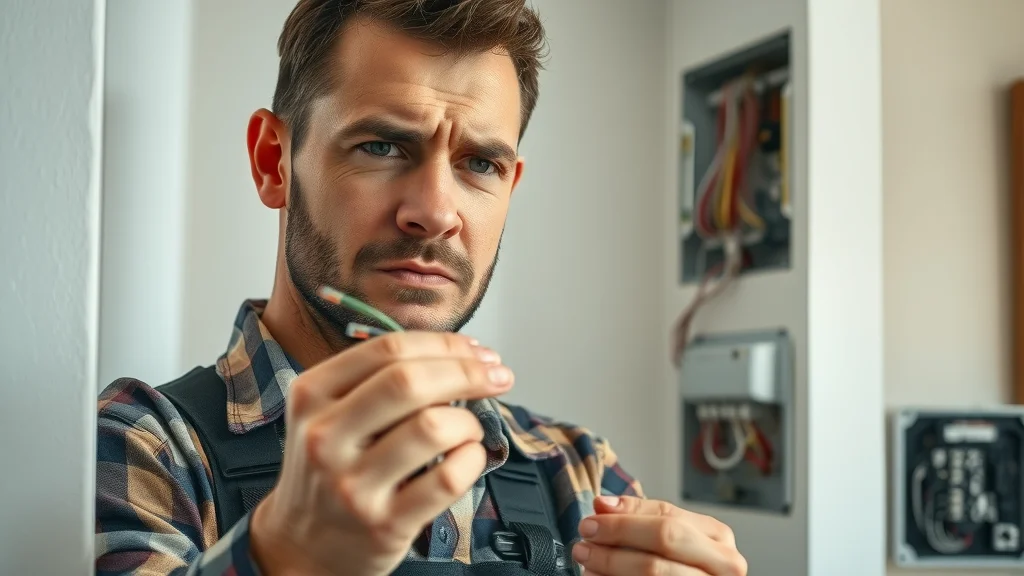
If your Oakville or Mississauga home was built in the 1960s or 70s, hidden wiring behind your walls could be 55 times more likely to spark a fire – and insurers are now demanding proof it’s fixed.
Key Takeaways
- Homes wired with aluminum manufactured before 1972 face a fire hazard risk 55 times higher at connection points than copper-wired homes
- Aluminum wiring was widely installed in Canadian homes from the mid-1960s through the late 1970s because of high copper prices at the time
- SGI Canada requires an electrical compliance inspection before issuing or renewing a policy on a home with aluminum wiring, and Aviva Canada requires an inspection confirming the home passed safety requirements with the electrical box meeting a minimum of 100 amps of service
- Full copper replacement and approved connectors like COPALUM and AlumiConn both offer paths to a safer, more insurable home, with costs and disruption levels that differ significantly
- Watching for warning signs like warm outlets, flickering lights, and discoloured switch plates can catch a problem before it becomes a costly emergency
Homes built between the mid-1960s and late-1970s across Oakville, Mississauga, Burlington, and Etobicoke often share a hidden trait: aluminum wiring tucked behind the walls. For decades this wiring did its job quietly, but insurers and safety authorities now treat it as a serious red flag that homeowners cannot afford to ignore.
55x Higher Fire Risk in Pre-1972 Wiring
Homes wired with aluminum manufactured before 1972 are 55 times more likely to face a fire hazard at a connection than homes wired with copper, according to the U.S. Consumer Product Safety Commission. That figure sounds alarming because it is meant to be. Aluminum reacts to heat and cold differently than copper, and every time a connection point expands and contracts through Ontario’s seasonal swings, the wire nudges further away from a snug, safe fit.
Over years of these tiny movements, connections loosen. A loose connection creates resistance, resistance creates heat, and heat near wood framing, insulation, or drywall is exactly how electrical fires start. For homeowners living in a home from this construction era, recognizing this risk is the first step toward protecting both family and property. Crown Electric Ltd regularly fields calls from homeowners who encounter aluminum wiring during a renovation or an insurance renewal, and the guidance stays consistent: address it early, before a warning sign turns into an emergency.
Why Your 1960s-70s Home Has Aluminum Wiring
Aluminum wiring became a popular choice in Canadian residential construction from the mid-1960s through the late 1970s, largely because copper prices had climbed sharply during that period. Builders needed an affordable option that could still carry electrical current through a growing number of new subdivisions, and aluminum filled that gap. It conducts electricity well enough for everyday use, and at the time, few contractors fully understood how differently it would behave at connection points compared to copper.
The trouble surfaced gradually. Aluminum is more brittle than copper and expands and contracts more with temperature changes, which over time leads to loosened connections, corrosion, and overheating at outlets, switches, and panels. This flaw rarely shows up on day one. It develops slowly across decades, which is part of why so many homeowners are caught off guard when an inspector or insurer flags the wiring during a routine review.
Warning Signs to Check Today
A quick walkthrough of the home can reveal a lot before calling in a professional. Look for these red flags:
- Discoloration on outlet or switch cover plates
- Flickering lights or intermittent power loss
- Scorched marks or a burning smell near outlets
- Electrical panels or outlets that feel warm to the touch
- Visible wire deterioration inside junction boxes, if accessible
Spotting even one of these signs is reason enough to book a professional assessment. A licensed electrical contractor or certified home inspector can confirm whether a home has full or partial aluminum wiring, since some homes were only partially wired with aluminum during renovations or additions.
How Insurers Now Treat Aluminum Wiring
Insurance companies have grown far stricter about aluminum wiring in recent years, and for good reason given the fire statistics tied to this material. Many providers require a thorough electrical inspection at the time of a new policy application, and some request updated compliance reports periodically after that. SGI Canada requires an electrical compliance inspection before issuing or renewing a policy on a home with aluminum wiring. Aviva Canada requires a full electrical inspection confirming the home has passed safety requirements, with the electrical box meeting a minimum of 100 amps of service.
An electrical home compliance report for insurance purposes typically needs to confirm several things: the home’s service amperage, whether the main panel meets code, proper grounding and bonding, correct circuit protection, and how much of the aluminum wiring meets current safety standards. Some insurers will not offer coverage for a home with aluminum wiring regardless of its condition, while others provide coverage but at a higher premium. This variability makes it worthwhile to shop around and ask pointed questions before assuming a policy will renew smoothly.
Full Replacement vs. Approved Connectors
Homeowners facing an aluminum wiring problem generally have two paths forward, and the right choice depends on budget, timeline, and what a given insurer will accept. Full replacement with copper wiring is widely considered the gold standard for eliminating aluminum-related fire hazards for good. Approved connector-based repairs offer a less invasive alternative that many insurers still accept when installed correctly.
COPALUM and AlumiConn Explained
Two connector systems dominate the aluminum wiring repair conversation, and both are recognized by major safety authorities. COPALUM crimp connectors use a specialized tool to compress a copper pigtail onto the existing aluminum wire, creating a permanent, cold-welded, low-resistance joint. AlumiConn connectors take a mechanical approach instead, using a specially designed connector body to join aluminum and copper wires securely without crimping. The Consumer Product Safety Commission approves AlumiConn connectors as an acceptable alternative repair method, while designating COPALUM as the preferred method.
Both systems address the same core problem: the loose, oxidizing connection points where aluminum meets a switch, outlet, or panel terminal. Neither system replaces the aluminum wire running through the walls, and both effectively neutralize the danger at the connection, which is where most aluminum wiring fires originate.
Weighing Cost, Disruption and Insurer Acceptance
Choosing between full replacement and connector repairs comes down to a few practical trade-offs. Full replacement eliminates every aluminum-specific hazard going forward, tends to be viewed favourably for resale value, and is preferred by most insurers, though it costs more upfront and involves opening walls and ceilings to access wiring runs. Connector repairs cost less, disrupt the home far less, and are often sufficient for insurance compliance when installed by a licensed professional, though they may call for periodic inspection and are not accepted by every insurer.
Homeowners should confirm directly with their insurance provider which repair method will satisfy policy requirements before committing to a project. A quick phone call before work begins can prevent an unpleasant surprise at renewal time.
What Replacement or Repair Actually Costs
Budgeting for aluminum wiring work depends heavily on the scope of the project and the method chosen. Full replacement of aluminum wiring in a standard single-family home typically ranges from $8,000 to $20,000, depending on home size, wiring accessibility, and whether the electrical panel also needs an upgrade. Connector-based pigtailing repairs generally cost less than full replacement since they avoid opening walls and ceilings throughout the home, though the exact figure depends on how many connection points need attention.
A few factors consistently drive the final price:
- Home size and the number of circuits involved
- Whether the scope covers isolated rooms or the entire house
- Whether the electrical panel needs upgrading alongside the wiring work
- The repair method chosen, since full copper replacement costs more than connector-based repairs
- Any insurance-mandated compliance documentation or additional inspections
Requesting a detailed, written estimate from a licensed electrician remains the most reliable way to know what a specific home will cost to bring up to standard.
Steps to a Code-Compliant, Insurable Home
Getting from a flagged aluminum wiring issue to a fully compliant, insurable home follows a fairly predictable sequence. Skipping steps or hiring unlicensed help to save money tends to backfire when it comes time to file an insurance claim or sell the property.
- Schedule an inspection with a licensed electrician to confirm the extent of aluminum wiring in the home
- Identify and prioritize the most urgent fire hazard areas, such as warm panels or discoloured outlets
- Choose between full copper replacement or approved connector repairs based on budget and insurer requirements
- Upgrade the electrical panel if the inspection reveals it cannot safely handle current demands
- Complete a final inspection and gather the documentation an insurance provider will request
Each step matters for physical safety and for building the paper trail insurers increasingly expect. A completion certificate, invoice, and proof of code-compliant work from a licensed electrician are typically the documents an insurer will want on file.
Aluminum Wiring Fixes Are Now Essential, Not Optional
Aluminum wiring in a home built during the 1960s or 1970s used to be a footnote worth mentioning to a home inspector. Today, it can determine whether a home qualifies for insurance at all, and at what price. The fire risk is well documented, the warning signs are recognizable to any homeowner willing to look, and the repair paths, whether full replacement or approved connectors, are well established and proven effective when installed correctly.
Waiting for a flickering light or a burning smell to force the issue is a gamble few homeowners should take, particularly when insurers are already asking pointed questions about wiring during policy renewals. For a practical next step, arranging an aluminum wiring inspection with a licensed electrician provides a straightforward way to find out exactly where a home stands before a small warning sign becomes a costly problem.