


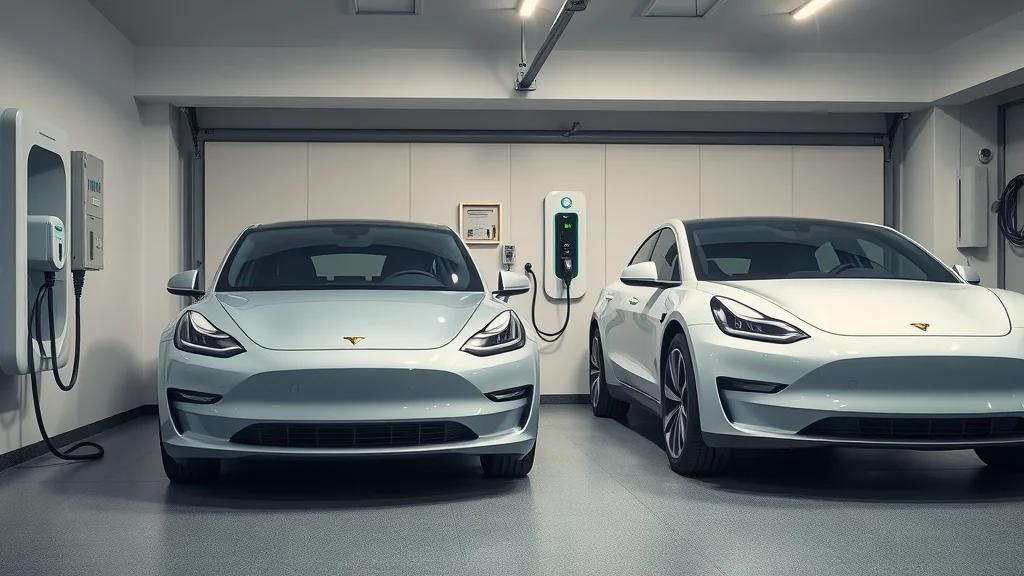
Charging your EV overnight sounds simple until you hit amperage limits, code rules, and panel upgrades. Which setup actually saves you time and money – hardwired or plug-in? The answer hinges on details most homeowners overlook.
Key Takeaways
- Hardwired chargers can deliver up to 48 amps of continuous power, while plug-in chargers on a NEMA 14-50 outlet are generally capped at 40 amps under electrical code rules
- Installing a home EV charger in Canada typically costs between $1,500 and $4,500 or more depending on wiring complexity and whether a panel upgrade is needed
- Ontario’s 80% continuous load rule and Section 86 outlet requirements apply to both hardwired and plug-in installations, and every project needs an ESA electrical permit before work begins
- Plug-in chargers offer easier relocation for homeowners who may move within a few years, while hardwired setups suit those settling in for the long haul – the article breaks down which factors matter most for each choice
- A licensed electrician’s assessment of panel capacity and driving habits is the clearest way to decide between the two options
Choosing a home EV charger comes down to a handful of practical questions: how fast does charging need to be, what does the electrical panel already support, and how long will the current home remain the current home. Hardwired and plug-in setups both charge a vehicle safely and effectively, but they solve for different priorities. Oakville homeowners weighing this decision can find a clear answer once they understand a few technical basics.
Hardwired Vs Plug-In: The Amperage Gap
The biggest practical difference between these two setups comes down to amperage, which directly controls how quickly a vehicle’s battery fills up overnight. A hardwired charger connects straight to the electrical panel and can typically deliver up to 48 amps of continuous power, while a plug-in charger relies on a NEMA 14-50 outlet on a 50-amp circuit, which is generally limited to 40 amps for continuous charging under electrical code rules.
That gap might sound small on paper, but it adds up over a full charging cycle. For many electric vehicles, the difference between 40 amps and 48 amps translates into roughly 6 hours versus 7.5 hours to reach a full charge. For a household charging every night, that extra hour and a half rarely matters. For someone who drives long distances and needs a quick top-up before heading out again, it can be the deciding factor.
Crown Electric Ltd has worked with Oakville homeowners across both installation types, and the advice tends to come back to matching the charger to actual driving habits rather than chasing the fastest number available. A commuter with a short daily drive rarely needs the extra amperage a hardwired setup provides, while a household with two EVs or long commutes often benefits from the higher ceiling.
How Each Charger Connects to Your Home
Hardwired: Permanent Panel Connection
A hardwired charger skips the outlet entirely. Wiring runs directly from the electrical panel to the charging unit, secured through conduit and connected by a licensed electrician. There is no plug to remove, no cord end to expose to weather, and no connection point that can loosen over years of use.
This permanent setup suits homeowners planning to stay put for years and wanting a charging station built to handle daily, high-power use without interruption. Because the unit is sealed and mounted, it holds up well against Oakville’s seasonal swings between summer humidity and winter cold, and it removes the wear that comes from plugging and unplugging a cord night after night.
Plug-In: NEMA 14-50 Outlet Setup
A plug-in charger works through a heavy-duty 240-volt outlet, most commonly a NEMA 14-50, the same style used for large appliances like electric ranges or RV hookups. If a garage already has one of these outlets installed and in good condition, adding a charger can be as simple as confirming compatibility and plugging in.
This approach appeals to homeowners who want a quicker path to charging without committing to a permanent fixture. The outlet needs to be rated for continuous high-amperage use and inspected for wear, since a worn or improperly installed NEMA 14-50 outlet is a genuine safety concern rather than a minor inconvenience.
Charging Speed: Amps and Hours Compared
Charging speed ultimately comes down to how much current the setup can safely deliver, and this is where the two options separate most clearly.
Hardwired chargers generally offer:
- Charging speeds up to 60 amps, though most residential installs run in the 40 to 50 amp range
- A stable, direct connection to the panel with minimal voltage drop
- Consistent performance suited to larger battery packs and frequent daily charging
Plug-in chargers generally offer:
- Charging speeds capped around 40 amps when installed on a 50-amp NEMA 14-50 circuit
- Performance that depends on the quality and rating of the existing outlet and wiring
- Charging speeds still fast enough for most daily commuting needs, even if not the fastest available
For a J1772-compatible Level 2 setup, a full charge can add somewhere between 40 and 60 kilometres of range per hour, depending on the vehicle’s onboard charger and the amperage supplied. Households prioritizing the fastest possible overnight charge tend to lean hardwired; those charging a single daily-driver EV often find plug-in speeds perfectly workable.
Installation Costs and Panel Upgrades
Cost is often the deciding factor once charging speed and flexibility have been weighed. Installing an EV charger at home in Canada typically runs somewhere between $1,500 and $4,500 or more, covering both the charger unit and standard installation labour. The charger itself generally costs between $500 and $1,500, while installation labour can range from around $1,000 up to $5,000 depending on the complexity of the job.
Several factors push costs toward the higher end of that range:
- A straightforward install with an existing, code-compliant panel and short wiring run tends to land on the lower end
- Long wiring runs from the panel to the garage or driveway add both material and labour costs
- A panel upgrade, if the existing panel cannot support the added load, adds a significant chunk to the total project cost
For Oakville homeowners whose panels need upgrading before an EV charger can safely go in, a 100A to 200A panel upgrade typically costs between $3,500 and $5,500 plus GST, with more complex jobs potentially reaching $6,000 to $8,000 or higher. Plug-in installations can come in cheaper when a compatible NEMA 14-50 outlet already exists, since the job may only require connecting the charger rather than running new circuits. Hardwired installations tend to cost more upfront due to professional labour and materials, but that cost often reflects the higher charging speed and long-term durability the setup provides.
Meeting ESA and Ontario Code Rules
The 80% Continuous Load Rule
Every EV charger installation in Ontario has to respect a basic electrical safety principle: a continuous load should never exceed 80% of a circuit’s maximum rated capacity. On a 50-amp circuit, that means an EV charger should draw no more than 40 amps of continuous current, which is exactly why plug-in setups on a NEMA 14-50 outlet cap out where they do.
This rule exists to prevent overheating and reduce fire risk during the many hours a charger runs continuously overnight. It applies equally to hardwired and plug-in systems, and it is one of the first things a licensed electrician checks before finalizing any installation plan.
Dedicated Circuits and Section 86 Requirements
The Canadian Electrical Code requires every Level 2 EV charger to run on its own dedicated circuit, separate from any other appliance or outlet in the home. Section 86 of the Ontario Electrical Safety Code specifically governs outlets used for EV charging in garages, requiring a single receptacle of a specific CSA configuration supplied from a 125 V branch circuit rated at not less than 20 amps.
All EV charger installations in Ontario require an ESA electrical permit before work begins, also referred to as a notification of work. Installing a charger that is not certified for use in Canada is against the rules and it can void home insurance coverage and create a real fire hazard, which is why confirming certification and permit status matters just as much as picking the right charger model.
Flexibility, Compatibility and Resale Value
Relocating a Charger When You Move
Plug-in chargers hold a clear advantage for anyone who might move homes within the next few years. Since the unit connects through an outlet rather than a permanent panel connection, it can be unplugged, packed up, and reinstalled at a new address with far less work than pulling a hardwired system off the wall.
Hardwired systems, by contrast, stay with the house. Relocating one requires hiring an electrician to disconnect it properly and install a new hardwired connection elsewhere, which adds both time and cost to any move. For homeowners settled into their current Oakville property for the long haul, this permanence rarely counts as a drawback and often reads as a value-add to future buyers who want a charging station already built into the home.
J1772 Compatibility With Popular EVs
Connector compatibility rarely factors into the hardwired-versus-plug-in decision, since the vast majority of electric vehicles sold in North America use the J1772 connector for Level 2 home charging. The Nissan Leaf and the Hyundai Kona EV both use J1772 connectors, and both work equally well with either a hardwired or a plug-in charging station.
Other popular models, including Tesla vehicles and the Chevrolet Bolt, can typically use standard home chargers with the right adapter, though checking manufacturer recommendations before purchase remains good practice. The bigger compatibility question usually comes down to whether the vehicle’s onboard charger can actually take advantage of the higher amperage a hardwired system provides, which matters more for larger-battery EVs than smaller ones.
The Right Charger Depends on Your Plans
There is no single correct answer to the hardwired-versus-plug-in question, since the right fit depends heavily on how long a home will remain the current home, how much charging speed a household actually needs, and what the existing electrical panel can support. A family planning to stay in their Oakville home for the next decade, with a longer daily commute, often gets the most value out of a hardwired system built for speed and durability. A homeowner anticipating a move within a few years, or one whose garage already has a suitable outlet, may find a plug-in charger delivers everything needed without the higher upfront cost.
Either path benefits from a proper electrical assessment before any work begins, covering panel capacity, permit requirements, and code compliance under the Ontario Electrical Safety Code. For homeowners ready to compare options against their own driving habits and electrical panel, booking a consultation is a practical next step toward a safe, code-compliant charging setup built around actual daily needs.