



Imagine enjoying a peaceful morning in your Burlington, Ontario home, when you suddenly notice a faint burning smell or see your table lamp’s light flicker. These subtle changes aren’t just quirks—they’re crucial warning signs of electrical wiring fire hazards that demand your immediate attention. Knowing how to spot these hazards early could mean the difference between a safe home and a devastating electrical fire.
Recognizing Electrical Wiring Fire Hazards in Your Burlington Home
Electrical wiring fire hazards can lurk behind your walls long before any visible warning emerges. For Burlington homeowners, recognizing these hazards is critical for safety and property protection. Common early signs may include flickering lights, occasional buzzing sounds from outlets, or the unspecific yet concerning scent of burning plastic or insulation. Sometimes, these hints are easy to overlook, mistaking them for minor inconveniences rather than serious threats. However, failing to act when you first notice these indicators can quickly escalate a small issue into a potential fire that endangers your family and home.
-
Real-life observation: A faint burning odor or flickering lights can indicate hidden electrical wiring fire hazards that may escalate if not addressed.
Burlington homeowners must stay alert for any subtle shifts in their electrical system. Don’t ignore a lamp that consistently flickers or a power bar that randomly shuts off; these are common signs that the underlying wiring may be compromised. Issues often begin out of sight, so treat any electrical oddity as a possible warning sign of a larger problem. Early detection is essential, and a prompt professional inspection can prevent a small electrical hazard from becoming a house fire.
What You’ll Learn About Electrical Wiring Fire Hazards
-
How to spot early warning signs of electrical fire hazards in your home
-
Key factors and common causes of electrical wiring fire hazards
-
Proven fire safety practices and safety tips to prevent electrical fires
-
Expert insights into safe electrical equipment and extension cord use
Understanding Electrical Wiring Fire Hazards
Why Are Electrical Wiring Fire Hazards So Serious?
Electrical wiring fire hazards pose a major threat due to their ability to remain unnoticed until significant damage has occurred. In homes throughout Burlington, compromised wiring can cause fires that develop silently behind walls and ceilings, out of everyday view. This hidden nature means that by the time obvious symptoms—like smoke or heat—emerge, the risk of property damage and danger to occupants is already very high. Because electrical wiring runs throughout all major rooms, one faulty connection or frayed cord can put entire sections of your home at risk, potentially causing a fire before you ever realize a problem exists.
Another reason these hazards are so dangerous is the speed at which an electrical fire can spread. Aging electrical systems or overloaded power strips may overheat, causing insulation to melt and even ignite surrounding combustible materials such as wood framing or stored items. Homeowners often underestimate how quickly electrical fires occur and the extreme property damage they can cause. That’s why adopting strong fire safety habits and regular electrical inspections are not just best practices—they are absolute necessities for modern home safety.
Common Causes of Electrical Fires in Burlington Homes
Understanding the common causes of electrical fires can help Burlington homeowners be proactive about risk. Outdated or damaged wiring is a frequent culprit: as wires age, their protective coating wears away, increasing the risk of a short circuit or overheating. Overloading circuits and extension cords is another major risk factor. Plugging too many devices into a single outlet or misusing power bars can easily exceed safety limits and spark fires. Faulty or aging electrical equipment—such as old appliances with decaying cords—is also notorious for triggering hazards, especially if used on a daily basis.
-
Outdated wiring
-
Overloaded circuits and extension cords
-
Faulty electrical equipment and appliances
-
Improper installation of light fixtures
“Most electrical fires start behind walls, making early detection crucial for home safety.”
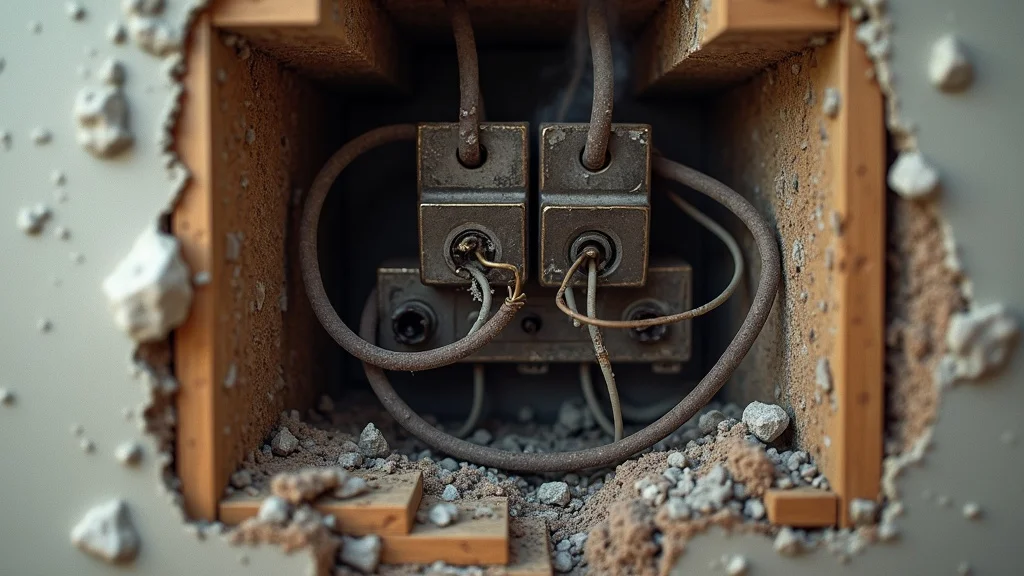
Other frequent triggers include improper light fixture installations or using bulbs that exceed a fixture’s rated wattage, creating excess heat near wires. Even simple mistakes, like running extension cords under carpets or keeping them plugged in for extended periods, can lead to fire. Homeowners must be vigilant about any modifications or repairs and ensure all work is done by licensed professionals who comply with Burlington’s stringent safety codes and standards.
Warning Signs of Electrical Wiring Fire Hazards
Visible and Hidden Symptoms of Electrical Fires
Recognizing both visible and hidden symptoms is key in preventing full-scale electrical fires in your home. Frequently tripped circuit breakers or blown fuses are clear warnings that your system is under stress, struggling to manage the electrical load. If you notice outlets or switches becoming discolored, warm, or even slightly charred, these are immediate signals that excessive heat is present and that wiring behind these points may be melting or smoldering—a precursor to a larger fire hazard. Sometimes, you may hear a subtle buzzing or sparking noise when using electrical equipment; this can indicate a loose connection that is generating heat out of view.
-
Frequently tripped breakers or blown fuses
-
Warm or discolored outlets and switches
-
Sparking or buzzing from electrical equipment
-
Burning or smoky odors near outlets
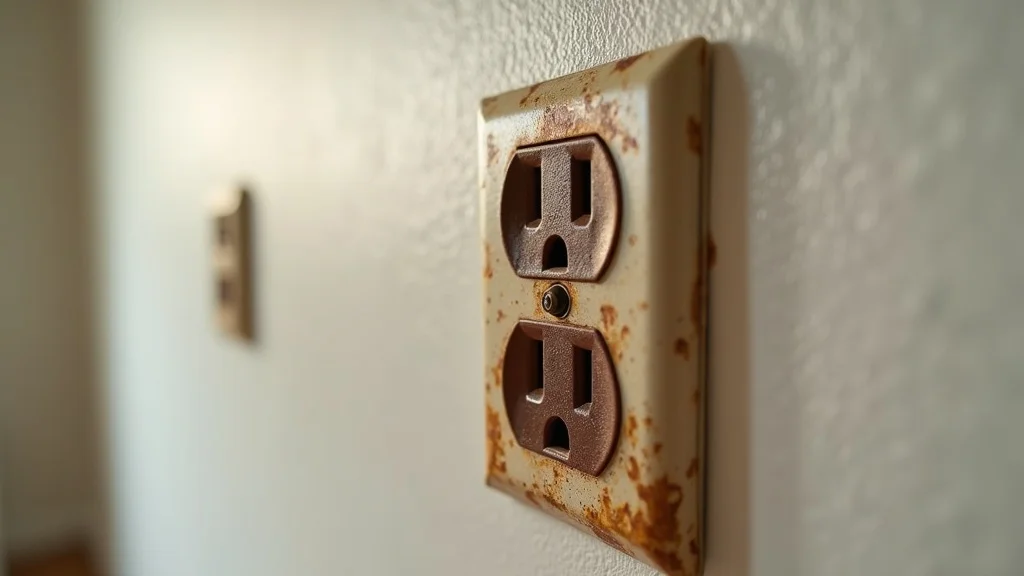
Additionally, the unmistakable smell of burning plastic or an acrid smoky odor without any obvious source should always be treated as a severe warning. This odor may be strongest near outlets, breaker panels, or along baseboards, and indicates wire insulation melting away. Since many electrical fires are hidden behind the walls, trusting your senses and investigating unusual sights, sounds, or smells is an essential part of an effective home safety system. Never ignore these signals—act immediately to secure expert help and prevent tragic losses.
Short educational video highlighting warning signs of electrical wiring fire hazards in Burlington homes, including breaker panel checks, flickering lights, discolored outlets, and safe extension cord use.
Common Causes of Electrical Wiring Fire Hazards
Electrical Equipment and Extension Cord Safety
Among the common causes of electrical wiring fire hazards, the improper use of extension cords and electrical equipment stands out. Homeowners frequently overload extension cords and power bars by connecting multiple high-powered devices, putting extra stress on both the cords and the wiring behind the walls. This can cause cords to heat up beyond their safe capacity, leading to melting insulation or sparking—which can quickly ignite a fire. For your safety, always use certified extension cords that match or exceed the load requirements for your devices and avoid chaining multiple extension cords together, a practice known as “daisy chaining,” which is a well-documented fire hazard.
-
Using certified extension cords and maintaining load limits
-
Regularly inspecting all electrical equipment
Another essential safety tip is regular inspection of all electrical equipment in your household. Look out for any frayed cord, damaged plug, or worn power strip, and never use equipment showing signs of wear. Power strips and surge protectors, while providing convenience, are not designed to handle the load of heavy appliances like space heaters or microwaves. Always keep your workspace organized and cords untangled, as cluttered or covered cords can build up heat and become hidden hazards. Simple, practical steps like unplugging devices not in use and checking extension cords periodically can make a big difference in overall fire safety.
Light Fixture Issues and Fire Safety Tips
Light fixtures can easily become overlooked fire hazards, especially in older Burlington homes. Using light bulbs that exceed the recommended wattage for a fixture generates dangerous heat, which can accumulate and compromise both the fixture and nearby wiring. When installing or replacing a lighting fixture, it is vital to ensure it is securely mounted and the wiring is properly connected—loose wires behind fixtures can spark without warning. Equally important is positioning fixtures away from flammable materials such as drapery, bedding, or paper, as these items can ignite quickly if overheated.
-
Proper bulb wattage and secure installation
-
Ensuring fixtures are away from flammable materials

For optimal home fire safety, consider upgrading older fixtures or consulting a licensed electrician if you suspect any issues. Ensure each fixture is rated for the specific room conditions—for example, some fixtures are not meant for damp areas such as bathrooms or garages. Remember, safety tips such as using only manufacturer-approved parts and not exceeding recommended electrical loads can prevent both minor and serious incidents. Small prevention measures in your lighting setup can stop an inconvenient outage from spiraling into a full-fledged electrical fire.
Table: Quick Reference for Electrical Wiring Fire Hazard Warning Signs
|
Warning Sign |
Possible Cause |
Recommended Action |
|---|---|---|
|
Flickering or dimming lights |
Loose connections, overloaded circuits |
Check fixtures, reduce load, call an electrician |
|
Burning or smoky odor |
Melting insulation, overheating wiring |
Disconnect power, ventilate, seek immediate professional help |
|
Discolored or warm outlets/switches |
Overloaded circuits, poor connections |
Stop use, arrange inspection, replace affected parts |
|
Frequently tripped circuit breakers |
Circuit overload, faulty wiring or equipment |
Review what’s plugged in, have an electrician inspect the breaker |
|
Sparking or buzzing sounds |
Loose wire, failing outlet or device |
Unplug devices, schedule a professional checkup |
Fire Safety Tips: Preventing Electrical Wiring Fire Hazards
-
Never overload outlets or extension cords
-
Schedule routine electrical inspections
-
Replace damaged or aged wiring promptly
-
Keep combustible items away from electrical sources
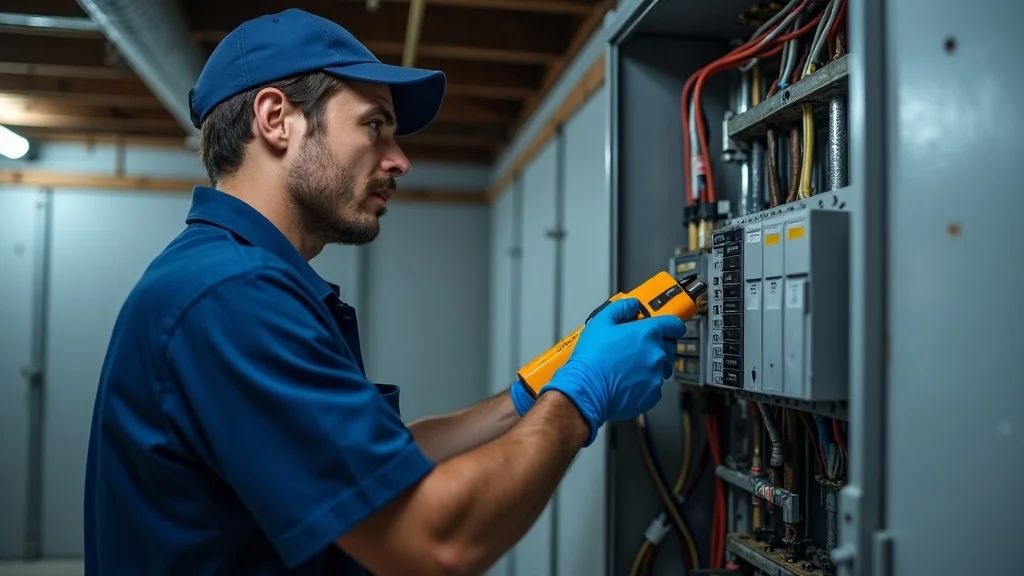
Preventing electrical wiring fire hazards starts with responsible usage and regular maintenance of your home’s electrical system. Never stack multiple plugs into a single outlet or run appliances from old extension cords. Professional home electrical inspections, scheduled at least every few years—or anytime you notice potential issues—are a smart investment in your safety. If any part of your home’s electrical wiring is visibly damaged, outdated, or has a history of tripping breakers, don’t risk it; have it replaced immediately by a qualified electrician. Finally, always keep flammable objects such as paper, fabrics, or combustibles clear of outlets and light fixtures, especially in older homes where wiring may have degraded over time.
Quick video guide on safe extension cord and electrical equipment use to prevent electrical fires.
People Also Ask
Is electrical wiring a fire hazard?
Answer: Electrical wiring is a significant fire hazard, especially when it is outdated, damaged, or improperly installed. Faulty wiring can cause overheating, short circuits, and can ignite combustible materials in walls or attics.
What are the hazards of electrical wiring?
Answer: Besides fire hazards, poor wiring can result in electrical shocks, property damage, appliance failures, and potential injury to residents.
Is the smell of electrical fire harmful to humans?
Answer: Yes, the smoke and fumes from an electrical fire contain toxic chemicals that can harm respiratory health. Immediate response and evacuation are essential if you detect a burning smell.
What causes an electrical wire to catch fire?
Answer: Electrical wires can catch fire due to overloading, aging insulation, physical damage, exposure to moisture, or faulty connections. Regular maintenance and professional inspection are key preventive measures.

Electrical Wiring Fire Hazards: Frequently Asked Questions
-
Can I fix electrical wiring fire hazards myself or should I call a professional?
-
It’s never safe to attempt electrical repairs unless you are a licensed electrician. Electrical wiring issues often require specialized tools and knowledge to identify hidden hazards and ensure long-term safety. Always call a qualified professional for repairs or inspections.
-
How often should home wiring be inspected for fire safety in Ontario?
-
Experts recommend having your home wiring professionally inspected every 3-5 years, or immediately after any major renovation or when moving into a new (especially older) property. This helps catch issues early and keep your family safe.
-
What electrical equipment commonly causes electrical fires in homes?
-
Appliances like space heaters, microwaves, toasters, and high-powered hair dryers are frequently involved in electrical fires. Using these devices with damaged cords or plugging them into overloaded power bars or extension cords significantly increases the risk.
-
Are older Burlington homes at greater risk of electrical wiring fire hazards?
-
Yes, older homes often have wiring that is outdated, worn, or not compliant with current safety codes. This puts them at higher risk for electrical fires if upgrades and regular inspections are neglected.
Key Takeaways for Burlington Homeowners
-
Stay alert to warning signs of electrical wiring fire hazards
-
Never ignore burning odors or frequent electrical issues
-
Always prioritize professional inspections and fire safety practices
Protect Your Home From Electrical Wiring Fire Hazards
-
Call us at 905-847-2804 for an estimate. Visithttps://crownelectricltd.ca/electrician-burlington-ontario/for more information.
Conclusion
Don’t let electrical wiring fire hazards silently endanger your Burlington home. Stay aware, act fast on warning signs, and always trust licensed professionals for repairs and inspections.