


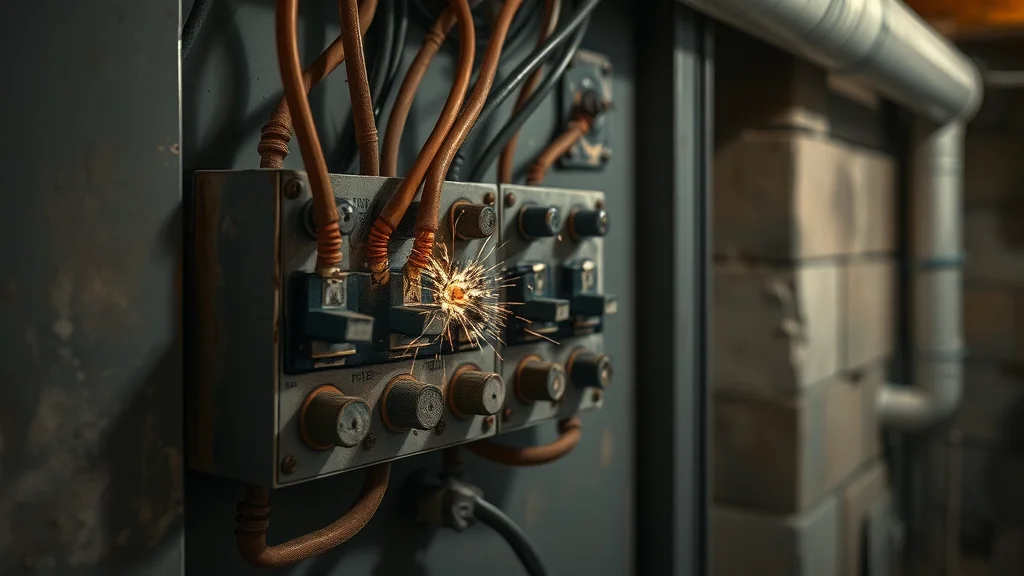
That flickering bulb in your Etobicoke home might not be a cheap fixture – it could be a warning sign of failing wiring or an overloaded panel. Here’s how to tell when flicker means danger, not just annoyance.
Key Takeaways
- Persistent flickering lights are often a warning sign of a deeper electrical problem, not simply a worn-out bulb.
- Whole-home flicker that occurs when a large appliance switches on can point to a failing main neutral connection, which is treated as an electrical emergency.
- Loose wiring, overloaded circuits and aging electrical panels are the most common causes behind flickering lights in Etobicoke homes.
- Rising power demands from home offices, streaming setups and EV chargers are pushing older electrical systems past their original limits, and flicker is often the first visible clue.
- Only a licensed electrical contractor can legally perform paid electrical work involving these hazards in Ontario, according to Crown Electric Ltd.
A flickering light seems like such a small thing. A bulb dims for a second, brightens again, and life goes on. For many Etobicoke homeowners, though, that little flicker is the electrical system’s way of raising a hand and asking for help.
A Warning Sign Hiding in Plain Sight
Flickering lights are easy to blame on a cheap bulb or an old lamp. The real story is often less convenient. Persistent flickering is frequently a symptom of an electrical system under strain, from a loose connection to a panel that has quietly outlived its usefulness. Many Etobicoke residents notice the flicker but never connect it to a larger issue brewing behind the walls, which is exactly why the problem tends to get worse before anyone calls for help.
Getting a professional opinion early costs far less, in every sense, than waiting for a crisis. Crown Electric Ltd has spent decades working through exactly this kind of diagnostic puzzle in homes across the region, and the pattern is consistent: flicker rarely fixes itself.
Why Lights Really Flicker
Flickering lights are a visible symptom of an invisible problem. Tracking down the actual cause means looking past the bulb and into the wiring, switches, and panel that keep power flowing steadily through a house.
Loose Wiring and Overloaded Circuits
Loose connections inside switches, junction boxes, or the panel itself are among the most common culprits behind a flickering light. As current struggles to pass through a weak connection, it can generate heat, and that heat buildup is exactly the kind of thing that turns a nuisance into a hazard. Overloaded circuits create a similar effect: when too many devices draw power from one circuit at the same time, voltage dips and lights dim or flicker in response. Homes with older wiring layouts are especially prone to this, since modern appliances and electronics place demands the original circuits were never designed to handle.
Aging Panels Under Modern Loads
Electrical panels installed decades ago were built for a different kind of household, one without central air conditioning, home offices, or electric vehicle chargers pulling steady power. As demand grows, an aging panel can struggle to keep voltage stable across the home, and flickering becomes one of the earliest visible clues. A panel that trips breakers frequently or cannot keep up with newer appliances is often nearing the end of its service life. Warning signs worth watching for include flickering across multiple rooms, buzzing sounds coming from the panel itself, and inconsistent power in different parts of the house.
When Flicker Signals Danger
Not all flicker is created equal. Some patterns point to a problem that can wait for a scheduled inspection, while others demand immediate attention because the risk of fire or serious damage is already building.
Whole-Home Flicker and Failing Neutrals
When lights across an entire home flicker at once, particularly the moment a high-draw appliance like a dryer or air conditioner kicks on, that pattern typically points to a loose or failing main neutral connection at the panel or service mast. This is considered an electrical emergency rather than a routine repair. A broken main neutral can cause severe voltage imbalances that instantly damage electronics and create an immediate fire risk, so this kind of whole-home symptom should never be brushed off as “just the AC kicking in.”
Smells, Sparks and Warm Outlets
Flickering rarely travels alone when a real hazard is developing. Burning smells near outlets, warm or discoloured wall switches, and breakers that trip again and again are all signs pointing toward the same underlying issue: wiring or connections that are no longer handling current safely. Any of the following, paired with flickering, calls for a same-day inspection rather than a wait-and-see approach:
- A burning or ozone-like smell near an outlet, switch, or the panel
- Outlets or switch plates that feel warm to the touch
- Visible sparks when plugging in a device
- Breakers that trip repeatedly, even under normal use
Damaged or aging wiring in older homes tends to produce exactly this mix of symptoms, and discoloured outlets or fixtures are often the visible tip of a much larger problem underneath.
Why Emergency Calls Keep Climbing
Homes across Etobicoke are drawing more power than ever, from home offices to streaming setups to EV chargers, and electrical systems built decades ago are being pushed past their original limits. As that gap between old infrastructure and modern demand widens, symptoms like flicker tend to show up more often and escalate faster once they start. Etobicoke’s mix of century-old character homes and newer builds means both ends of that spectrum exist side by side, which keeps demand for diagnostic visits steady across the year rather than tied to any one season.
Costs of Waiting Too Long
Putting off a call about flickering lights rarely makes the problem disappear. Left unchecked, the same loose connections and overloaded circuits behind the flicker can lead to overheating, electrical fires, or damage to appliances and electronics that were never the actual source of the problem. What starts as a five-minute annoyance can turn into a much larger repair bill, and in some cases, home insurance providers have raised questions about claims tied to electrical damage that went unaddressed. Delaying repairs also tends to compound the cost: a loose wire caught early might mean a simple tightening and inspection, while the same wire left to arc and overheat for months can mean replacing damaged sections of a circuit or even part of the panel.
Why Licensing Matters for Repairs
Ontario law restricts paid electrical work, including anything involving wiring, panels, or major fixtures, to Licensed Electrical Contractors. The Electrical Safety Authority enforces the code that keeps that work safe, and it is not a formality. Licensed electricians are required to carry liability insurance, which protects a homeowner from being on the hook if something goes wrong mid-repair. Crown Electric Ltd, a family-run electrical contractor that has served Etobicoke and the surrounding area for more than three decades, points to this licensing requirement as one of the clearest ways homeowners can tell a qualified repair from a risky shortcut. Hiring outside that system, even for a seemingly small flicker fix, can leave a home without the paperwork an insurer expects to see after an electrical incident.
Flickering Lights Are Never Just Cosmetic
A flickering light deserves attention rather than a shrug. Whether the cause turns out to be a loose connection, an overloaded circuit, or a panel that has simply run out of capacity, the safest move is getting a licensed set of eyes on the problem before it grows into something far more expensive or dangerous. Etobicoke’s mix of older and newer housing stock means every home has its own risk profile, but the underlying advice stays the same across the board: treat persistent flicker as a signal worth investigating.
For homeowners ready to get to the bottom of a stubborn flicker, scheduling a visit with a licensed electrician in Etobicoke is the most reliable way to turn a warning sign into a solved problem.