

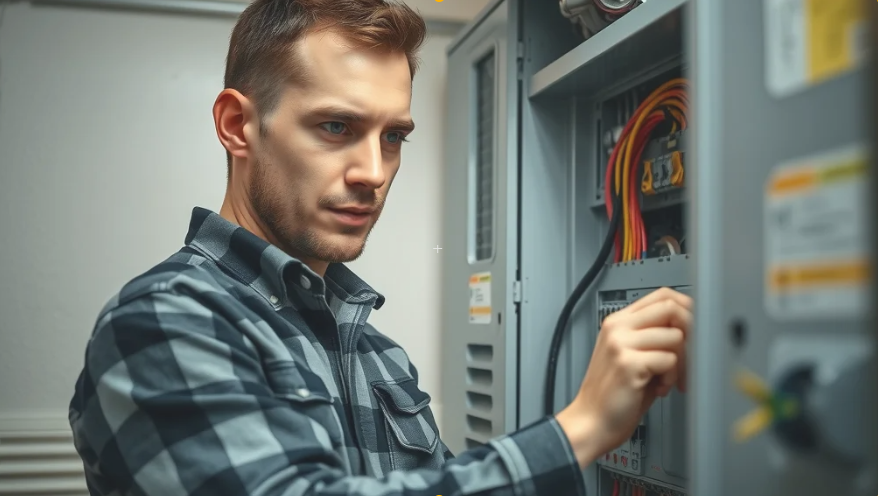
Electrician in Alton Village
Ontario recorded 141 electrical fatalities in a decade tied to faulty wiring, yet many homeowners still don't know how to verify if their electrician is legally qualified. Here's what that 7-digit number on their truck actually proves.
Key Takeaways
- Faulty wiring is a leading cause of residential fires, and Ontario law treats electrician licensing as a safety requirement rather than a formality
- Only a Licensed Electrical Contractor with a 7-digit ECRA/ESA number can legally pull permits and be paid for electrical work in Ontario
- A Master Electrician must pass an 80-question exam divided among three sections covering the Ontario Electrical Safety Code, Worker Safety, and Business Administration, scoring at least 70% overall
- Panel upgrades and EV charger installations both come with specific cost ranges and code requirements worth understanding before requesting quotes
- Crown Electric Ltd has served Oakville, Mississauga, Burlington, and Etobicoke since 1991 with a 100% satisfaction guarantee on its electrical work
Electrical problems rarely give much warning before they turn expensive or dangerous. For homeowners in Alton Village, understanding who is legally allowed to touch the wiring behind the walls, and why that matters, can mean the difference between a safe home and a costly disaster.
Improper Wiring Is a Leading Fire Risk
Faulty electrical work carries real risk for homes and businesses alike. Circuit wiring, whether aluminum or copper, stands as the most common ignition source behind electrical distribution equipment fires, according to Ontario's Office of the Fire Marshal and Emergency Management.
The stakes go beyond property damage. Provincial records show 141 electrical fatalities in Ontario between 2013 and 2022, with 87 of those deaths resulting from electrical fires, where the ignition fuel was identified as electricity and/or the ignition source was electrical distribution equipment. These numbers reflect real consequences tied to skipped permits, rushed jobs, and work performed by people without the training to spot hidden hazards. A licensed electrician in Burlington Ontario brings the kind of code knowledge and hands-on experience that catches these risks before they turn into emergencies, one reason licensing carries so much weight under Ontario law.
Homeowners often assume a wiring issue will announce itself clearly, but many electrical faults hide behind walls or inside panels for months. That is precisely why the province requires licensed oversight for electrical work rather than leaving it to individual judgment.
Why Ontario Law Requires Licensing
Ontario law draws a clear line: only a Licensed Electrical Contractor, or LEC, can legally advertise, quote, or accept payment for electrical work. An electrician is the certified person who physically performs the wiring, panel work, or repairs, while the electrical contractor is the licensed business permitted to take on the job and stand behind it. This distinction protects homeowners from a common trap, where someone with basic wiring knowledge offers cheap labour without the accountability structure that licensing demands.
Hiring an individual electrician directly, without going through a properly licensed contractor, means missing out on an ESA permit, a formal inspection, and a Certificate of Acceptance. Insurers and future home buyers often ask for these documents, and their absence can complicate a claim or a sale years down the road. Licensed electrical work also comes bundled with built-in safeguards, including liability insurance and Workplace Safety and Insurance Board coverage, protections that simply do not exist when the work is done off the books.
What an LEC Number Confirms
Every Licensed Electrical Contractor carries a 7-digit ECRA/ESA number, and that number should appear on trucks, business cards, and written estimates without hesitation. This number confirms the business has met Ontario's requirements, including designating a Master Electrician and carrying at least $2,000,000 in public liability and property damage insurance. It also confirms the contractor can legally pull ESA permits, which matters because permitted work gets inspected, and inspected work is far less likely to hide a dangerous fault behind drywall.
Homeowners comparing quotes should ask to see this number directly. A legitimate contractor will provide it without pushback, since it is central to their legal right to operate.
Master Electrician Exam Standards
Behind every LEC sits a Master Electrician responsible for overseeing the work performed under that license. Reaching this designation requires real time in the field: candidates need a minimum of three years of experience as a journeyperson electrician, and they must pass the Master Electrician examination within the previous twelve months of applying. This exam, offered only through the Electrical Safety Authority, consists of 80 multiple-choice questions divided among three sections.
The three sections cover the Ontario Electrical Safety Code, Worker Safety, and Business Administration. Passing requires an overall score of at least 70%, along with a minimum of 60% in each individual section. This structure ensures a Master Electrician understands the code inside and out, keeps job sites safe, and knows how to run a business that meets its legal obligations.
Key Services for Alton Village Properties
Alton Village homes and businesses call on licensed electricians for a wide range of needs, from simple repairs to full-scale system overhauls. Panel upgrades and EV charger installations stand out as two of the most common projects homeowners tackle as their electrical demands grow alongside newer appliances and vehicle technology.
Panel Upgrades and Modern Codes
Older homes in Alton Village often carry electrical panels that were never designed to handle today's appliance loads, let alone an EV charger or a hot tub. A panel upgrade brings a home's wiring in line with current Ontario Electrical Safety Code requirements, addressing details like proper circuit labelling, arc fault protection, and surge suppression. Electrical panel upgrades typically cost between $1,000 and $4,500, with the final price shaped by panel size and the extent of code updates required.
Delaying a panel upgrade when warning signs appear, such as frequent breaker trips or an outdated fuse box, tends to cost more in the long run. A licensed electrician will assess whether targeted repairs can solve the immediate problem or whether the panel itself has reached the end of its useful life.
EV Charger Installation Requirements
Electric vehicle ownership continues to climb, and installing a home charger involves more than plugging in a new outlet. A proper installation requires a panel assessment, permit submission, ESA approval, and wiring matched to the charger's amperage before the unit is switched on for regular use. Costs for an EV charger installation depend largely on wiring distance and the electrical panel's existing capacity, so getting a written estimate up front is the best way to know what a specific property will require.
Skipping any step in this process, particularly the panel assessment, risks repeated tripped breakers or a hidden fire hazard behind the wall. Homeowners planning to add a charger should treat it the same way as any other major electrical upgrade: confirm licensing, get a written estimate, and make sure permits are pulled before the work begins.
Warning Signs That Demand Emergency Response
Some electrical issues cannot wait for a scheduled appointment. Visible sparks or arcing, a burning smell or visible smoke, shocks from outlets or appliances, and outlets or switches that feel hot to the touch all signal a problem serious enough to call for immediate help. These symptoms often point to an overloaded circuit or a failing connection that will only worsen with time.
Flickering lights and breakers that trip repeatedly deserve attention as well, even when they seem minor at first. Emergency electricians serving Burlington and Alton Village are often available around the clock, ready to diagnose, isolate, and resolve dangerous situations before they escalate into fires or extended power loss. Anyone noticing these signs should treat them as a priority rather than something to monitor for a few more days.
What Electrical Work Costs in Alton Village
Understanding typical pricing helps homeowners budget realistically and spot quotes that seem out of line. A basic electrical repair generally runs between $90 and $350, depending on the service call minimum and the cost of parts involved. The hourly rate for qualified professionals in the area typically falls between $85 and $130, with higher rates often reflecting greater experience or emergency response availability.
Beyond repairs, several other services carry their own pricing considerations worth knowing before requesting quotes:
- Electrical safety inspections, covering a full home or business audit, typically cost between $150 and $450.
- Emergency electrical service, which comes with a premium for after-hours response, is priced based on the time of the call and the scope of the repair needed.
- Electrical panel upgrades typically cost between $1,000 and $4,500, depending on panel size and required code updates.
- EV charger installations are priced according to wiring distance and panel capacity, so costs vary from property to property.
Transparent, itemized quotes remain the best defence against surprise costs. A reliable electrician will break down labour and materials clearly and explain what is included before any work begins.
Vetting Credentials Before You Hire
Finding the right electrician for a home in Alton Village takes more than a quick search online. Confirming licensing and insurance status should be the first step, since it protects homeowners from liability and guarantees the work meets Ontario's current safety standards. Asking about experience with panel upgrades, EV charger installations, and both residential and commercial systems gives a clearer picture of whether a contractor can handle the specific job at hand.
A few practical steps make the vetting process straightforward:
- Ask directly for the contractor's 7-digit ECRA/ESA number and confirm it matches their business name.
- Request proof of liability insurance and WSIB coverage before agreeing to any work.
- Read recent customer reviews on trusted platforms, paying attention to comments about timeliness and quality of work.
- Ask for references from similar projects, especially for larger jobs like panel upgrades.
- Confirm whether the estimate includes permit costs and inspection scheduling.
Reputable contractors will answer these questions without hesitation, since transparency around credentials is part of operating legally in Ontario.
Safety and Compliance Depend on Licensing
Every point in this guide circles back to the same conclusion: licensing exists to protect people, property, and long-term investment. A licensed electrical contractor carries the insurance, training, and legal authority to pull permits that keep a home's wiring safe and compliant with Ontario's current electrical code. Skipping this step to save a little upfront can cost far more later, whether through denied insurance claims, failed home inspections, or the far more serious risk of fire.
Crown Electric Ltd has worked within these licensing standards since 1991, serving Oakville, Mississauga, Burlington, and Etobicoke with a 100% satisfaction guarantee on every project. That kind of consistency across three decades reflects what proper licensing and code compliance look like in practice, day after day, on real homes and businesses.
For homeowners ready to take the next step, choosing a properly licensed electrician protects both the property and everyone living inside it.