

Electrician in East Credit
That flickering light or tripped breaker in your East Credit home could be a warning sign. Ontario law requires licensed electricians for a reason - find out what happens when property owners skip that step, and what it really costs to fix later.
Key Takeaways
- Electrical wiring is a factor in a majority of residential fires, and arc faults from improper installation start tens of thousands of home fires each year, which is why licensing matters before anyone touches a breaker box.
- Ontario law requires anyone offering electrical installation services to the public to hold a license from the Electrical Safety Authority, and skipping that step can leave property owners exposed.
- EV charger installations require an ESA permit, with no exceptions for residential jobs.
- Checking a contractor's credentials, insurance, and warranty terms before signing anything can save homeowners from costly repairs down the road.
- Understanding what separates a licensed electrician from an unlicensed handyman helps East Credit property owners protect both their wiring and their wallets.
Why Improper Wiring Still Causes Fires
Electrical fires rarely start with a dramatic spark. They usually begin quietly, with a loose connection, an overloaded circuit, or a splice that was never done to code. Over time, that small flaw heats up, and eventually it ignites nearby insulation or framing material. Electrical wiring is a factor in a majority of residential fires, and arc faults, which can stem from improper installation, start tens of thousands of home fires every year, a reminder of how often shortcuts in wiring work turn into real hazards for families and business owners alike.
East Credit's mix of older homes and newer construction makes this risk especially relevant. Houses built decades ago often carry wiring and panels that were never designed for today's power demands, from central air conditioning to electric vehicle charging. When that aging system gets patched by someone without proper training, the fix rarely addresses the root problem. Crown Electric Ltd, which has served Oakville, Mississauga, Burlington, and Etobicoke since 1991, offers additional context on licensed electrical services in Mississauga for property owners weighing their next move.
Fire risk is not the only concern tied to poor wiring. Overheated connections can also damage appliances, degrade wiring insulation faster than normal, and create ongoing nuisance issues like flickering lights or tripped breakers. Addressing wiring problems early, with someone trained to spot them, tends to cost far less than dealing with fire damage or a full system replacement later.
Why ESA Licensing Isn't Optional
Ontario law is direct on this point: anyone offering electrical installation services to the public must be licensed by the Electrical Safety Authority. This requirement comes straight from the province's Electricity Act and Licensing Regulation, O. Reg. 570/05, and it applies whether the work is a small repair or a full commercial buildout. Licensed electrical contractors and Master Electricians carry the responsibility of making sure every job complies with that regulation, along with the other laws governing electrical safety across Ontario.
For homeowners and business owners in East Credit, this licensing system works as a built-in safeguard. It means the person wiring a kitchen, upgrading a panel, or installing an EV charger has been tested on real safety knowledge and remains accountable to a governing body. The Ontario Electrical Safety Code, which is updated roughly every three years to reflect new safety measures and technology, sets the technical standard every licensed electrician must follow. Licensed Electrical Contractors are also required to display their ECRA/ESA license number on contracts, invoices, and even business vehicles, giving property owners an easy way to confirm who they are hiring before work begins.
What Happens When You Skip a Licensed Pro
Hiring someone without proper credentials might feel like a shortcut worth taking, especially if the quote looks appealing. The risks stack up quickly, since electrical work touches nearly every part of a building. A single mistake in one spot can cascade into serious property damage or personal injury, and the savings from a cheaper quote rarely offset the cost of fixing what went wrong.
Fire, Shock, and Failed Inspections
Loose connections, overloaded circuits, and incorrect grounding all raise the odds of sparking, overheating, or an outright electrical fire. Shock hazards become far more likely as well when someone without formal training handles live wiring or panel work. Beyond the physical danger, work that fails to meet the Ontario Electrical Safety Code will not pass inspection, which means it has to be torn out and redone by a licensed professional. That amounts to paying twice for a job that should have been done correctly from the start.
Voided Insurance, Unpaid Damages
Home and business insurance policies generally assume electrical work meets provincial code. When a claim traces back to unlicensed work, insurers can deny coverage entirely, leaving the property owner responsible for repairs, replacement costs, or liability out of pocket. A licensed electrician typically carries insurance as well, so if damage happens during a repair or installation, that coverage protects the property owner rather than leaving them exposed. Given how much rides on a single electrical job, that insurance backing matters just as much as the technical skill behind the work itself.
Services a Licensed Electrician Covers
Electrical needs shift depending on whether a property is a family home, a retail storefront, or a manufacturing facility. Licensed electricians in East Credit and the surrounding area typically cover a wide range of work suited to each setting, and understanding the scope helps property owners know what to expect from a quote.
Residential Panels, Rewiring, and EV Chargers
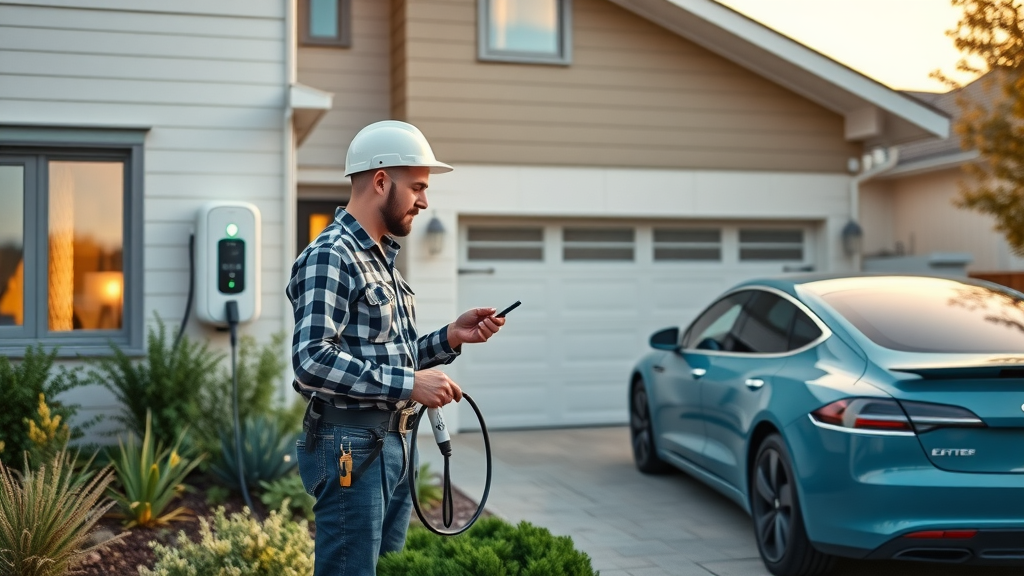
Homeowners commonly need panel upgrades, outlet rewiring, and EV charger installations, especially in homes built between 1985 and 2005 that may still run on outdated 100-amp or 200-amp panels. Upgrading that panel supports safer, more reliable power flow throughout the whole house, beyond added convenience for modern appliances. EV charger installation deserves particular attention, since every Level 2 charger installation in Ontario requires an ESA electrical permit under the Ontario Electrical Safety Code, with no exceptions for residential setups. That permit also matters for anyone applying for the federal EVAP rebate, which requires proof of a completed ESA permit as part of the application process.
Commercial and Industrial Projects
Commercial properties bring a different set of demands, including retail lighting, security and fire alarm wiring, and circuit breaker replacement for offices, restaurants, and retail shops. Industrial facilities go further still, often requiring specialized wiring for heavy machinery, generators, and transformers built to withstand sustained high-power loads. These projects call for electricians familiar with both the equipment and the code requirements specific to larger-scale operations, since the stakes involved run considerably higher than a typical home setup.
What Electrical Work Actually Costs
Pricing for electrical work depends on the type of service, the complexity of the job, and the materials involved. Basic troubleshooting typically runs between $120 and $250, while panel upgrades range from $1,200 to $3,500 depending on the scope of work. EV charger installations generally cost between $700 and $2,000, covering the dedicated circuit, permit coordination, and professional labor involved in a safe setup.
Beyond these baseline figures, a few other cost factors are worth knowing before requesting quotes:
- The average hourly rate for electricians in Canada typically ranges from $80 to $150 per hour for standard residential work, with the first hour of most service calls billed at $100 to $200.
- Emergency electrical callouts after hours (5 p.m. to 7 a.m.) have an initial callout fee of $300 for the first hour.
- Residential ESA Notification fees apply separately from installation labor and materials.
Always confirm whether a quote includes parts, labor, and permit fees together, since itemized estimates make it much easier to compare offers from different contractors.
Vetting Your Electrician Before Hiring
Choosing the right contractor takes a bit more effort than picking the first name that shows up in a search. A little diligence upfront saves a lot of frustration once a project is underway, particularly for bigger jobs like panel upgrades or full rewiring.
Confirming that an electrician is listed on the Electrical Safety Authority's website is the fastest way to verify licensing status before any work begins. Reading verified reviews on platforms like HomeStars, Google, and the Better Business Bureau adds another layer of confidence, since real feedback tends to reveal how a contractor handles communication, timelines, and problem-solving. A few smart questions during the vetting stage go a long way toward avoiding surprises later:
- Is the contractor and every electrician on the job individually licensed by the ESA?
- Does the company carry liability insurance that covers damage or injury during the project?
- Is there a written warranty backing the finished work?
- Does the quote clearly break down labor, materials, and permit costs?
A Master Electrician, the highest level of qualification within the electrical contractor system in Ontario, must have at least three years of journeyperson experience and pass a rigorous exam before earning that title. That level of qualification allows them to pull permits, take legal responsibility for the work, and supervise apprentices, which is worth confirming if a project involves complex panel or commercial work.
Licensing Is the Backbone of Electrical Safety
Electrical work touches everything from daily comfort to long-term safety, which makes the choice of who handles it one of the more important decisions a property owner makes. Licensing through the Electrical Safety Authority exists to make sure that choice comes with real accountability, backed by tested knowledge and legal oversight. Whether the project is a small repair, a full panel upgrade, or a new EV charger installation, working with a properly credentialed professional protects both the property and the people living or working inside it.
For a practical next step, property owners in East Credit can start by learning more about licensed electrical con