

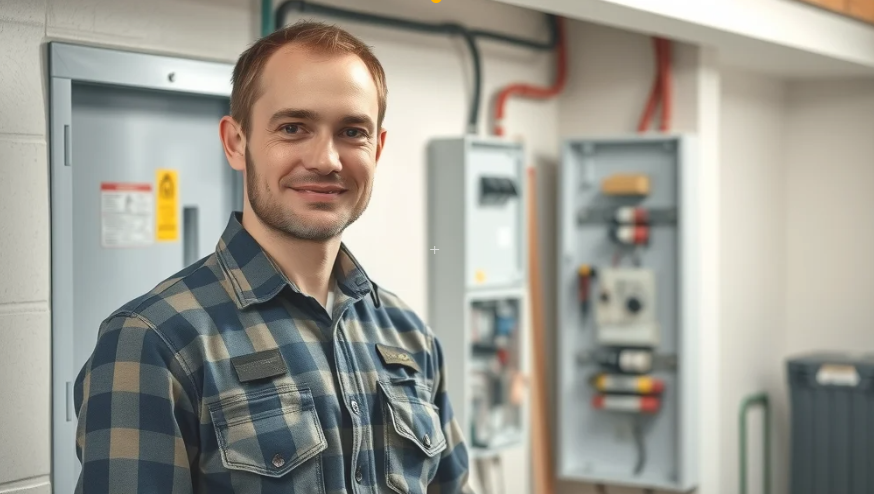
Electrician in Elizabeth Gardens
That flickering light in your Elizabeth Gardens home could be nothing - or a warning sign that costs you an insurance claim later. Here's the seven-digit number and five questions every homeowner should demand before letting anyone touch their wiring.
Key Takeaways
- Hiring a licensed electrician in Elizabeth Gardens protects homeowners from safety hazards, code violations, and insurance complications tied to unlicensed electrical work.
- Every licensed contractor in Ontario carries a 7-digit ECRA/ESA number that can be verified through the ESA's online tool before any work begins.
- Warning signs like flickering lights, tripping breakers, and warm panel doors often point to wiring problems that get worse if ignored.
- Outdated electrical panels are a common source of insurance denials, making a professional assessment worth scheduling before adding major appliances or an EV charger.
- Crown Electric Ltd highlights the questions homeowners should ask before hiring, from licensing proof to permit handling, covered throughout this guide.
Cooking equipment remains the leading cause of house fires in Ontario, though fires linked to electrical distribution equipment dropped 18% between 2019 and 2023, according to the Electrical Safety Authority. That trend shows why hiring the right person for electrical work matters far more than picking the cheapest quote. This guide walks Elizabeth Gardens homeowners through what licensing actually means, how to spot trouble early, and what questions separate a trustworthy contractor from a risky one.
Why Electrical Work Demands a Professional
A flickering light or a tripped breaker might seem like a minor annoyance, but behind the wall it can signal a fault capable of starting a fire. Electrical systems carry enough current to injure or kill, so even small tasks like replacing a fixture carry real risk when wiring is outdated or handled improperly. Ontario's rules around electrical work exist because the consequences of getting it wrong reach far beyond a single outlet.
Homeowners researching an electrician in the Elizabeth Gardens area often find that pricing, licensing, and code compliance vary more than expected between contractors. Crown Electric Ltd has spent decades working within Ontario's electrical code while serving communities across the region, offering a useful reference point for what proper documentation, fair pricing, and safe workmanship should look like. Understanding these basics before calling anyone puts homeowners in a stronger position to judge quotes and credentials.
Skipping a licensed professional to save money on a panel swap or a new circuit tends to cost more in the long run, whether through failed inspections, denied insurance claims, or repairs needed to correct unsafe work. The sections below break down exactly what to look for, from licensing proof to warning signs that a home's wiring needs attention now rather than later.
Why Licensing Isn't Optional
Ontario law states plainly that only a Licensed Electrical Contractor may be paid to perform electrical work inside a home or business. This legal requirement is built around public safety, since faulty wiring remains one of the most common causes of residential fires. Anyone offering to do electrical work without that license, no matter how confident or affordable they sound, is operating outside the rules meant to protect the property and everyone inside it.
What Your Electrician's ECRA/ESA Number Proves
Every Licensed Electrical Contractor in Ontario carries a 7-digit ECRA/ESA number, and that number should appear on their vehicles, website, business cards, and written estimates without exception. This number confirms the contractor has met the Electrical Safety Authority's requirements and holds the authority to pull the permits that trigger a proper inspection. Homeowners can confirm a number is active using the ESA's "Find a Contractor" tool at esasafe.com, which takes only a minute and removes any guesswork before signing an agreement. A contractor hesitant to share this number, or unable to produce it at all, is a clear signal to keep looking.
Insurance and Permit Risks of Unlicensed Work
Choosing an unlicensed installer over a licensed one might shave a little off the upfront cost, but it opens the door to problems that far outweigh the savings. Consider what's at stake:
- Insurance claims can be denied outright if unlicensed work caused or contributed to a fire or an electrical fault, leaving the homeowner to cover repairs alone.
- Municipalities can refuse to sign off on renovations that involved unpermitted electrical changes, which can stall a sale or a future renovation.
- Licensed contractors are required to carry at least $2 million in liability insurance along with WSIB coverage, protection that simply doesn't exist when hiring outside the system.
- A licensed electrician provides a Certificate of Acceptance from the Electrical Safety Authority once the work passes inspection, a document insurers and future buyers often ask to see.
Skipping these protections rarely feels risky in the moment, but the gap becomes obvious the first time a claim gets denied or a home sale hits a snag over missing permits.
Spotting Wiring Trouble Early
Electrical problems rarely show up all at once. They tend to creep in gradually, showing small symptoms long before anything fails outright, which means paying attention to the early clues can prevent a minor fix from turning into an expensive emergency. Homes built decades ago, in particular, often carry wiring systems that were never designed for the number of appliances and devices found in a modern household.
Warning Signs You Shouldn't Ignore
A handful of symptoms consistently point to wiring that needs a closer look:
- Lights that flicker without an obvious cause, especially when another appliance turns on nearby.
- Breakers that trip repeatedly, suggesting a circuit is carrying more load than it was built to handle.
- A faint burning smell near an outlet or switch, or discoloured and warm outlet covers.
- A panel that still uses fuses rather than modern circuit breakers, or one that buzzes when the door is opened.
Any one of these signs deserves a professional assessment rather than a wait-and-see approach, since the underlying fault typically worsens the longer it goes unaddressed.
When a Panel Upgrade Is Overdue
Outdated or overloaded electrical panels rank among the most common sources of safety hazards and insurance denials. A panel that was adequate decades ago often struggles to keep up with today's mix of larger appliances, home electronics, and charging equipment, and the strain shows up as nuisance tripping long before anything more serious happens.
Several situations tend to signal that an upgrade has become necessary rather than optional. Adding a major appliance, finishing a basement, completing a larger renovation, or planning to install an EV charger all put new demand on a system that may already be near its limit. A qualified electrician assesses the current panel alongside future needs, then handles the permits, installation, and final inspection so the upgraded system meets Ontario's electrical code from day one. Waiting until a panel actively fails is rarely the safer or cheaper path, since a controlled upgrade costs far less than emergency repairs after a fault.
Planning an EV Charger Installation
Electric vehicle ownership continues to grow across the Greater Toronto Area, and Elizabeth Gardens homeowners are increasingly asking about Level 2 charger installations for their garages. A proper installation involves more than mounting a charger and plugging it in. It starts with an assessment of the home's existing power capacity, followed by permit submission, correct wiring sized for the charger's amperage, and a final inspection to confirm everything meets code before the unit goes live.
Skipping any of these steps risks recurring breaker trips or a hidden fault that only surfaces later. A licensed electrician reviews the home's power needs against the charger's demands, completes the required code compliance steps, and provides documentation that matters for both insurance purposes and future resale value. Homeowners planning to add a charger soon should treat a panel assessment as the natural first step, since an older or already-strained panel may need attention before the charger installation can proceed safely.
Getting Fair, Transparent Pricing
Unexpected costs and vague quotes rank high among homeowner frustrations when hiring a contractor. A trustworthy electrician provides a written estimate after an on-site assessment, breaking down labour and materials so there are no surprises once the invoice arrives. Detailed, upfront pricing matters even more for larger projects like panel upgrades or EV charger installations, where the scope of work and cost can vary significantly based on the home's existing wiring and panel capacity.
A fair pricing process typically follows a consistent pattern: an in-person consultation, a written estimate reflecting that consultation, quality workmanship completed to code, and a final result the homeowner is satisfied with before the invoice is settled. Contractors who resist putting anything in writing, or who pressure a same-day decision without a proper assessment, are worth treating with caution regardless of how competitive the initial number sounds.
Questions to Ask Before You Hire
A short list of direct questions can save a homeowner from a costly mistake later. Before signing any agreement, it's worth asking:
- What is your ECRA/ESA license number, and can it be verified through the Electrical Safety Authority?
- Do you carry liability insurance and WSIB coverage, and can proof be provided?
- Will you pull the required permit for this project, and will the work be inspected?
- Can you provide a written estimate that breaks down labour and materials?
- How long have you worked in this area, and can you share references from similar projects?
A contractor confident in their credentials will answer each of these without hesitation, often before being asked.
Verifying Credentials and Local Reputation
Licensing is only part of the picture; reputation fills in the rest. Local reviews, references from recent jobs, and a track record within the community all say something a license number alone cannot. Electricians who have served the same region for years tend to have a deeper familiarity with local codes and inspection practices, which often translates into fewer delays and fewer surprises during a project. Checking a contractor's ECRA/ESA number through the ESA's online tool, paired with a quick look at recent reviews, takes only a few minutes and offers real peace of mind before committing to a project.
Safety and Compliance Protect Your Property
Every step covered in this guide, from checking a license number to asking the right questions, comes back to one goal: keeping a home and its occupants safe while protecting the investment tied up in the property. The 2024 Ontario Electrical Safety Code (29th Edition) became legally effective on May 1, 2025, and it sets the safety standards every licensed contractor must follow, because electrical mistakes carry consequences that go well beyond an inconvenient outage.
Choosing a properly licensed electrician for panel upgrades, EV charger installations, or everyday repairs ensures the work holds up to inspection, satisfies insurance requirements, and stands ready for whatever comes next, whether that's a home sale, a renovation, or simply years of reliable power. For homeowners ready to take the next step, a licensed electrician in Burlington and the surrounding area can walk through a property's specific needs and outline what a safe, code-compliant project looks like from start to finish.