

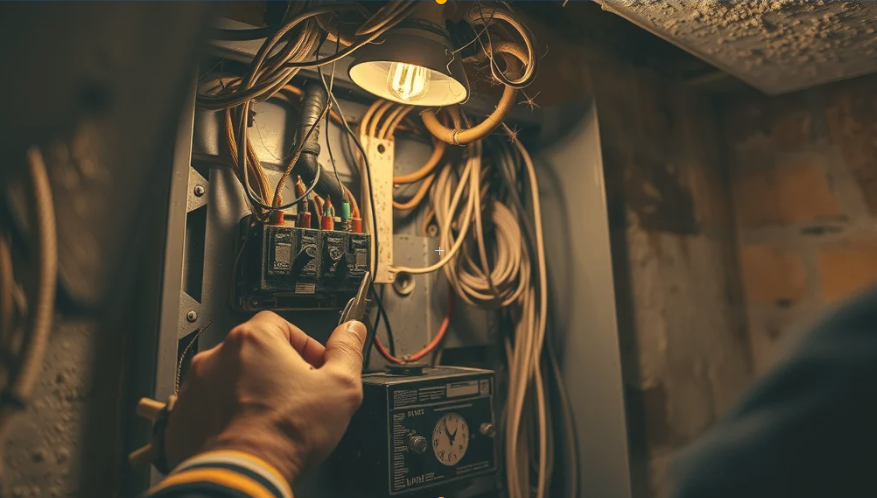
Electrician in The Orchard
That flickering light or warm outlet cover might be more than annoying - it could be an early warning sign. Here's the seven-digit number every homeowner in The Orchard should demand before letting anyone near their panel.
Key Takeaways
- Faulty wiring is a leading cause of residential electrical fires, making licensing one of the most important things to check before hiring anyone
- Ontario law requires electrical work to be performed by a Licensed Electrical Contractor carrying a 7-digit ECRA/ESA number, and this number should appear on estimates, business cards and trucks
- Warning signs such as flickering lights, tripping breakers, sparking outlets and burning smells mean a home's electrical system needs professional attention right away
- Crown Electric Ltd has served Oakville, Mississauga, Burlington and Etobicoke since 1991 and backs its work with a 100% satisfaction guarantee
Homeowners in The Orchard often encounter electrical problems at the worst possible moment - a breaker trips during dinner, an outlet sparks, or a renovation reveals wiring nobody expected to find. Knowing when to call a licensed professional, and why that licence matters so much, can make the difference between a quick fix and a costly, dangerous mistake.
Faulty Wiring Is a Leading Fire Cause
Electrical fires rank among the most serious risks a home can face, and the numbers behind them are hard to ignore. Faulty wiring is a leading cause of residential electrical fires, which means the person doing the wiring matters just as much as the materials used. A loose connection behind a wall, an overloaded circuit, or a panel installed without proper grounding can sit quietly for months before causing real damage.
This is why choosing a qualified electrician in The Orchard should be treated as a safety decision rather than a scheduling task. Modern homes pack more electrical demand into their systems than ever before, from EV chargers to smart thermostats to home theatres, and each addition raises the stakes if the underlying wiring is not up to the job. For a deeper look at what qualifies someone to do this work safely in the region, Crown Electric Ltd's guide to licensed electricians in Burlington walks through the credentials that separate a properly trained professional from a handyman with a toolbox.
Faulty work does not always look dramatic at first. Warm outlet covers, a faint burning smell, or a breaker that trips more often than it used to are all quiet warnings that something in the system is under strain. Catching these signs early, and knowing who is qualified to fix them, protects both the household and the property's long-term value.
Why Ontario Law Requires Licensing
Ontario does not leave electrical safety to chance or personal judgment. Provincial law states that only a Licensed Electrical Contractor may perform electrical work inside a home or business, and this rule exists specifically because faulty wiring is such a common fire risk. The Electrical Safety Authority (ESA) oversees this licensing system, setting the standards that every contractor must meet before touching a client's electrical panel or wiring.
Skipping this requirement to save money can create bigger problems down the road. Insurance companies can deny claims if unlicensed work contributed to a fire or fault, and municipalities can refuse to approve renovations that involved unpermitted electrical changes. Most major electrical projects also require an ESA permit, separate from any building permit, and permitted work gets inspected, which means a licensed electrician's involvement often protects a homeowner long after the job is finished.
What an ECRA/ESA Number Confirms
Every Licensed Electrical Contractor carries a 7-digit ECRA/ESA number, and this number is meant to be visible on business cards, service vehicles, and written estimates. It confirms the company has met the ESA's requirements and is authorized to pull the permits needed for electrical projects. Only a licensed contractor can pull an ESA permit, and that step matters because inspected work is far less likely to hide a dangerous fault behind drywall.
Homeowners should feel comfortable asking to see this number directly before signing any agreement. A reputable electrician will share it without hesitation, and once permitted work passes inspection, the ESA issues a Certificate of Acceptance, a document that carries real weight for resale and insurance purposes down the line.
Master Electrician Qualifications Explained
Behind every licensed contractor sits at least one Master Electrician responsible for overseeing the work performed. Reaching that designation in Ontario takes real time and effort. A candidate must be at least 18 years old, must have a minimum of three years of experience as a journeyperson electrician, and must pass the Master Electrician examination within the previous 12 months.
That exam, offered only through the ESA, is made up of 80 multiple-choice questions split evenly across three areas: the Ontario Electrical Safety Code, Worker Safety, and Business Administration. Passing requires at least 70% overall, with a minimum of 60% in each section, a structure designed to confirm that a Master Electrician understands the code, keeps a job site safe, and runs a compliant business. The 2024 edition of the Ontario Electrical Safety Code, effective May 1, 2025, is based on the 28th edition of the Canadian Electrical Code, so staying qualified remains an ongoing process rather than a single milestone.
Hidden Dangers of DIY Repairs
Replacing a light switch or swapping an outlet cover feels manageable enough for many homeowners, but electrical systems hide complexity that is easy to underestimate. DIY attempts can lead to code violations that surface during a future inspection, insurance complications if something goes wrong, or hazards as serious as fire and electric shock. What looks like a simple wiring swap can involve circuits that were never labelled correctly, or connections that interact with other parts of the home's system in ways that are hard to spot without training.
Modern homes add another layer of risk to DIY work. Smart home devices, EV chargers, and updated appliances all draw power in ways older wiring may not have been designed to handle, and an incorrect installation can affect everything from energy bills to the reliability of these systems. A licensed electrician brings diagnostic tools and code knowledge that catch problems a homeowner would have no way of spotting, and this gap is precisely what leads so many DIY repairs into trouble months after the work seemed finished.
Warning Signs Your Home Needs Help
Electrical problems rarely show up as a single dramatic event. More often, they build slowly through small clues that are easy to dismiss until they become urgent. The most common issues reported in homes across The Orchard include outdated wiring, breakers that trip repeatedly, faulty outlets or light switches, and panels overloaded by new appliances.
Certain signs should prompt a call right away, rather than a wait-and-see approach:
- Frequent power outages that are not related to the local grid
- Unusual burning smells near outlets, switches, or the panel
- Sparking outlets or visible damage around electrical components
- Persistent flickering lights that do not resolve on their own
Any one of these signals suggests the electrical system is under stress and may be close to a more serious failure. Reporting problems early, rather than waiting for them to worsen, protects the household and can prevent far more expensive repairs later on.
Vetting a Reliable Local Electrician
Choosing the right electrician among the many options serving The Orchard takes a bit of legwork. Prioritizing electricians who are fully licensed, continually educated on current code requirements, and experienced with projects similar to the one at hand narrows the field considerably. Experience matters here in a specific way: residential electrical systems often differ meaningfully from commercial ones, so a contractor's background should line up with the type of home project being planned.
Credentials, Insurance and Warranties
A reliable electrician will always provide proof of certifications and membership with local or provincial trade organizations, without hesitation or vague answers. Beyond the licence itself, insurance coverage protects homeowners if something goes wrong mid-project, and a written warranty on labour offers peace of mind that the work will hold up. Before any tools come out, it is worth asking directly:
- Is the electrician licensed and insured, with proof available on request?
- What experience does the electrician have with projects of similar size or complexity?
- Can the electrician provide references from recent, comparable jobs?
- How does the electrician approach unexpected complications once a project is underway?
These questions filter out contractors who are unwilling to be transparent, often the clearest early warning sign of a problematic hire.
Reviews, Response Times and Pricing
Customer feedback provides a practical window into how an electrician actually performs once hired. Look for reviews that mention punctuality, clear communication, and fair, up-front pricing rather than vague praise. Response time matters too, particularly for urgent issues, so ask any candidate how quickly they can arrive for an emergency call before signing on.
On pricing, service calls in The Orchard range from $120 for minor repairs to $350 or more for larger upgrades. Getting more than one quote allows for a fair comparison, but the lowest number is not automatically the best choice - warranty coverage, communication, and thoroughness all factor into whether a quote represents real value.
Why Local Expertise Pays Off
Local electricians bring a practical advantage that out-of-town contractors simply cannot match: familiarity with the specific codes and inspection practices used in the municipality. This reduces the chance of a project stalling over a permit issue or a misunderstanding about local requirements. Proximity also translates into faster response times during urgent situations, since a local team is not dispatching someone across the region to reach a home in trouble.
Reputation carries extra weight in a smaller community as well. An electrician whose business depends on word-of-mouth referrals within Burlington and the surrounding area has every incentive to deliver fair pricing and honest communication, because a poor experience travels quickly among neighbours. Choosing a local provider also keeps money circulating in the community, supporting small businesses and skilled trade jobs rather than sending that spending elsewhere.
Licensed Work Protects Homes for Decades
Electrical systems are built to last, and the quality of the work behind the walls determines how well they hold up over years of daily use. A properly licensed installation, backed by permits and inspections, gives homeowners confidence that wiring will perform safely as demands on the system grow, whether that means adding a hot tub, upgrading a panel, or installing an EV charger down the road. Crown Electric Ltd has applied that standard across residential, commercial and industrial projects in Oakville, Mississauga, Burlington and Etobicoke since 1991, backing its work with a 100% satisfaction guarantee.
Choosing a licensed, reputable electrician remains the clearest way to protect a home's safety, value, and long-term reliability. For homeowners ready to compare options with confidence, understanding what to look for in a licensed electrician is a solid first step toward getting the job done right.