


Ever wondered if your home’s electrical panel is truly ready for modern living—or if upgrading will future-proof your comfort? Whether you’re planning a kitchen renovation, installing an EV charger, or simply want to avoid power outages, understanding the choice between a 100 amp vs 200 amp electrical panel could save you from headaches, hazards, and costly surprises down the road.
What You’ll Learn About 100 Amp vs 200 Amp Electrical Panels
-
Key differences between a 100 amp vs 200 amp electrical panel
-
How to determine which amp panel is suited for your home
-
Load calculation and future-proofing your amp electrical system
-
Cost, installation, and upgrade considerations for electrical panels
Electrical Panel Choices: Understanding 100 Amp vs 200 Amp Electrical Panel
“Choosing between a 100 amp and 200 amp electrical panel depends on your home’s current needs and future electrical plans.” – Licensed Electrical Contractor
What is an Electrical Panel and Why Its Amp Rating Matters
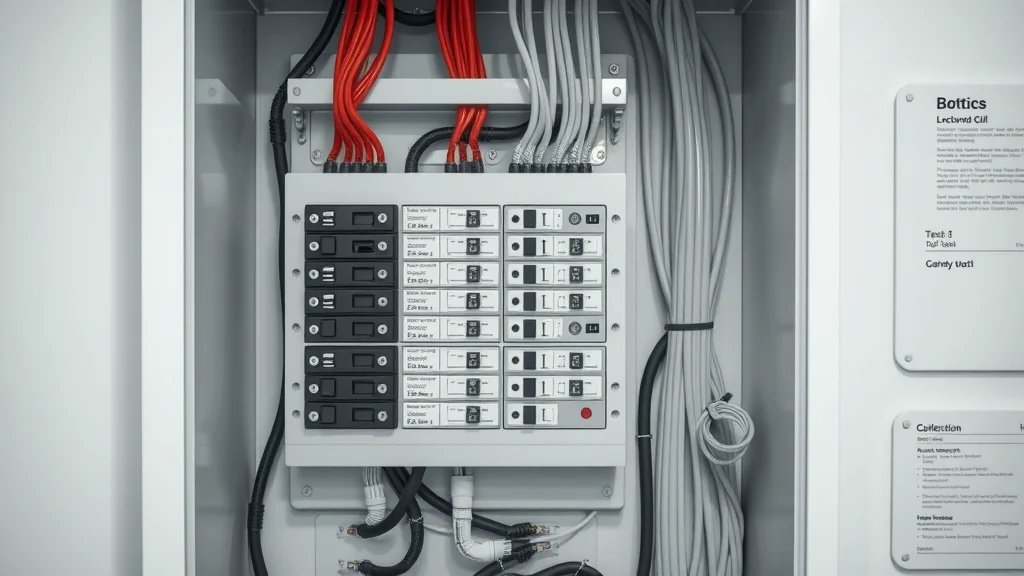
An electrical panel, often referred to as a breaker box or service panel, is the command center of your home’s electrical system. Its primary function is to distribute power to circuits throughout your house, maintaining the balance between safety and supply. The amp rating of your panel—typically either 100 or 200 amps—directly determines how much electrical load it can safely handle at one time.
Why does this matter? Modern homes with more appliances, heating and cooling systems, and devices (think: air conditioning, electric vehicles, kitchen appliances, and home offices) place higher demands on their electrical systems. If your amp panel is underrated, you risk tripping breakers, straining circuits, or worse—a power outage or fire hazard. Conversely, an appropriately sized amp electrical panel offers peace of mind, reliability, and the ability to “power your home” as you expand or upgrade.
Core Differences: 100 Amp Electrical Panel vs 200 Amp Electrical Panel
The main differences between a 100 amp vs 200 amp electrical panel come down to capacity, compatibility, and cost. A 100 amp panel may be sufficient for smaller homes or those with modest electrical demands. However, if you plan on adding a heat pump, hot tub, modern appliances, or an EV charger—or if you simply have a growing household—a 200 amp panel offers room to expand. It also meets the requirements of new builds and major renovations in many jurisdictions. Let’s break down the details.
|
Feature |
100 Amp Electrical Panel |
200 Amp Electrical Panel |
|---|---|---|
|
Amperage Capacity |
100 amps |
200 amps |
|
Compatibility |
Older/smaller homes, basic appliances |
Modern homes, major appliances, electric vehicles, heat pumps |
|
Best Use Cases |
Smaller home, limited upgrades, no major energy additions |
Larger home, renovations, EV charger, future-proofing |
|
Panel Upgrade Cost |
Lower (materials & labor) |
Higher (but more capacity) |
|
Future Expansion |
Limited |
Excellent |
Signs You Need to Upgrade Your Amp Electrical Panel
-
Common reasons for amp panel upgrades
-
Detecting power outages or power limitations
-
Expanding your home or adding new major appliances

If your home experiences frequent power outages, flickering lights, or tripped breakers, your amp panel may be struggling to keep up. Homes built decades ago—especially those with a 60 or 100 amp electrical system—weren’t designed to handle today’s electrical load from multiple kitchen appliances, air conditioning, hot tubs, or chargers for electric vehicles. Adding a heat pump, finishing a basement, or installing smart home systems can quickly push your existing amp electrical panel past its limit.
Among the most common reasons for a panel upgrade are renovations, the addition of energy-hungry appliances, or plans to introduce an EV charger that demands more consistent and higher current. An old or underpowered panel can not only limit how you power your home but also become a safety hazard and potentially void your home insurance if not kept up to code. Understanding your current electrical demand and watching for signs of panel stress empowers proactive upgrades—ensuring smooth, safe, and reliable power for all your needs.
Evaluating Your Home’s Electrical Demand and Load Calculation
“A proper load calculation is essential before planning a panel upgrade to avoid future power issues.”
Load calculation is a crucial step in determining whether your existing amp panel is suitable or if an upgrade is necessary. This process involves adding up the power requirements of all your home’s electrical devices, from kitchen appliances to heating/cooling systems, and accounting for any planned additions (like a heat pump, modern appliances, or a hot tub). By comparing your total electrical load against your panel’s ampacity, you identify your current and future needs—key to both avoiding overloads and planning cost-effective upgrades.
Consulting a qualified electrician for an official load calculation is recommended. Not only is it safer, but professional calculations also factor in details such as allowances for dedicated circuits, electric vehicle compatibility, and code compliance. With this knowledge, homeowners can confidently choose between a 100 amp vs 200 amp electrical panel, future-proof their investments, and avoid unexpected power outages or costly code violations.
Factors to Consider: 100 Amp vs 200 Amp Electrical Panel Upgrade
Current and Future Needs: Heat Pump, EV Charger, and Electric Vehicle Compatibility
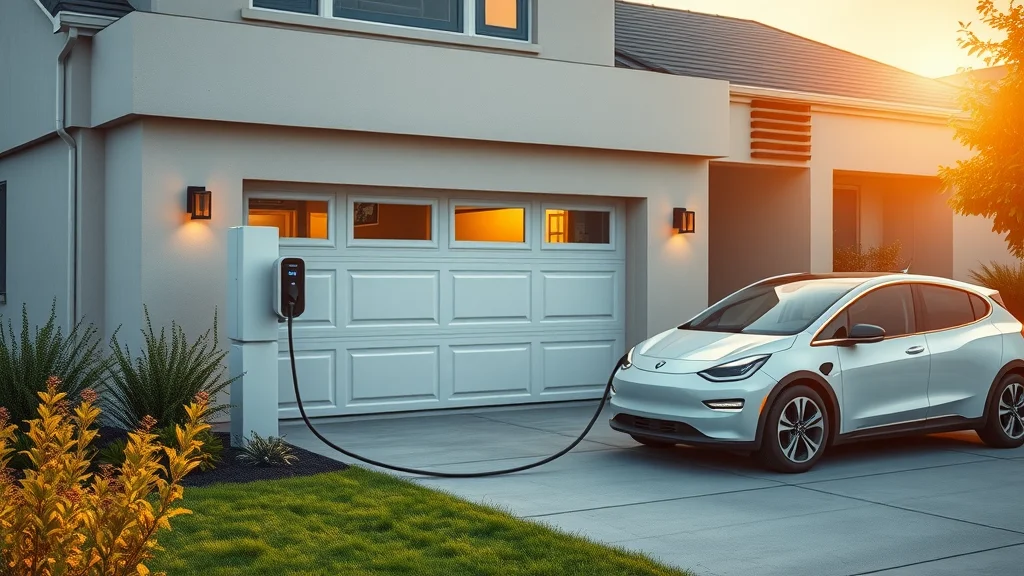
Today’s modern homes are embracing technology at a rapid pace. From the convenience of a smart kitchen to the rising popularity of electric vehicles, the electrical system you install now should accommodate both your current lifestyle and foreseeable future demands. A 100 amp panel might suffice for a smaller home with basic requirements, but adding a heat pump for efficient heating/cooling or an EV charger for your car can tip the balance beyond its safe capacity.
If you’re considering upgrades that include high-wattage additions—such as a hot tub, air conditioning, or a home office with significant electronics—leaning toward a 200 amp electrical panel becomes more than just practical. It’s about investing in the reliability and flexibility of your electrical system. With growing concerns about energy efficiency and the drive toward sustainability, more homeowners are finding that a 200 amp panel transforms from an option to a necessity.
Safety, Code Compliance, and Power Outage Prevention in Amp Electric Installations
Beyond convenience, safety and compliance should be at the heart of any panel upgrade. Electrical codes evolve to minimize risks—such as fire, shock, or power outages from overloaded systems—by mandating sufficient capacity, modern breakers, and proper installation methods. Upgrading to a compliant 200 amp electrical panel not only reduces the risk of hazardous overloads but also ensures your home meets or exceeds regional electrical codes. This can play a critical role in home insurance eligibility, property value, and even real estate transactions.
Choosing the right amp electric panel and having it properly installed by a qualified electrician helps you avoid the most common errors, like double-lugging (improperly connecting multiple wires to one breaker) or introducing unsafe modifications. Reliable upgrades support essential modern appliances, reduce disruptions, and add an important layer of resilience against power outage scenarios—especially in regions where storms or grid instability are concerns.
Cost Analysis: 100 Amp Panel vs 200 Amp Panel Upgrade
|
Cost Component |
100 Amp Panel Upgrade |
200 Amp Panel Upgrade |
|---|---|---|
|
Labor |
$800 – $1,500 |
$1,200 – $2,500 |
|
Materials (Panel & Breakers) |
$300 – $600 |
$500 – $1,100 |
|
Permits & Inspection |
$150 – $400 |
$200 – $600 |
|
Possible Insurance Savings |
Low |
Medium – High |
|
Total Average Cost |
$1,250 – $2,500+ |
$1,900 – $4,500+ |
While a 100 amp panel upgrade is less expensive up-front, choosing a 200 amp electrical panel can offer better value if you anticipate upgrades, growing energy needs, or plan to increase your home’s market value. Some insurance providers also reward compliance and future-proofing by reducing premiums for homes with modern, code-compliant panels. Always seek detailed quotes from licensed professionals, as costs can vary by region, panel location, and complexity of the installation.
Step-by-Step Guide to Upgrading Your Electrical Panel
-
Checklist: Preparing for a panel upgrade
-
Determine current and future electrical needs (evaluate appliances, planned renovations)
-
Arrange for a professional load calculation by a qualified electrician
-
Obtain required permits and schedule inspections
-
Select your desired panel size and position in your home
-
Inform your utility provider about planned service interruption
-
-
What to expect during professional amp panel installation
-
Shut-off of main power supply for safety
-
Removal of the old panel and installation of the new amp electrical panel
-
Testing and labeling of circuits for easy identification
-
Final inspection and utility reconnection
-
Cleanup and restoration of the work area
-
Common Mistakes Homeowners Make with Amp Electrical Panels
Among the most frequent DIY pitfalls is underestimating load requirements or oversimplifying code compliance. Some homeowners install an amp panel that’s insufficient for their electrical demand, leading to constant tripping, power outages, or even increased risk of electrical fires. Others may skip permits or professional inspections, not realizing that improper work can void insurance and introduce legal issues.
Another common mistake is “making do” with an old, overloaded panel when renovating or adding new appliances like an EV charger. A qualified electrician ensures the right calculations, safe rewiring, and proper grounding—making every upgrade a step toward safer, more reliable power for your family. Don’t cut corners. Always prioritize safety, future needs, and code-compliant installations for your home’s vital electrical systems.
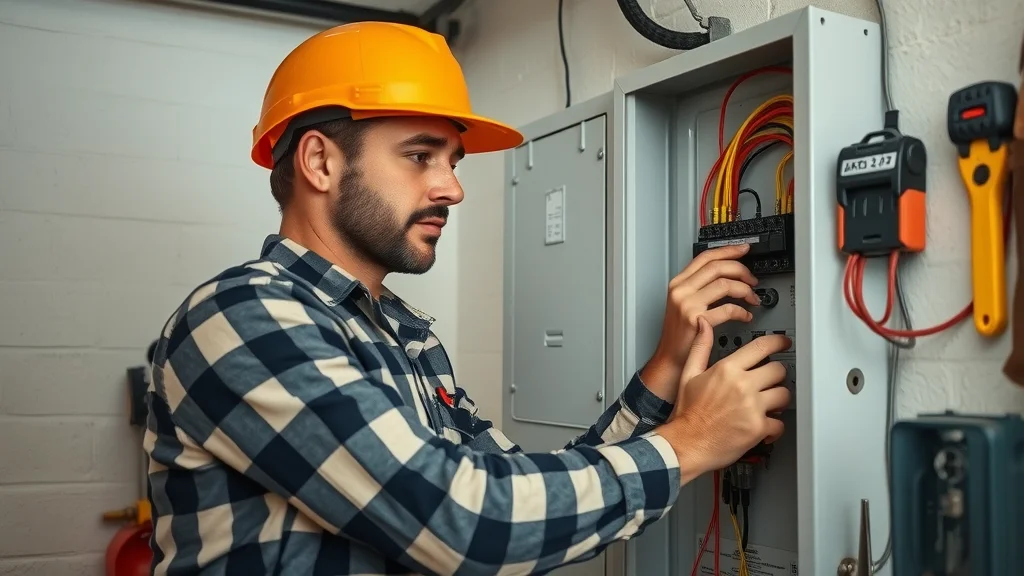
Watch this comprehensive walkthrough that visually compares 100 amp and 200 amp electrical panels—from the layout of breakers to the capacity differences for modern home features like amp electric cooking, air conditioning, and electric vehicle charging.
This expert-led video guides you through evaluating your home’s electrical load, planning for current and future needs, and making an informed decision about your next panel upgrade.
People Also Ask: 100 Amp vs 200 Amp Electrical Panel
Can you replace a 100 amp panel with a 200 amp panel?
Absolutely. Replacing a 100 amp panel with a 200 amp panel is a common home improvement—especially in older homes experiencing elevated electrical demand or undergoing renovations. The upgrade involves removing the old panel, upgrading main service wires if needed, and installing a new 200 amp electrical panel compliant with prevailing codes. Always use a qualified electrician, as this work requires permits, inspection, and coordination with your local utility.
Detailed explanation on replacing and upgrading amp panels, and what homeowners should consider.
The process starts with a detailed load calculation to assess whether your anticipated demands—like a heat pump or EV charger—justify the upgrade. Your contractor will handle permitting, power shutoff with your utility, and careful installation, ensuring all new wiring and circuit breakers fit your home’s power needs. Upgrading may also require additional work, like replacing outdated earthing or meter bases. This not only increases safety but helps you future-proof for modern appliances and growing family requirements.
Is 100a better than 200a for a house?
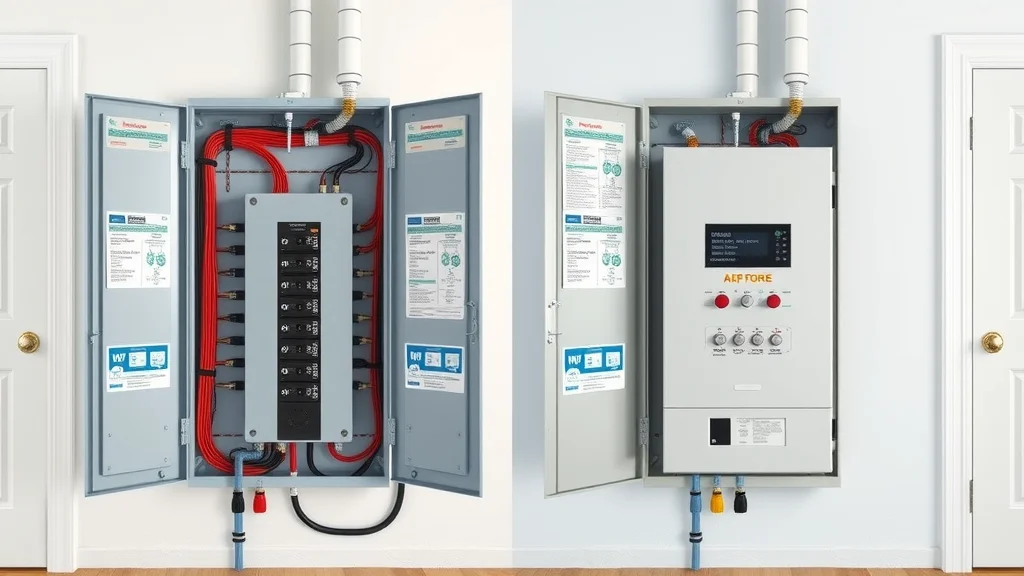
The answer depends on your household’s size and lifestyle. A 100 amp panel is often sufficient for small homes with modest energy needs—think one or two-bedroom houses without heavy appliances or electric vehicles. However, a 200 amp panel is advised for modern homes with air conditioning, multiple bathrooms, and future upgrades like EV chargers or hot tubs. Choosing 200 amps means fewer upgrades down the road and greater peace of mind for families planning to “grow into” their homes.
Comparing usage scenarios, pros and cons, and the suitability of each panel size.
A 100 amp panel is cost-effective and sufficient for smaller homes or condos with limited appliances. Pros include lower installation costs and simpler upgrades, but cons are limited headroom and compatibility with major upgrades. A 200 amp panel, on the other hand, offers more breaker space, supports expansions, and accommodates high-demand additions. Its only drawbacks are higher up-front cost—but with greater flexibility and insurance savings, it’s usually the preferred choice for new builds or growing families.
Do I need 100A or 200A service?
Determining if you need 100A or 200A service comes down to an honest review of your electrical load and future plans. If you own or plan on buying an electric vehicle, installing a heat pump, or anticipate more people using the home with energy-intensive devices, a 200 amp panel is the safer, more convenient choice. For smaller homes with few high-wattage devices, 100 amps might suffice—but always consult a qualified electrician for a personalized assessment.
Assessing your home’s load needs, future-proofing, and applicable code requirements.
Consider factors like additional circuit requirements, planned renovations, and updated local code mandates (many now recommend at least 200 amps for new construction). Future-proofing your amp electrical system reduces risk, helps with property value, and simplifies adding upgrades later. Don’t forget: even with modest current needs, a 200 amp panel may offer the safest, most cost-effective solution in the long run.
How much to upgrade a 100 amp panel to a 200 amp panel?
The average cost ranges between $1,900 and $4,500 for a professional upgrade, depending on local labor rates, permits, panel brand, location, and additional work needed (such as service entrance modifications or updated grounding). Getting multiple quotes from licensed electricians will ensure you receive a fair price and transparent breakdown of expenses. Investing now can save you from additional upgrade costs and insurance complications later.
Average cost ranges, influencing factors, and how to get professional quotes.
Total costs are influenced by panel accessibility, home age, the need for new wiring or meter bases, and the cost of required permits or inspections. Ask for a written, itemized estimate that covers labor, materials, permit fees, and post-upgrade inspection, and factor in possible savings on your insurance premiums. Most pros offer free site visits and expert advice that can help you budget accurately for your panel upgrade.
FAQs on 100 Amp vs 200 Amp Electrical Panels
-
Do amp panel upgrades increase home value?
Yes—modern, code-compliant amp panels are attractive to buyers and can raise your home’s market value while providing assurance for insurance and safety. -
Is a permit required for a 200 amp electric panel installation?
Absolutely. Local codes require permits and inspections for electrical panel upgrades to ensure safety and code compliance. -
How long does a typical amp electrical panel upgrade take?
Most upgrades are completed within a day, depending on complexity and any required service changes or inspections.
Key Takeaways: Choosing the Right Electrical Panel for Your Home

-
A 200 amp electric panel is ideal for larger homes or future high-load upgrades.
-
A 100 amp electrical panel may be sufficient for smaller homes or homes with modest energy needs.
-
Consider load calculation, planned renovations, and electric vehicle or heat pump additions before upgrading.
Ready for Your Electrical Panel Upgrade?
Call us at 905-847-2804 for an estimate.
Sources
-
The Spruce – https://www.thespruce.com/how-to-upgrade-your-electrical-service-1152559
-
Angi – https://www.angi.com/articles/cost-install-electric-panel.htm
-
Family Handyman – https://www.familyhandyman.com/list/safe-electrical-panel-upgrade/
-
Home Depot – https://www.homedepot.com/c/ab/types-of-breaker-boxes/9ba683603be9fa5395fab9016d7a2d8
When considering an upgrade from a 100-amp to a 200-amp electrical panel, it’s essential to understand the key differences and benefits associated with each option.
Capacity and Suitability: 100-Amp Panel: Typically sufficient for smaller homes with minimal electrical demands. It can handle basic appliances and lighting but may struggle with high-demand devices.
200-Amp Panel: Designed for modern homes with higher electrical needs, including central air conditioning, electric vehicle chargers, and multiple large appliances. It offers ample capacity for current and future expansions.
Cost Considerations: Upgrading to a 200-amp panel involves higher initial costs, typically ranging from $1,500 to $3,000, depending on factors like labor, materials, and regional pricing. However, this investment can enhance your home’s electrical capacity and safety.
Safety and Future-Proofing: A 200-amp panel reduces the risk of overloaded circuits, frequent breaker trips, and potential fire hazards. It also accommodates future additions like electric vehicle chargers or home expansions without the need for further upgrades.
Visit our home page at https://crownelectricltd.ca for more insights.
Conclusion: If your home has modest electrical needs and no plans for significant upgrades, a 100-amp panel may suffice. However, for modern households with higher power demands or future expansion plans, upgrading to a 200-amp panel is a prudent choice to ensure safety, reliability, and capacity for growth.