


Did you know that homes with aluminum wiring are a staggering 55 times more likely to face a fire hazard at a connection than homes wired with copper? This shocking statistic from the U. S. Consumer Product Safety Commission highlights the critical importance of understanding— and rectifying—aluminum wiring in your home for safety and insurance peace of mind.
Startling Safety Statistics: Why Aluminum Wiring Replacement for Safety Hazards Matters
Aluminum wiring was once considered an innovative solution for residential electrical systems, especially during periods when copper prices soared. However, extensive studies have revealed that aluminum wiring replacement for safety hazards is essential due to the major fire risks it introduces. In fact, many insurance companies and safety boards now require homeowners to address this wiring before issuing or renewing coverage because of the increased potential for fire hazard conditions.
Modern electrical systems are built with significantly safer materials and connection standards, but thousands of homes still contain outdated aluminum wire installations. These pose lurking dangers—primarily because aluminum expands and contracts more than copper, leading to loose connections, arcing, and overheating. According to the Consumer Product Safety Commission, houses with such wiring face much higher risk of electrical fires and must comply with updated insurance requirements to ensure their home stays protected and insurable.
Understanding the Fire Hazard of Aluminum Wiring in Residential Properties
When aluminum wiring ages, it becomes oxidized and brittle, unlike its copper counterpart. This oxidation increases the resistance at joints and connections, potentially generating enough heat to ignite nearby combustible materials. Additionally, as aluminum expands and contracts, it can cause loose connections inside outlets, switches, and electrical panels—one of the leading warning signs of a potential fire hazard. Failure to address these risks through aluminum wiring replacement for safety hazards jeopardizes not only the structural integrity of your house, but also the safety of everyone living inside.
According to the U.S. Consumer Product Safety Commission, homes with aluminum wiring are 55 times more likely to experience a connection-related fire hazard than copper-wired homes.
What You’ll Learn from This Aluminum Wiring Replacement for Safety Hazards Guide
-
Detailed risks associated with aluminum wiring
-
Warning signs that indicate unsafe aluminum wiring
-
Code, legal, and insurance compliance issues
-
Steps and methods for aluminum wiring replacement for safety hazards
-
Choosing a licensed electrician and understanding costs
-
Copper wiring benefits and alternatives
What Is Aluminum Wiring? Identifying the Fire Hazard in Your Electrical Service
Aluminum wiring was commonly used in Canadian homes, especially those built between the mid-1960s and late-1970s, during a time when copper was both expensive and limited in supply. While the initial intent was to maintain reliable electrical service at a lower cost, further research underscored the dangers—and insurance risks—this material presented.
Aluminum wire looks similar to copper but can be quickly identified by its silvery color versus the reddish-brown hue of copper wire. The metal’s physical properties make it more susceptible to corrosion and heat build-up—a major contributor to fire hazard conditions in older residential electrical systems. Knowing how to spot and assess the presence of aluminum wiring is essential for fire prevention and ensuring your home is insurance compliant.
A Brief History: Aluminum Wire Use in Canadian Homes
The widespread use of aluminum wiring in Canadian homes spanned roughly from 1965 to 1976. During this period, the price of copper skyrocketed, leading builders to seek cost-effective alternatives. As a result, many homes built in this era contain aluminum wiring in their branch circuits—those responsible for powering outlets, lights, and appliances. Initially, industry experts believed aluminum would provide a safe, durable electrical service when properly installed. However, it quickly became evident that aluminum expands under heat and contracts when cool, leading to the infamous “loose connection” hazard. Over time, these loose connections increased fire risk and prompted major updates to the safety standards for residential wiring.
Key Characteristics of Aluminum Wiring: Warning Signs to Watch
Recognizing warning signs of aluminum wiring issues can help prevent disaster before it strikes. Aluminum wiring is less flexible than copper and is prone to oxidation, meaning its surface can darken or appear powdery grey. Look for insulation stamped with “AL” or “Aluminum” as a clue that your home was built during the aluminum wiring boom. Frequent unexplained circuit breaker trips, flickering lights, and unusual warmth at outlets or switches all point toward aged or compromised aluminum wire.
-
Discoloration of outlet or switch cover plates
-
Flickering lights and intermittent power loss
-
Scorched marks or a burning smell near outlets
-
Electrical panels or outlets feeling noticeably warm
-
Visible deterioration or loose wires in junction boxes
Why Aluminum Wiring Replacement for Safety Hazards Is a Priority
Fire hazard prevention is the number one reason that aluminum wiring replacement has become essential for older homes. Unlike copper, aluminum is less conductive and prone to expanding and contracting with heat cycles, significantly increasing the risk of loose connections and arcing. These hazard conditions are directly responsible for many residential fires reported to the Consumer Product Safety Commission. It’s not just a safety concern—major insurance companies now view replacement or professional repair as a non-negotiable step for continued home insurance eligibility.
Deteriorating aluminum wiring doesn’t just flag an electrical issue; it puts property, lives, and your financial security at risk. As safety standards have evolved, compliance with current wire safety codes is now required for most insurance policies. Homeowners need to understand that addressing these risks promptly—ideally through replacement—protects not only the home, but everyone inside.
Major Fire Hazard Risks: Aluminum vs. Copper Wiring
When comparing aluminum wiring to copper wiring, the difference in fire hazard potential is clear. Copper offers superior conductivity and stays cooler under load, making it far less likely to cause overheating at terminals and outlets. In contrast, aluminum wiring naturally develops resistance at connection points, which is greatly exacerbated if the wiring was installed before modern torque and anti-oxidant standards were set. This elevated resistance can produce enough heat to start a fire, sometimes hidden from plain view until it’s too late.
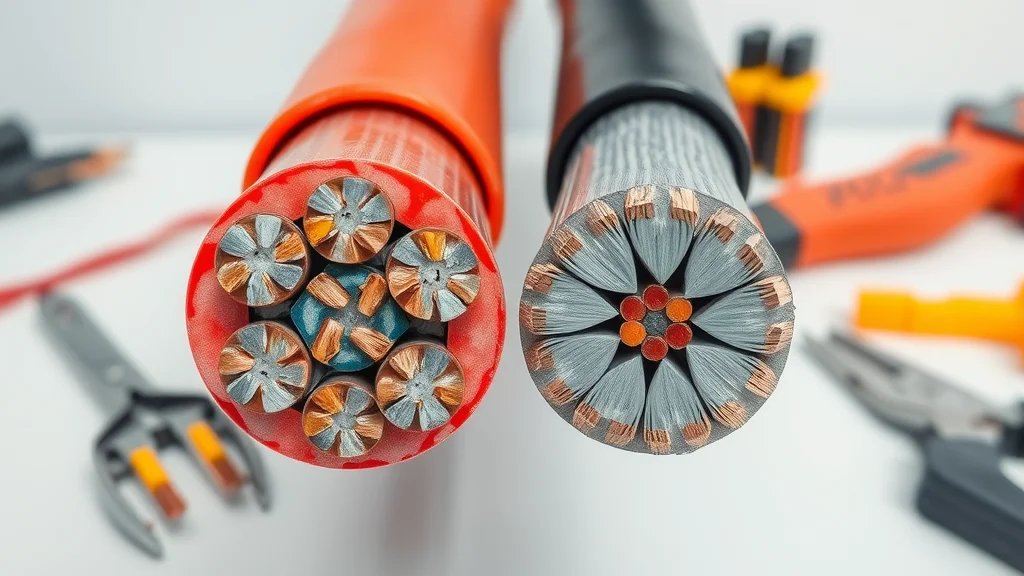
In fact, the critical difference in fire risk has influenced building codes worldwide, leading most professionals to recommend or require complete aluminum wiring replacement for safety hazards and to opt for copper wire whenever possible for new installations and repairs.
Insurance Requirements: Aluminum Wiring and Electrical Service Compliance
Most insurance companies view unmodified aluminum wiring as a red flag and a major liability risk. For homeowners, failure to replace or appropriately upgrade such wiring can mean denied claims, policy non-renewal, or outright refusal to insure the home. Insurance providers typically require a licensed electrician’s sign-off, confirming that either the wires have been fully replaced or that mitigation methods such as approved connectors or copper pigtailing are in place and meet current code.
Many insurance providers require aluminum wiring replacement for safety hazards before offering full home coverage.
Warning Signs Your Home Needs Aluminum Wiring Replacement for Safety Hazards
Identifying the following visible and functional warning signs may indicate urgent action is needed to protect your home from serious hazards. Discoloration around outlets or switch plates, “fishy” or burning smells, flickering lights, and electrical panels that run warmer than normal are classic red flags. Homeowners should not ignore these signals, as they frequently indicate underlying electrical faults tied to aging aluminum wire.
-
Discoloration at outlets or switches
-
Burning smells or overheating near sockets
-
Frequent circuit trips or flickering lights
-
Panels and outlets that are hot to the touch
Understanding Electrical Panel Issues from Aluminum Wiring
One often-overlooked aspect of aluminum wiring fire hazard is how it silently impacts your electrical panel. Heat build-up from loose connections or corroded terminal lugs in electrical panels can lead to melted insulation, arcing, and even small internal fires—further threatening your home and safety. If your electrical panel feels warm, smells burnt, or has visible darkening near the wiring, immediate inspection by a licensed electrician is crucial. Remember, electrical panels are the nerve center of your electrical system, and any hint of trouble here could spell a fast-moving hazard.
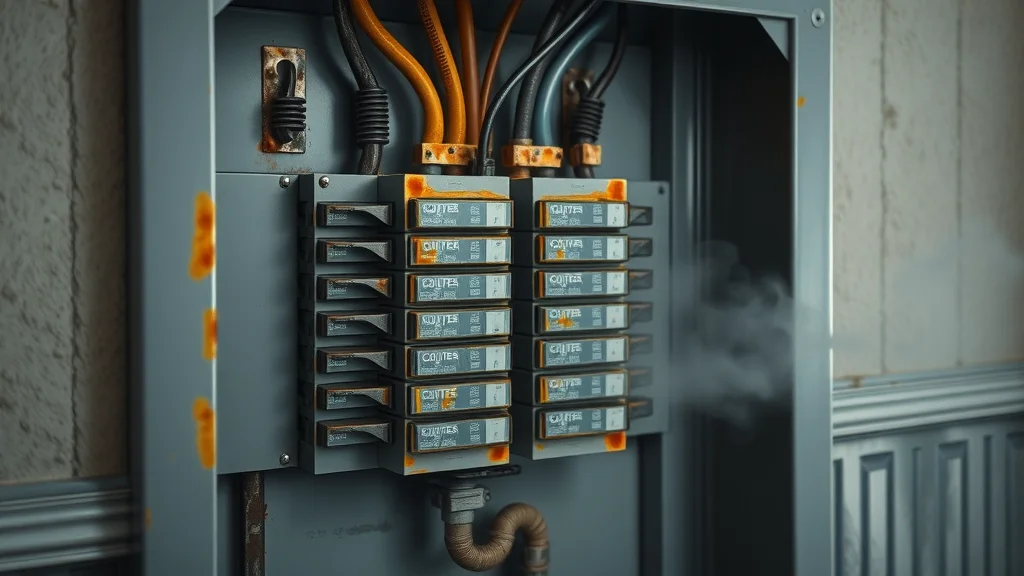
Don’t wait for catastrophic failure. Schedule an inspection if you notice any unusual panel activity, as reliable electrical service depends on a safe and compliant panel.
Professional Assessment: When to Call a Licensed Electrician
If you have identified one or more warning signs associated with aluminum wiring, call a licensed electrician as soon as possible. Professional assessment is crucial for accurately pinpointing hazard areas, determining the scope of required upgrades, and recommending whether full replacement or approved repairs (such as connector retrofits) are appropriate. Only a certified electrician can guarantee that the wiring meets current safety standards and insurance requirements, giving you both peace of mind and a safer home.
Table: Comparing Aluminum Wiring to Copper Wiring for Residential Safety
|
Feature |
Aluminum Wiring |
Copper Wiring |
|---|---|---|
|
Fire Hazard Risk |
High (prone to overheating and loose connections) |
Low (stable connections, minimal overheating) |
|
Longevity |
Shorter lifespan due to oxidation and brittleness |
Long-lasting, highly durable |
|
Insurance Compliance |
Often not compliant without mitigation or replacement |
Fully compliant with current codes |
|
Electrical Service Reliability |
Inconsistent, susceptible to arcing and voltage drops |
Consistent and highly reliable |
Aluminum Wiring Replacement for Safety Hazards: Step-by-Step Process
Replacing aluminum wiring is a multi-stage process that demands strict adherence to safety and code. While some homeowners attempt repairs themselves, this is never advised—both for insurance reasons and personal safety. Here’s a professional approach to ensuring your electrical system is hazard-free and compliant:
-
Step 1: Inspection by a licensed electrician
-
Step 2: Identifying and prioritizing urgent fire hazard areas
-
Step 3: Safe removal and replacement with copper wiring or approved connectors (e.g., AlumiConn)
-
Step 4: Upgrading electrical panel if required
-
Step 5: Final inspection and insurance documentation
Each step is essential not just for minimizing risk but also for meeting the strict requirements of today’s insurance companies and local building authorities. An experienced, licensed electrician will ensure your home is not only electrically sound but also legally insurable—offering lasting peace of mind for your family.
Cost Considerations: Aluminum Wiring Replacement for Safety Hazards
The cost of aluminum wiring replacement for safety hazards depends on several critical factors. Variables include the size of your home, the accessibility of existing wiring, the extent of required panel upgrades, and whether a full replacement or connector-based solution is chosen. Geographic location and regional labor rates also play a significant role. Homeowners should always request a detailed, written estimate from a trusted licensed electrician to ensure all code and insurance standards will be met.

What Influences the Cost of Aluminum Wiring Replacement?
• Home Size: Larger properties require more labor and materials. • Scope of Work: Full room rewiring is more intensive than correcting isolated circuits. • Panel Upgrades: Older electrical panels may need upgrades to safely handle modern requirements. • Methods Used: Full copper replacement is more costly than partial repairs with approved connectors. • Documentation: Insurance-mandated compliance reports or inspections may incur additional fees.
Typically, rewiring a standard single-family home can cost between $8,000 to $20,000 depending on these variables. However, “pigtailing” repairs with technology like AlumiConn connectors can decrease expenses, though this is best determined by a certified professional after inspection.
How to Get an Accurate Estimate from a Licensed Electrician
Contacting a licensed electrician for an in-home assessment is the only way to get a truly accurate estimate. During this visit, the electrician will inspect all accessible wiring, evaluate your electrical panel, diagnose any hidden issues, and prepare a recommendation for either full replacement or code-compliant repairs. Make sure you request a breakdown of all costs, including labor, materials, inspections, permits, and insurance documentation.
Watch a short educational video demonstration by a certified electrician, covering the end-to-end process: initial inspection, safe removal of old aluminum wires, installation of copper alternatives, safety checks, and completion of insurance-required documentation. See firsthand how each step enhances safety and insurance compliance!
Expert Insights: Licensed Electricians on Aluminum Wiring and Insurance Compliance
“Replacing aluminum wiring not only minimizes risk, but is often the only way to maintain insurance coverage for your home,” — Certified Electrical Contractor
Many licensed electricians stress that both full replacement and certain retrofit methods can be effective solutions when performed to code. However, they caution homeowners to avoid DIY repairs and instead prioritize hiring experienced, credentialed professionals—especially when insurance and fire liability are involved. Not only does this guarantee a safe home, but it ensures that documentation stands up to insurer and regulatory scrutiny.
Alternatives to Full Aluminum Wiring Replacement for Safety Hazards
Although full removal and replacement with copper wiring remains the “gold standard” for mitigating fire hazard, several tested alternatives have emerged. Modern technologies—such as AlumiConn connectors and COPALUM crimping—allow electricians to make safe, code-compliant repairs without necessarily removing every inch of original wire. These alternatives can offer a cost-effective solution for certain homes, but must be implemented by a licensed electrician and verified for insurance compliance.
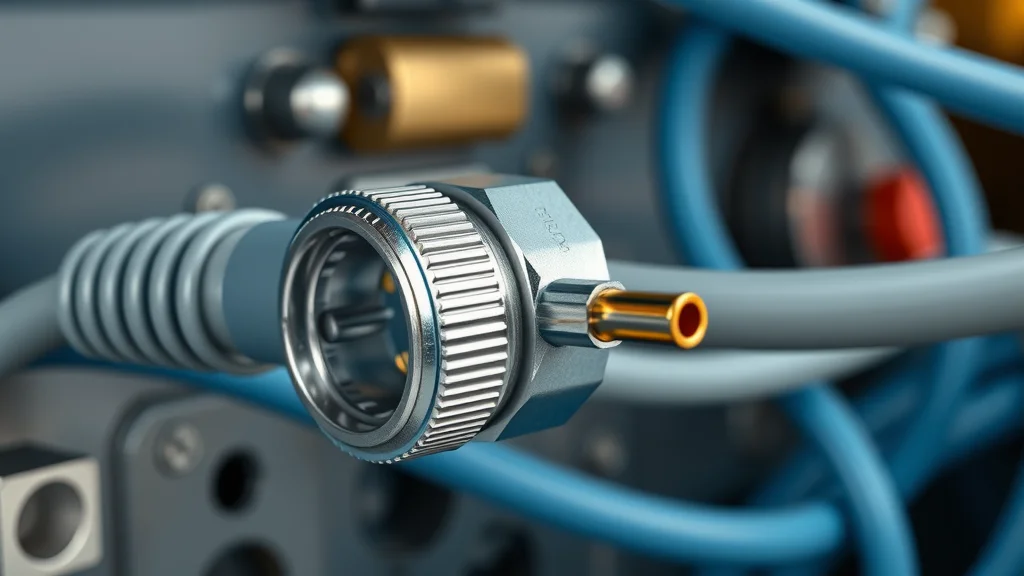
Are There Safe Mitigation Methods Besides Replacement (E.g., COPALUM and AlumiConn Connectors)?
Yes. Two main repair methods are approved by major safety boards: COPALUM Crimp Connectors: A specialized tool compresses a copper “pigtail” onto aluminum wiring, creating a permanent, low-resistance bonded connection. AlumiConn Connectors: Mechanical connectors designed to join aluminum and copper safely, reducing loose connection risk and meeting new code requirements. Both are recognized as acceptable by the Consumer Product Safety Commission, provided they’re installed by expert technicians.
Pros and Cons: Full Replacement vs. Repair/Connecting Methods
Full Replacement Pros: Eliminates all future aluminum-specific hazards, maximizes home value/resale, and is preferred by most insurers. Cons: High initial cost, invasive (walls, ceilings may be opened). Connector Repairs Pros: More affordable, less disruptive, often sufficient for insurance compliance if properly installed. Cons: Requires periodic inspection/maintenance, and not always accepted by every insurer.
-
Alternative methods approved by safety boards: COPALUM, AlumiConn
People Also Ask: Aluminum Wiring Replacement for Safety Hazards
Is aluminum wiring legal in Canada?
Aluminum wiring itself is still legal in Canada, but current building codes require that it is installed and maintained to extremely strict safety standards. Insurance companies may refuse or restrict coverage for homes with unmodified aluminum wiring, so homeowners should consult a licensed electrician for a compliance report.
What are alternatives to aluminum wiring?
Besides full replacement with copper wire, code-approved connector technologies like COPALUM and AlumiConn can make most aluminum-wired homes compliant and safe. Repairing aluminum wiring with these certified connectors creates a permanent bond and reduces fire risk, but always check with your insurer for acceptable alternatives.
Is aluminum wiring hazardous?
Yes, aluminum wiring is widely recognized as a fire hazard, particularly in homes built from 1965 to 1976. Loose connections, oxidation, and improper installation increase the risk of arcing, overheating, and ultimately, electrical fires. Proactively replacing or repairing aluminum wiring is the most effective way to keep your home safe.
Can you do something to aluminum wiring other than replace it all?
Absolutely! If a full replacement isn’t feasible, approved connector solutions—like AlumiConn or COPALUM—allow homeowners to make code-compliant, insurer-approved repairs without tearing out all the original wiring. Always have these repairs performed and documented by a licensed electrician.
Detailed Answers to People Also Ask on Aluminum Wiring Replacement and Safety Hazards
If you’re considering whether to replace or repair, understand that every home is unique. Some insurance companies will accept certified connector repairs as an “effective solution,” while others demand full removal. Your decision should factor in safety, budget, resale, and compliance priorities.
Frequently Asked Questions: Aluminum Wiring Replacement for Safety Hazards
-
How much does aluminum wiring replacement cost? Costs vary, but plan for $8,000–$20,000 for full replacement or $2,000–$5,000 for connector repairs—depending on home size & scope.
-
Is it covered by home insurance? Most insurers require you to upgrade or repair aluminum wiring to retain full coverage; always submit professional documentation.
-
Do you need permits or inspections? Yes, provincial and financial institutions typically demand municipal permits, inspections, and proof of code compliance from a licensed electrician.
-
Can you sell a home with aluminum wiring? Yes, but buyers and insurers will likely require safety certification or documented repairs.
-
What documentation do insurers want? Completion certificate, invoice, and proof of code-compliant work by a licensed electrician.
Watch an expert overview by a licensed electrician, discussing real-world case studies about aluminum wiring replacement, code upgrades, and how insurance requirements have evolved to prioritize homeowner safety in Canada and beyond.
Key Takeaways About Aluminum Wiring Replacement for Safety Hazards and Insurance
-
Insurance compliance and safety demand prompt action to mitigate aluminum wiring fire hazards.
-
Licensed electricians are the only professionals qualified to assess and correct aluminum wiring issues for residential safety and compliance.
-
Copper wiring replacement or approved connector repairs are the most effective long-term solutions.
-
Documented, code-compliant repairs are critical to maintaining full insurance coverage and home value.
Ensure Your Home’s Safety—Get a Quote for Aluminum Wiring Replacement for Safety Hazards
Call us at 905-847-2804 for an estimate.
Conclusion
Replacing or repairing aluminum wiring is the surest way to protect your family, comply with insurance standards, and enjoy lasting peace of mind. Don’t wait until warning signs become emergencies—act today for a safer home!
Sources
Aluminum wiring in homes, particularly those built between the mid-1960s and late-1970s, poses significant safety hazards due to its tendency to expand and contract with temperature changes, leading to loose connections and potential fire risks. The U. S. Consumer Product Safety Commission (CPSC) has identified aluminum wiring as a serious fire hazard, noting that homes with aluminum wiring are up to 55 times more likely to have connection-related fire hazards than those with copper wiring. (cpsc. gov) To mitigate these risks, the CPSC recommends several repair methods, including the complete replacement of aluminum wiring with copper wiring or the use of approved connectors like the COPALUM crimp connector. These solutions have been thoroughly tested and proven to provide permanent, safe repairs for aluminum wiring issues. (cpsc. gov) If you’re serious about ensuring your home’s electrical safety and maintaining insurance compliance, these resources will provide you with the necessary information and solutions to address aluminum wiring hazards effectively.
Visit the Crown Electric Ltd home page at https://crownelectricltd.ca for more information.