



Have you ever wondered whether a central air conditioner or a heat pump is truly the best solution for your home’s comfort—and what’s involved in wiring each system safely and efficiently? As homeowners seek both comfort and savings, understanding the differences between central air vs heat pump installation—including their electrical requirements—can be the key to a smarter, more energy-efficient home. This guide breaks it all down, helping you make the best possible decision for your climate, budget, and household needs.
Unlocking the Best Home Comfort: Central Air vs Heat Pump Installation
Choosing between a central air conditioner and a heat pump system is a crucial step in securing your home’s comfort year-round. Both options offer unique advantages but also have specific installation and electrical considerations that can impact your daily life, your budget, and the environment. Whether you’re looking to cool your home in the heat of summer or maintain a cozy warmth in winter, understanding the core differences, energy efficiency, and cost implications of each system will empower you to make an informed decision. Let’s explore these vital insights on central air vs heat pump installation so you can find the ideal fit for your home and electrical setup.
What You’ll Learn in This Central Air vs Heat Pump Installation Guide
-
Key differences between central air conditioner and heat pump installation
-
Electrical requirements for each system
-
Pros and cons of both air conditioner and heat pump systems
-
Detailed energy efficiency comparisons
-
Cost and operational insights
-
Expert advice on selection and installation
Understanding the Basics: Central Air Conditioner vs Heat Pump
When selecting the right cooling system for your home, it’s essential to understand the key characteristics that set central air conditioners apart from heat pumps. Both are integral to modern ac systems, but they serve slightly different functions. A central air conditioner is designed exclusively for cooling indoor air, relying on a dedicated cooling mode to remove heat from your indoor space. On the other hand, a heat pump is versatile—capable of providing both cooling in summer and efficient heating in winter by reversing its operation to move heat either in or out of your home as needed. This core difference not only impacts comfort but also involves distinct electrical requirements and potential energy savings.
What Is a Central Air Conditioner?
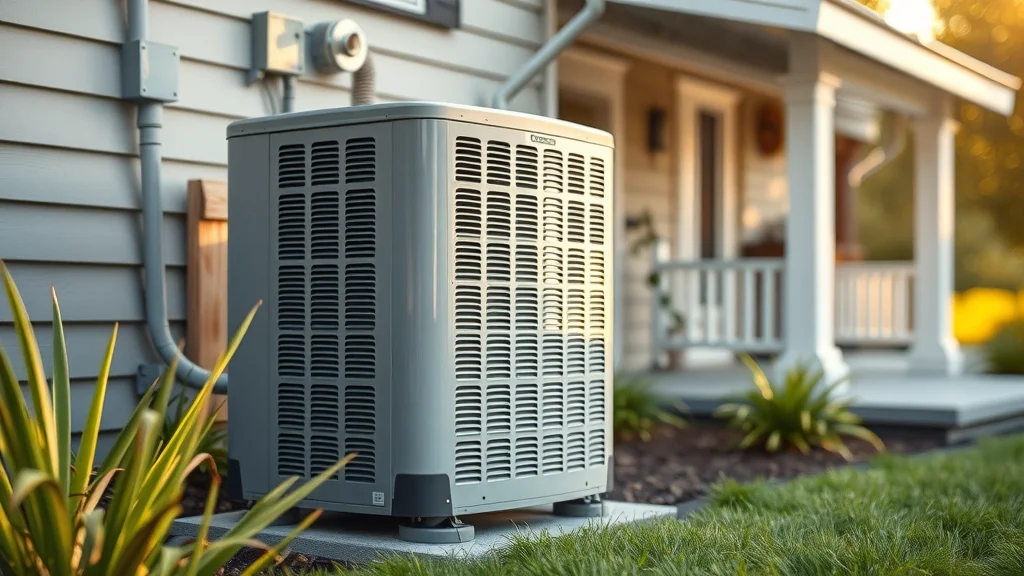
A central air conditioner is a standalone hvac system dedicated to cooling your home. It works by extracting warm air from your indoor environment and expelling it outdoors, lowering indoor temperatures via a network of air ducts. Designed to handle high heat loads, central air conditioners are especially effective in regions where prolonged summer heat makes air conditioning essential for everyday comfort. As a part of most ac system setups, a central air unit is often paired with a furnace or a separate heating system, making it a seasonal solution solely for cooling needs. Installation usually involves careful planning to ensure optimal airflow, compatibility with existing ductwork, and adherence to local electrical codes for reliable operation.
What Is a Heat Pump?
A heat pump stands out for its dual functionality: not only does it cool your home during hot weather, but it also provides efficient heating when temperatures drop. A heat pump operates by utilizing refrigerant and a reversing valve to transfer heat either into or out of the home, depending on the desired temperature and season. This unique capability gives heat pumps a distinct edge in moderate climates, where one system can satisfy both heating and cooling requirements all year round. The electrical demands and operational logic of a heat pump system differ from those of a traditional air conditioner, as it must support both heating and cooling cycles. Ultimately, its versatility and energy-efficient operation make the heat pump an increasingly popular option for eco-conscious homeowners.
|
Comparison Table: Core Features of Central Air vs Heat Pump Installation |
||
|
Feature |
Central Air Conditioner |
Heat Pump |
|---|---|---|
|
Function |
Cooling Only |
Cooling & Heating |
|
Energy Source |
Electricity (sometimes paired with gas furnace for heat) |
Electricity |
|
Climate Suitability |
Hot climates with high cooling needs |
Moderate climates (both heating and cooling) |
|
Efficiency Ratings |
SEER (cooling) |
SEER (cooling) + HSPF (heating) |
|
Upfront Cost |
Slightly lower (cooling only) |
Higher (dual function) |
|
Main Electrical Demand |
240V, dedicated circuit |
240V, dedicated circuit (sometimes higher amperage for heating) |
Electrical Requirements: Central Air vs Heat Pump Installation
The most critical aspect of central air vs heat pump installation is the foundation of your home’s electrical system. Both systems require substantial electrical provisioning to function efficiently and safely. Before installation, it’s vital to review your home’s main electrical panel, capacity, and wiring to ensure they can supply the necessary amperage and voltage without risk of overload. Neglecting these prerequisites can not only hamper reliability but also void warranties and compromise safety. Let’s examine what this means for homeowners contemplating a major upgrade to their HVAC systems.
Assessing Your Home’s Electrical Panel for Central Air Conditioner and Heat Pump Installation

Before setting up a new air conditioner or heat pump system, an assessment of the electrical panel is indispensable. The typical central air or heat pump installation demands a 240-volt dedicated circuit, often requiring a double-pole breaker sized according to system amperage. Most modern ac systems and heat pumps draw between 15 to 60 amps, depending on their size and features. If you’re upgrading from an older system, your existing panel may lack capacity, necessitating an upgrade or subpanel addition. An electrician or hvac professional will inspect breaker availability, wire gauge suitability, and total system load to protect against electrical faults—and to make sure your upgraded heating and cooling system operates reliably from day one.
Subpanel and Circuit Considerations for Air Conditioner and Heat Pump Systems
Many older homes may not have space or sufficiency in the main breaker panel, especially if adding a heat pump system with all-electric backup heating. In such cases, installing a subpanel dedicated to major HVAC circuits can be a safe and code-compliant solution. Not only does this protect your main panel from overload, but it allows for more organized electrical provisioning and future flexibility if other upgrades are desired. Appropriate circuit sizing is crucial to handle the high start-up surge and sustained load typical of both air conditioning and heat pump systems. Consulting a professional ensures wires, breakers, and disconnects are matched with the manufacturer’s recommendations, helping prevent electrical fires or nuisance tripping during peak operation.
Wiring and Voltage: A Deep Dive into Central Air and Heat Pump Electric Setup
The wiring and voltage demands for air conditioners and heat pumps often look similar on paper but can differ in the details. A typical central air conditioner requires 240 volts, heavy-gauge wiring, and a dedicated line from the electrical panel to the outdoor condenser unit. However, a heat pump may demand larger breakers, higher wire gauges, and potentially more robust surge protection, especially if it will serve as the primary heating system. If you’re replacing a standalone air conditioner with a heat pump system and plan to use electric backup heat, additional capacity and careful balancing of household circuits become more critical. Your choice directly impacts operational safety, reliability, and even utility costs over time.
“Proper electrical provisioning ensures reliable operation and protects your HVAC investment.”
Air Conditioner and Heat Pump System Types: Split Systems, Package Units & Ductless
Modern residential ac systems and heat pump installations come in several configurations, each with its own advantages in terms of efficiency, space-saving, and installation complexity. The most common varieties include split systems (featuring separate indoor and outdoor units connected by refrigerant lines), package units (all-in-one outdoor enclosures), and ductless mini-splits, which are increasingly popular for supplemental or room-specific climate control. Selecting the right type influences not only energy consumption but also the ease and cost of both initial installation and long-term maintenance.
Central Air Systems: Overview and Applications

Central air systems, especially in their split system format, are widely used across North America for their consistent whole-house cooling performance. Their application extends to larger homes with existing ductwork, where they provide even indoor air distribution through a network of vents. Central air split systems include an outdoor condenser and an indoor air handler, demanding careful planning of duct routing, drain lines, and electrical runs. When paired with a separate gas furnace, central air systems optimize seasonal comfort but will not provide winter heating unless augmented by an existing heating system. For homeowners desiring silent, efficient, and fast cooling, central air remains the gold standard—provided your home is already outfitted with suitable ducts.
Heat Pumps and Air Conditioners: Variety and Suitability
The range of heat pumps and air conditioners is broader than ever. Package units, often used in homes with limited indoor space, combine all machinery in a single outdoor cabinet, streamlining both installation and maintenance. Ductless mini-split systems are excellent for room-by-room comfort or retrofitting older homes without central ductwork. Heat pumps excel in these setups, as they bring year-round climate flexibility without the need for fossil-fueled furnaces. Meanwhile, high-efficiency dual-fuel systems allow seamless switching between electric heat pumps and gas furnaces depending on temperature, optimizing operating cost and energy savings across all seasons. Consulting with an HVAC professional helps match your home’s size, duct layout, and comfort goals with the right system type and configuration.
Energy Efficiency: Central Air vs Heat Pump Installation
Energy efficiency is arguably the biggest driver behind the surge in heat pump popularity, but central air conditioners have also advanced in leaps and bounds. Understanding SEER rating (Seasonal Energy Efficiency Ratio), HSPF (Heating Seasonal Performance Factor), EER rating (Energy Efficiency Ratio), and newer metrics helps homeowners decode efficiency labels and project utility savings for either system. Choosing a higher-rated unit can lower both peak and year-round energy consumption—but how do each system’s numbers compare?
Comparing Efficiency Ratings: SEER, HSPF & Beyond

Central air conditioners are primarily rated using the Seasonal Energy Efficiency Ratio (SEER), reflecting cooling efficiency across an entire hot season. Modern systems range from SEER 13 (minimum) up to SEER 26 or higher for premium units. Heat pumps display both SEER for cooling and HSPF (Heating Seasonal Performance Factor) for heating—typical HSPF ranges from 7 to 13. EER rating, measuring output during peak load, may also be listed. High-efficiency heat pumps, especially ENERGY STAR® units, can rival or surpass advanced central air conditioners for summer cooling, while dramatically outperforming resistance or electric heat in winter. Always compare both SEER and HSPF to accurately judge year-round energy efficiency and potential savings over older equipment.
How Energy Efficiency Impacts Operating Cost in Air Conditioning and Heating
The efficiency ratio you choose determines not only your environmental footprint but also your long-term operating cost. High-SEER central air and high-HSPF heat pump systems use less electricity per BTU of cooling or heating, translating directly to lower monthly bills. While high-efficiency systems often carry a higher upfront cost, their reduced energy consumption can pay off over several seasons, sometimes with the help of government rebates. However, efficiency is impacted by sizing, duct integrity, insulation, and installation quality—factors where an experienced hvac professional makes a big difference. Evaluate projected seasonal energy efficiency ratio and ask for energy consumption estimates tailored to your climate, home size, and existing infrastructure for the most accurate view of potential savings.
Cost Analysis: Central Air vs Heat Pump Installation
Understanding the true costs—both upfront and over the system’s life span—can help clarify which HVAC option offers the greatest value for your situation. While central air conditioners may cost less to install initially, heat pump systems offer the promise of long-term savings due to their dual heating and cooling functionality and superior energy efficiency in mild climates. Here’s what to expect.
Upfront Installation Costs for Air Conditioners and Heat Pumps

Central air conditioner installations generally involve lower upfront costs compared to heat pumps, largely because they deliver cooling only and may pair with existing heating systems. Expect installation costs (including labor, equipment, and basic electrical work) to range from $3,500 to $7,500 or more for a typical home, depending on system size and SEER rating. In contrast, a high-efficiency heat pump system may cost $5,000 to $12,000 or higher due to its ability to both cool and heat, added installation complexity, and potential need for electrical panel upgrades. However, heat pump incentives, rebates, and the potential removal of an old furnace may offset these higher initial costs—consult your local utility or government websites for details.
Long-Term Savings: Maintenance & Operating Cost Comparison
Maintenance costs for both system types hinge on unit complexity and how often heating or cooling is needed. Central air conditioners paired with a furnace may cost less to service annually, but over time, service needs can add up, especially if ductwork requires attention. Heat pumps, on the other hand, handle year-round duty and may see more wear on compressors and reversing valves, but their superior energy efficiency often results in noticeably lower monthly operating bills. Because heat pumps replace both an air conditioner and a traditional heating system, they eliminate the need for duplicate maintenance contracts and streamline repairs—potentially making them more cost-effective in the long run for mild to moderate climates.
Climate Considerations: Where Central Air or Heat Pumps Perform Best

Climate is one of the biggest factors in deciding between central air and heat pump installation. Central air excels in regions with long, hot summers and relatively mild or short winters, making it the system of choice for much of the southern and southwestern United States. Heat pumps, meanwhile, shine in areas with moderate winters and summers, where they can function as the sole heating and cooling source for most of the year. Newer cold-climate heat pumps can now provide reliable heat in sub-freezing temperatures, but may require a backup system (such as electric resistance coils or a furnace) for extreme cold snaps. Consider your climate, home insulation, and comfort needs when weighing these options, and consult a local hvac professional who understands your region’s unique seasonal challenges.
Environmental Impact: Central Air vs Heat Pump Choices
As governments set stricter emissions standards, the environmental impact of heating and cooling systems has come into sharper focus. Heat pumps generally have a smaller carbon footprint than traditional air conditioners paired with fossil-fuel furnaces, especially as more electricity comes from renewable resources. Their ability to move heat without burning fuel makes them an excellent choice for eco-conscious households, further supported by federal and state incentives. High-efficiency central air conditioning, while better than ever, still relies on refrigerants and electricity use for cooling. Weighing system efficiency, refrigerant type, and your local energy grid’s mix of clean versus fossil power will help you make the most environmentally responsible choice.
Installation Process: Step-by-Step Overview for Central Air vs Heat Pump Setup
Proper installation is the foundation of long-lasting, efficient HVAC performance. Both central air and heat pump systems require multiple steps—from site assessment and system sizing to electrical panel updates and commissioning. First, a licensed installer will evaluate your home’s size, duct layout, and power availability. Next, they’ll specify breaker sizes, wiring runs, and disconnect features per code, followed by mounting the condenser/heat pump, running linesets, and integrating smart thermostats or controls. Finally, thorough testing ensures that your new ac system or heat pump delivers consistent performance and indoor air quality. Always use certified professionals for this process: mistakes in wiring, sizing, or setup can lead to high operating cost, safety hazards, and poor system life.
“Every home presents unique installation challenges—professional guidance is essential for optimal results.”
(60-90 seconds, upbeat music, animated HVAC icons and step-by-step overlays)
People Also Ask: Central Air vs Heat Pump Installation FAQs
What is the $5000 rule for AC?
This rule helps homeowners decide whether to repair or replace their air conditioner by multiplying its age by the repair cost. If the total exceeds $5,000, replacement is recommended over repair to maximize efficiency and value.
What is better, a heat pump or central air?
It depends on your climate and energy priorities. Heat pumps offer both heating and cooling, making them ideal for moderate climates. Central air conditioners are excellent for cooling in regions with extremely hot summers. For households wanting one unit for year-round comfort, a heat pump is often preferred.
Why is my bill so high with a heat pump?
High energy bills with a heat pump can arise from inefficient system operation, improper sizing relative to your home, insufficient maintenance, or extreme weather causing the heat pump to work harder. Regular servicing and correct sizing are key to energy savings.
What is the 20 degree rule for heat pumps?
The 20 degree rule suggests not setting the thermostat more than 20 degrees below the outside temperature. This avoids overworking the heat pump, protects system longevity, and helps maintain energy efficiency.
Key Takeaways: Central Air vs Heat Pump Installation
-
Central air systems are optimal for large homes or cooling-dominated climates.
-
Heat pumps offer both heating and cooling with superior energy efficiency in many cases.
-
Electrical requirements differ; always consult with a licensed electrician or HVAC installer.
-
Weigh upfront cost versus long-term savings before deciding.
Frequently Asked Questions About Central Air vs Heat Pump Installation
How do I determine if my electrical system can support a new central air conditioner or heat pump?
Have a qualified electrician or HVAC professional inspect your electrical panel. They will check if you have enough amperage, correct breaker capacity, and wiring in place for your chosen system’s needs.
Can I install a heat pump alongside my existing air conditioner for better energy efficiency?
Yes, some setups allow dual operation, though it’s generally more efficient to use one high-efficiency system for both heating and cooling unless specific rooms or zones require supplemental comfort.
Are incentives or rebates available for upgrading to heat pumps or new central air systems?
Many states, provinces, and power utilities offer rebates or incentives for efficient heat pump or air conditioner upgrades. Check with local programs and your installer for the latest opportunities to save.
Ready to Compare Central Air vs Heat Pump Installation for Your Home? Call us at 905-847-2804 for an estimate.
Conclusion: Making an Informed Choice on Central Air vs Heat Pump Installation
Understanding the core differences, electrical requirements, costs, and energy savings can guide you to the best system for your home. Consult with professionals and carefully weigh both short- and long-term needs to ensure lasting comfort and value.
Sources
-
U.S. Department of Energy – https://www.energy.gov/energysaver/heat-and-cool/heat-pump-systems
-
This Old House – https://www.thisoldhouse.com/heating-cooling/reviews/heat-pump-vs-air-conditioner
-
HVAC Direct – https://hvacdirect.com/info/heat-pump-vs-central-ac.html
-
REW – https://www.rew.ca/insights/news/central-air-vs-heat-pump-115
Visit the home page of Crown Electric Ltd at https://crownelectricltd.ca for more information about our services.
When evaluating the installation of central air conditioners versus heat pumps, it’s essential to consider factors such as cost, energy efficiency, and climate suitability. The article “Heat Pump vs. Central Air Conditioning (AC): Cost, Maintenance, Energy Efficiency” provides a comprehensive comparison, highlighting that while heat pumps may have higher upfront costs, they offer both heating and cooling capabilities with greater energy efficiency, potentially leading to long-term savings. (nerdwallet. com)
Additionally, “Heat Pump vs Central Air: Which System Saves More Money in 2024?” offers a detailed cost analysis, illustrating how heat pumps can be more economical over time, especially in moderate climates. (myhomequoter. com) For homeowners seeking to make an informed decision, these resources offer valuable insights into the benefits and considerations of each system.