


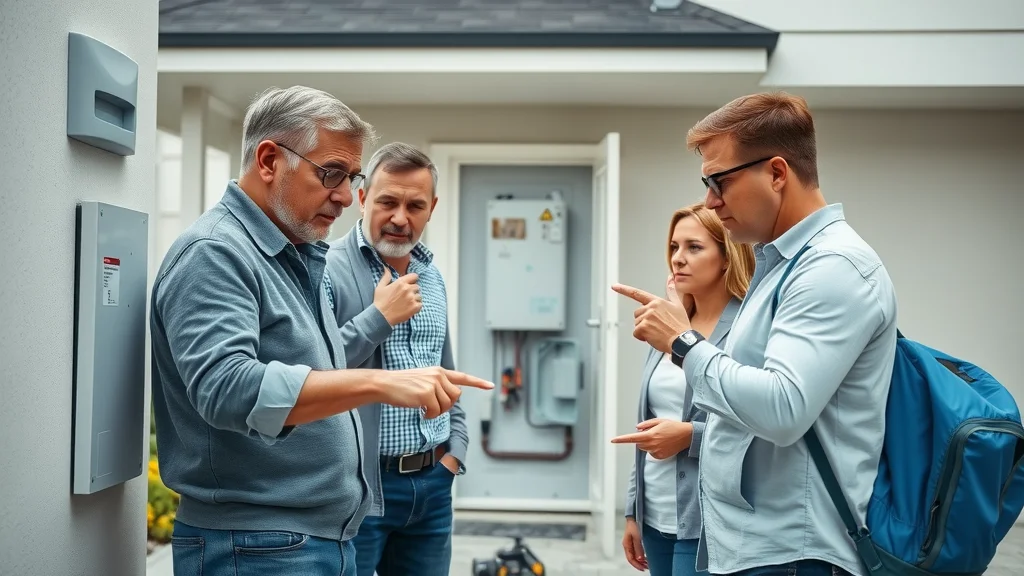
Did you know: According to the National Fire Protection Association, faulty electrical wiring and code violations contribute to over 45,000 home fires each year in North America, causing significant property loss and endangering families? For homeowners and buyers alike, electrical code violations for home inspection are safety-critical issues that can make or break a sale—and even protect lives. This comprehensive guide breaks down the most common electrical code violations, how to identify them during home inspection, and easy-to-follow steps to make your home safe and compliant.
Shocking Statistics: Understanding Electrical Code Violations for Home Inspection
Nearly two-thirds of Canadian homes inspected before sale reveal at least one electrical code violation, ranging from minor infractions to severe hazards. These violations aren’t just technicalities—they represent real risks to property owners. With electrical codes evolving constantly, staying up to date ensures your home passes inspection and provides critical peace of mind. Understanding the statistics behind electrical code violations for home inspection reinforces why prompt action is essential. Whether it’s outdated wiring, a lack of GFCI protection, or improperly grounded outlets, these issues directly impact insurance eligibility and market value during the home-selling process.
Home inspections form a crucial checkpoint in real estate transactions. Inspectors use national and local electrical codes as benchmarks, examining every aspect of your electrical system for code violation risks. Failing to resolve these risks can result in costly delays, fines, or even the inability to occupy your home. For property owners and buyers alike, knowing what gets flagged—and why—empowers informed, cost-effective decisions. Let’s dive into what you’ll learn in this must-read electrical safety guide.
What You’ll Learn About Electrical Code Violations for Home Inspection
-
Key definitions related to electrical code violations for home inspection
-
Most common electrical code violations and their risks
-
How electrical inspections identify code violations
-
Who enforces electrical codes and standards
-
Step-by-step fixes for common electrical issues discovered during home inspection
-
Resources for hiring a certified electrical professional
The Role of Electrical Codes in a Home Inspection
Electrical codes exist to standardize the rules for designing, installing, and maintaining safe electrical systems in both residential and commercial property settings. Adopted nationwide as the National Electrical Code (NEC) in the United States and the Canadian Electrical Code (CEC) in Canada, these standards help minimize risks like fire, shocks, and electrical failure. During a home inspection, inspectors meticulously check that every visible electrical component aligns with these codes.
When a home inspection is conducted, inspectors reference specific electrical codes to evaluate the condition and safety of panels, wiring, receptacles, and fixtures. If your electrical system was updated or installed before code changes, you may be at greater risk for hidden violations. This makes regular electrical inspections essential, even if your home appears to function normally. Uncovering these issues before listing a renovated home or finalizing a sale can save you thousands in repairs and liabilities.
Common Electrical Code Violations for Home Inspection
Common electrical code violations are responsible for the vast majority of electrical safety hazards in homes. These issues, if not addressed, compromise not only insurance and compliance but also the daily safety of everyone in the home. The list of violations below is what inspectors most frequently flag, each with its own set of safety implications.
Even newer homes aren’t exempt from electrical code violation risks, especially if past renovations involved unpermitted electrical work or DIY upgrades. The most overlooked issues—like missing GFCI outlets near sinks and improper double-tapping on breakers—can have outsized impacts. Keeping your electrical system up to code ensures not only passing your home inspection but also long-term insurance coverage and legal compliance.
Top Residential Electric and Electrical System Code Violation Issues
-
Improperly grounded outlets
-
Overloaded circuits
-
Missing GFCI/AFCI protection
-
Double-tapping breakers
-
Incorrect wiring
-
Improper junction boxes
-
Exposed splices
-
Non-functional smoke/CO2 detectors
“Many homebuyers underestimate the consequences of ignoring electrical code violations for home inspection—these can put lives and property at risk.” – Certified Electrical Inspector
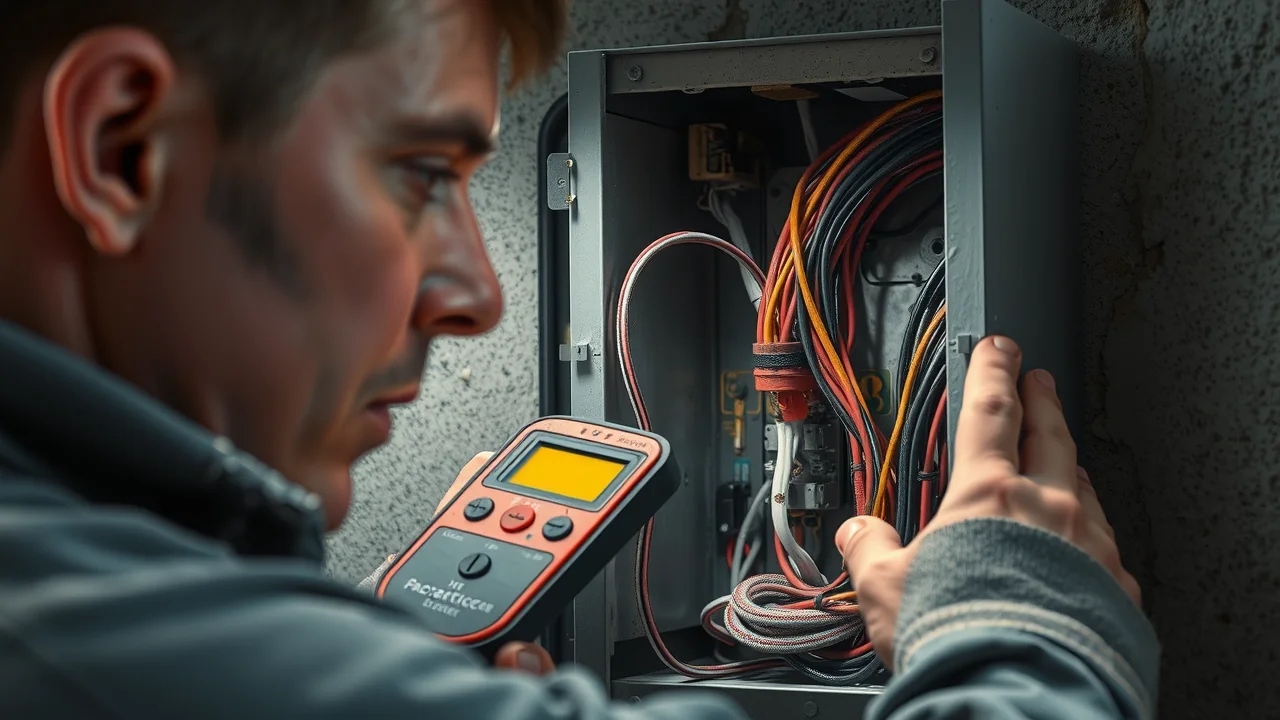
Electrical Safety Rules Every Homeowner Should Know
Every homeowner is responsible for upholding basic electrical safety practices. Properly following rules and regulations significantly reduces the risk of code violations, electrical hazards, and insurance complications. Not only do these rules protect your investment, but they also prevent accidents and potential liability as a property owner.
Whether you’re tackling minor electrical work or monitoring a professional job, applying these foundational safety rules helps avoid the pitfalls of electrical code violations for home inspection. Routine electrical inspections and attention to detail can make the difference between passing a home inspection and facing costly, time-consuming repairs.
-
Always turn off power before electrical work
-
Use the correct type and gauge of wire
-
Install GFCI outlets in wet areas
-
Never overload circuits
-
Hire a licensed electrician for major repairs

Table: Comparison of Common Electrical Code Violations for Home Inspection and Fix Solutions
|
Violation |
Code Reference |
Safety Risk |
Resolution Method |
|---|---|---|---|
|
Improper Grounding |
NEC 250 |
High shock risk |
Install correct grounding |
|
Overloaded Circuits |
NEC 210 |
Fire risk |
Redistribute circuit load |
|
No GFCI in Kitchen/Bath |
NEC 210.8 |
Electric shock |
Install GFCI outlets |
|
Double-Tapped Breakers |
NEC 110.14 |
Overheating |
Separate onto individual breakers |
Visual learning can be vital for homeowners to recognize issues early. Watch expert inspectors walk through a real home, pointing out code violations and best practices for DIY checks. Remember, while a video is helpful, always consult a certified electrical professional for complex repairs.
How Electrical Inspections Uncover Electrical Code Violations for Home Inspection
During a comprehensive electrical inspection, professionals start with your main panel and methodically move through branch circuits, outlets, and fixtures, using checklists to match every component against current electrical codes. The process identifies outdated, non-compliant, or unsafe wiring, overcurrent devices, and newly installed systems that do not meet safety code standards. Common electrical code violations are documented in a detailed inspection report, which serves as your roadmap for repairs.
Inspectors typically use specialized equipment like voltage testers, digital multimeters, and AFCI/GFCI testers to pinpoint problems. Their expertise in residential electric systems and familiarity with both NEC and local safety codes means they quickly catch even subtle violations or hidden hazards. This thorough process ensures that any electrical code violation is accurately flagged, and helps property owners plan repairs and upgrades. Investing in routine electrical inspections adds years of peace of mind, especially before a sale or major renovation.
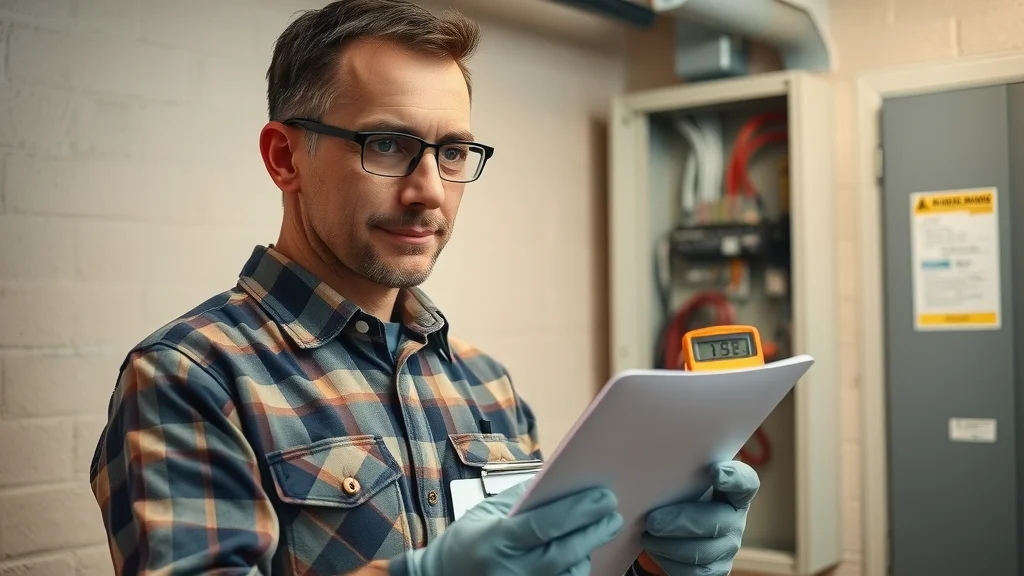
Who Enforces the Canadian Electrical Code & Local Safety Code Violations?
The responsibility for enforcing the Canadian Electrical Code lies with provincial and municipal electrical safety authorities, such as the Electrical Safety Authority (ESA) in Ontario or local building departments in other provinces. These regulators ensure that all electrical work—whether in residential or commercial property—meets the required electrical codes and standards for safety. Violations can lead to hefty fines, mandatory corrections, and insurance complications.
In Canada, after receiving a permit for electrical work, a certified electrical inspector will review the finished job for compliance. Homeowners and contractors are both accountable for correcting noted violations prior to occupancy or sale. Understanding who enforces these codes can help you avoid legal issues and delays, ensuring any electrical upgrades or repairs are handled by a licensed electrician and pass final inspection. For peace of mind, always confirm that your electrical contractor is registered and up to date with local regulations.
Step-by-Step Guide: How to Fix Electrical Code Violations for Home Inspection
-
Identify specific electrical code violations based on inspection report
-
Turn off power to affected circuits
-
Gather proper tools and materials as per electrical codes
-
Correct wiring, outlets, or breaker issues according to code
-
Test repaired electrical systems and document compliance
-
Schedule re-inspection if necessary
Fixing electrical code violations for home inspection is a process that usually starts with a detailed review of the inspection report, highlighting each code violation discovered. Always begin repairs by shutting off relevant electrical circuits at the panel—a critical step for electrical safety. Using only approved materials and strictly following code, correct each violation one by one, whether it’s installing GFCI outlets in bathrooms or separating double-tapped breakers.
After completing repairs, test the affected systems using outlet testers or a digital multimeter to ensure compliance. Document every fix, including before-and-after photos, receipts for parts, and a signed logbook if you used a licensed electrician. Some corrections may require a re-inspection by your municipal authority for final sign-off. Never hesitate to consult or hire a certified electrical professional for complex or risky repairs—safety should always come first.

When to Call a Certified Electrical Professional for Code Violations
If you encounter old wiring, overloaded systems, or hazardous DIY modifications flagged during your electrical inspection, it’s time to bring in the experts. Hiring a certified electrical or licensed electrician guarantees your home’s electrical system will be updated to current safety code standards. Certain repairs—like upgrading electrical panels, correcting major wiring faults, or resolving code violations involving hazardous installations—should never be DIY jobs. The risks of fire, shock, or liability are simply too great.
A certified electrician not only provides peace of mind but also submits proof of compliance, which is essential for insurance and legal documentation. If you’re unsure how to interpret your inspection report or don’t have prior experience with electrical work, always default to calling a professional. Their expertise can save you money and protect your investment for years to come.
Ignoring electrical code violations for home inspection doesn’t just delay a sale—it puts your household at real risk of electrical fire, severe injury, and denied insurance claims. Watch educational videos that detail dangers through real case studies, interviews with certified electricians, and safety demonstrations. Visualizing the consequences of skipped repairs reinforces why immediate action should always be your priority.
People Also Ask About Electrical Code Violations for Home Inspection
What is the biggest red flag in a home inspection?
The biggest red flag is usually outdated or hazardous electrical systems—like knob and tube wiring, overloaded circuits, or missing GFCI protection. These indicate serious code violations that threaten electrical safety and are expensive to repair. Home inspectors prioritize electrical safety hazards when reporting issues, which can stall sales or raise insurance premiums if left unresolved.
What are 5 electrical safety rules?
The five essential rules include: always turning off power before work, using properly rated wires and outlets, installing GFCI protection in wet areas, never overloading circuits, and hiring a licensed electrician for complex or high-voltage jobs. Following these keeps your home compliant with key electrical codes and safeguards everyone in the home.
Who enforces the Canadian electrical code?
Enforcement is handled by provincial and municipal authorities—for example, Ontario’s Electrical Safety Authority or local code enforcement agencies elsewhere in Canada. Their inspectors ensure that all new and renovated electrical installations are up to code, requiring permits and thorough inspections to detect and remedy any code violation.
What are some common NEC violations?
Frequent National Electrical Code (NEC) violations include improper grounding, double-tapped breakers, missing GFCI outlets in kitchens and baths, exposed splices, and incorrect junction box usage. All pose significant safety, insurance, and legal risks until corrected by a licensed electrician or certified electrical contractor.
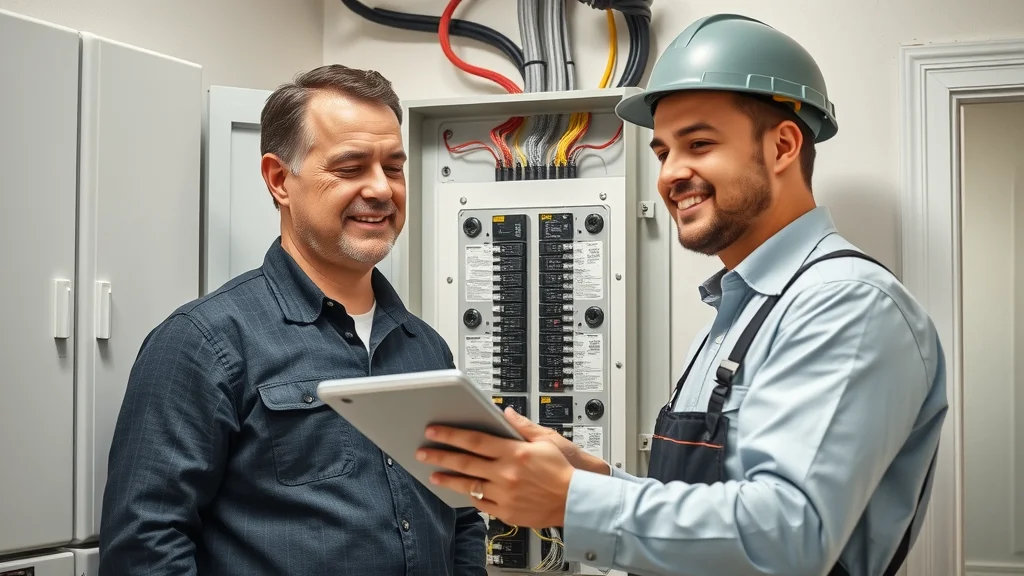
FAQs on Electrical Code Violations for Home Inspection
-
How often should I have a home electrical inspection?
Every three to five years, especially before selling, after renovations, or if your home is older than 30 years. -
Do code violations affect my home insurance?
Yes—many insurers require proof of electrical compliance. Pending violations can lead to denied claims or canceled policies. -
Can I fix electrical code violations myself?
Some minor issues can be fixed by experienced DIYers, but major repairs (panels, complex wiring) should only be done by a licensed electrician. -
What documentation is needed after fixing a code violation?
Keep inspection reports, photos of repairs, receipts, and any compliance documentation provided by your certified electrician or municipal inspector.
Key Takeaways: Electrical Code Violations for Home Inspection
-
Electrical code violations for home inspection are safety-critical and must be remedied before property sale or occupancy.
-
Regular electrical inspections ensure compliance with national and local electrical codes.
-
Hiring a certified electrical professional is essential for correcting complex code violations.
Ensure Safety: Get Help for Your Electrical Code Violations for Home Inspection
If you suspect electrical code violations for home inspection in your property or want a professional review, call us at 905-847-2804 for an estimate. Get the peace of mind you deserve and ensure your home is safe, compliant, and ready for sale or enjoyment.
Sources
-
Home Inspection Forum – https://www.homeinspectionforum.net/
-
Canadian Electrical Code Overview – https://www.buildingincanada.com/canadian-electrical-code/
Visit the home page of Crown Electric Ltd. at https://crownelectricltd.ca for more information about our services.