



Are you confident that your home’s old electrical wiring is keeping your family safe, or could outdated technology be putting you at risk without you even knowing? Discover how knob and tube vs modern wiring choices can affect safety, insurance, and peace of mind for every homeowner.
Are You Still Relying on Knob and Tube Wiring? Debunking Myths and Discovering Safer Alternatives
Many homeowners living in older homes may not realize that their electrical systems could harbor hidden risks. Knob and tube wiring, while innovative in its time, is no longer the standard for residential electrical systems. Despite its vintage charm and reputation for reliability in past generations, modern living demands far more from electrical infrastructure than what tube wiring can safely provide. Electrical fires, overloaded circuits, and incompatibility with modern appliances are just a few of the reasons to critically assess the wiring running behind your walls.
In this article, we’ll debunk common myths about tube wire, explore its safety concerns, and uncover why many insurance companies scrutinize properties with knob and tube wire. We’ll compare the structural and safety advancements in modern wiring, outline the step-by-step process of upgrading with a licensed electrician, and provide you with actionable advice based on expert industry guidance. If you want to reduce your fire hazard risk, qualify for better insurance, and confidently use your modern appliances, read on to learn what you need to know about knob and tube vs modern wiring.
What You’ll Learn About Knob and Tube vs Modern Wiring
-
Key characteristics of knob and tube wiring and modern wiring
-
Safety considerations for each electrical system
-
Costs and complexities of upgrading electrical systems in older homes
-
Essential advice from licensed electricians for homeowners
Understanding Knob and Tube Wiring: History, Components, and Functionality
What Is Knob and Tube Wiring? Exploring How Tube Wires and Knob and Tube Systems Work
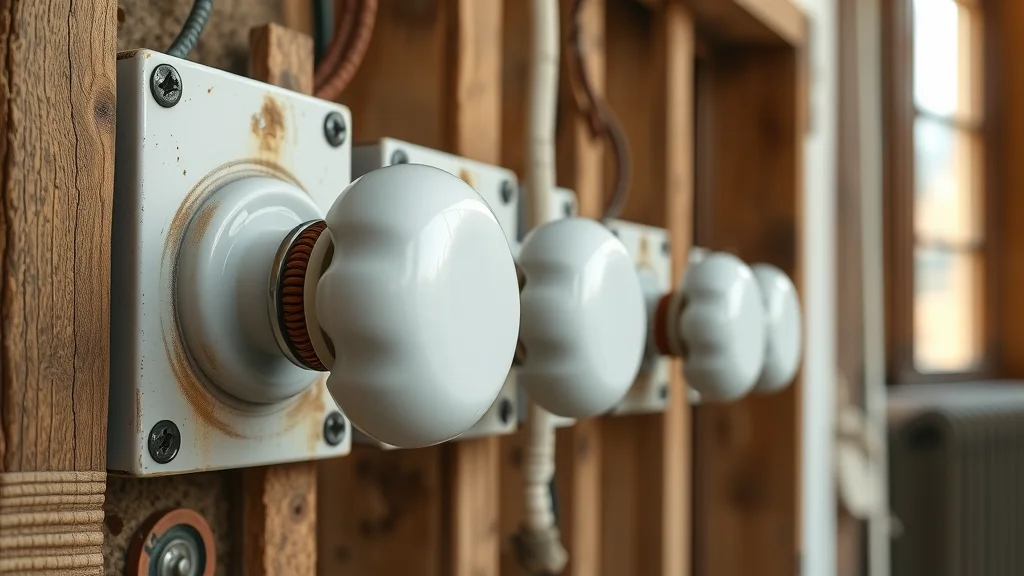
Knob and tube wiring, often abbreviated as K&T, was the first generation of standardized residential electrical systems in North America, prevalent from the 1880s through the 1940s. This type of wiring may evoke images of ceramic knobs and tubes snaking through unfinished basements or attics, reflecting its distinctive construction. The system relies on single, insulated copper wire conductors, supported by porcelain knobs for structural stability and routed through ceramic tubes to protect wires as they pass through wooden framing. Prior to the widespread adoption of modern wiring, knob and tube systems formed the backbone of countless older homes’ electrical networks.
Unsurprisingly, with tube wire and knob and tube wires exposed in unfinished spaces, these systems lack many safety features found in modern installations. There is neither a ground wire nor modern insulation materials. The conductors are insulated with cloth and asphalt-impregnated tape or rubber insulation, which deteriorates over time. This wiring system, once groundbreaking, now presents challenges for today’s electrical code requirements and modern electric usage, especially in homes where electrical loads have increased dramatically. Understanding how these tube wires operate is crucial for assessing your home’s electrical risk and planning upgrades.
Recognizing Knob and Tube Wires in an Older Home: Telltale Signs
Spotting knob and tube wiring in an older home can be a challenge unless you know what to look for. Most visible in unfinished basements, attics, or behind walls during renovations, knob and tube wires are supported by distinctive white or brown porcelain knobs, with wires strung through matching ceramic tubes when crossing wooden beams. The wire insulation is typically black or brown, and unlike modern cable, the individual wires are separated—there is no bundled sheathing or accompanying ground wire.
Homeowners may notice that tube wires are sometimes spliced and extended through electrical tape rather than wire connectors, a practice that modern code standards now discourage for safety reasons. Aging insulation, frayed cloth, or brittle rubber are clear signs that the system has exceeded its intended lifespan and may present a fire hazard. Licensed electricians stress the importance of identifying these issues during a home inspection, as outdated tube wiring can endanger modern electrical systems and affect insurance coverage. If your home features visible ceramic knobs, separated conductors, and no ground wire, you are likely dealing with knob and tube.
An Overview of Modern Wiring: Components and Enhanced Safety
Modern Wiring: Ground Wire, Insulation, and Performance Improvements
Modern wiring represents a significant leap forward in safety, capacity, and longevity for residential electrical systems. Standardized after World War II, today’s wiring typically involves color-coded, insulated copper wire conductors packaged together in a non-metallic (NM) sheath—commonly known as Romex. Most importantly, modern cable includes a dedicated ground wire, improving shock protection and aligning with strict electrical code requirements for fire prevention. Up-to-date insulation materials like PVC are far more resistant to heat, wear, and puncture, drastically reducing electrical fire risk.
Modern wiring also makes installation, troubleshooting, and repairs safer and more efficient. Electricians can trace circuits without confusion caused by separated tube wires, and homeowners benefit from a wiring system compatible with high electrical loads from contemporary appliances. The quality of insulation, the presence of grounding, and careful labeling of circuits all combine to create a more resilient and user-friendly residential electrical system.

Why Modern Wiring Is Now the Standard in Electrical Systems
The widespread adoption of modern wiring was prompted by increased electrical demand and enhanced safety requirements in the modern home. Unlike knob and tube systems, modern electrical installations must meet rigorous safety codes that address everything from grounding to tamper-resistant outlets. The ground wire is now the standard, offering critical protection against electrical shock and fire. This is particularly important when circuits serve kitchens, bathrooms, and outdoor areas, where moisture is present.
Moreover, modern wiring is designed for flexibility and durability. Homes with modern electrical systems can safely power high-wattage devices like microwaves, computers, and HVAC systems that would easily overload a knob and tube wire circuit. Insurance companies and home inspectors consistently recommend upgrading to modern systems to avoid fire hazard risks, meet current safety standards, and protect property value. For these reasons, modern wiring is considered essential for any residential electrical upgrade.
Major Differences Between Knob and Tube Wiring and Modern Wiring
|
Feature |
Knob and Tube Wiring |
Modern Wiring |
|---|---|---|
|
Insulation |
Cloth or rubber, degrades with age |
PVC or thermoplastic, long-lasting |
|
Ground Wire |
Absent (ungrounded) |
Always included (improves safety) |
|
Load Capacity |
Low, not designed for high-power devices |
Suitable for modern appliances and HVAC |
|
Compatibility with Appliances |
Often unsuitable for large or sensitive electronics |
Fully compatible and code-compliant |
|
Fire Hazard |
High risk due to aged insulation and no grounding |
Low risk (if installed to code) |
|
Insurance Implications |
Frequent denials or high premiums from insurance companies |
Standard coverage typically available |
Risks and Safety Concerns: Knob and Tube vs Modern Wiring in Today’s Homes
Fire Hazards and Limitations of Knob and Tube Wire in Contemporary Electrical Systems
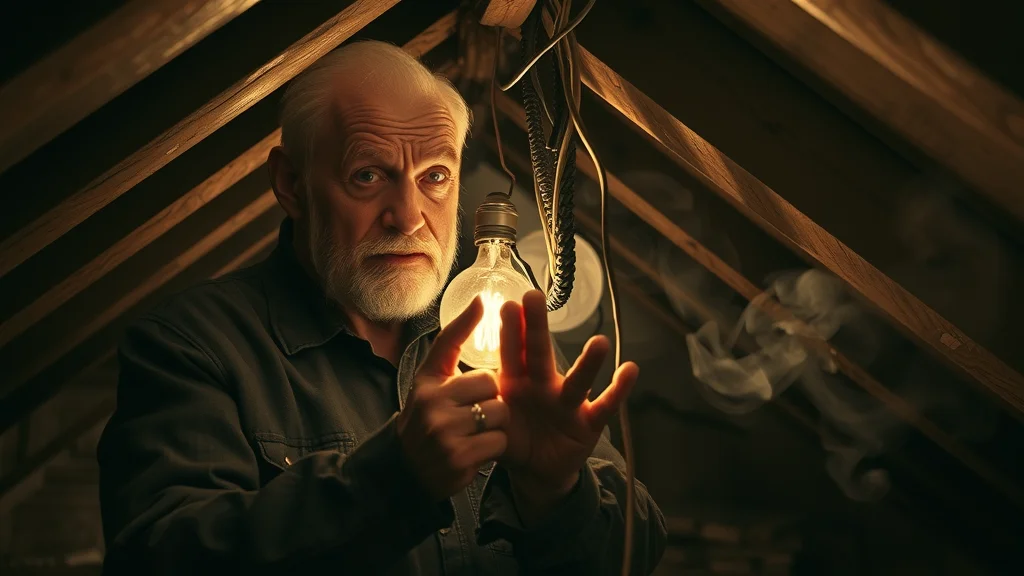
Modern life demands a lot more electricity than homes were built to provide a century ago. Knob and tube wire, lacking a ground and using degraded insulation, is now widely regarded as a fire hazard. Overloaded circuits, improper splices, and insulation breakdown can lead to dangerous overheating—particularly when tube wires are hidden behind insulation or wallboard where heat cannot dissipate. With electrical demands increasing, risks are magnified, making this outdated electrical system increasingly unsafe for today’s needs.
A significant concern is that tube wiring systems are not compatible with modern safety devices such as GFCIs or AFCIs (ground and arc-fault interrupters) without extensive retrofitting. If an electrical fire breaks out due to deteriorating insulation or overloading, the damage can be catastrophic, and insurance companies are often reluctant to cover claims involving outdated systems. Replacing knob and tube should become a priority if you want to prevent electrical fires and protect your family and property.
Insurance Companies’ Views: Can Knob and Tube Wiring Affect Your Coverage?
Having knob and tube wiring can have a major impact on your homeowner’s insurance. Many insurance companies view this type of wiring as an unacceptable risk due to its age, lack of ground wire, and susceptibility to electrical fire. Some insurers will refuse to underwrite homes until all tube systems are removed or replaced, while others may only offer limited coverage or higher premiums if tube wiring remains in use.
If you are buying or selling an older home, most underwriters will require a home inspection focused on the wiring system. Evidence of knob and tube wires can prompt requests for immediate electrical system upgrades, impacting sales timelines and renovation budgets. For current homeowners, maintaining outdated electrical systems can be a liability, both in terms of insurance and safety. Consultation with a licensed electrician and promptly upgrading to modern wiring is the best solution for homeowners seeking to protect their investments and meet insurance requirements.
When to Consider Replacing Knob and Tube Wiring in an Older Home
-
Warning signs of outdated tube wiring
-
Electrical upgrades and renovation triggers
-
Licensed electrician recommendations
Homeowners should actively seek to replace knob and tube wiring if they notice persistent electrical problems such as flickering lights, warm or discolored outlets, blown fuses, or tripped breakers. Additionally, if you plan to upgrade your kitchen, renovate your basement, or add new appliances, an electrical upgrade is not only recommended but often required to meet current safety codes. Licensed electricians consistently advise that any sign of insulation deterioration or visible ceramic knobs and separated wires in an older home is a clear indicator replacement is overdue. Upgrading at the earliest sign of trouble is a wise investment in your home’s safety and future resale value.
Process for Upgrading from Knob and Tube to Modern Wiring
Replacing Knob and Tube: Step-by-Step with a Licensed Electrician
Upgrading your home’s electrical wiring from knob and tube to modern systems is a complex task that should only be handled by a licensed electrician. The process begins with a thorough assessment of the existing electrical system, which will include checking for active knob and tube circuits, mapping outlets and switches, and evaluating the overall load requirements.
The next step involves safely disconnecting and removing outdated tube wires, knobs, and ceramic tubes. Electricians then fish modern, grounded cables through the walls, replacing old outlets and light fixtures with grounded and GFCI-protected alternatives. The process often entails making access holes in walls and ceilings, patching and painting afterward. Throughout, all upgrades are completed to meet or exceed modern electrical code standards. This comprehensive approach minimizes fire hazard, ensures insurance eligibility, and vastly improves your home’s electrical performance and safety.

Estimated Costs and Timelines for Rewiring Your Electrical System
The cost of replacing knob and tube wiring varies depending on your home’s size, accessibility of the wiring, and the amount of renovation needed during installation. On average, a complete upgrade can range from $8,000 to $20,000 for a typical single-family house, with costs potentially higher for larger or historic homes requiring sensitive restoration. Electrical contractors typically estimate a rewiring timeline of one to three weeks, depending on the project scope and whether you remain in the house during the work.
While this investment may seem substantial, it pays off through increased safety, peace of mind, compliance with modern codes, and a significant boost in property value. Many insurance companies will lower premiums or expand coverage after a successful rewiring project, directly benefiting homeowners in both the short and long term. Consulting multiple licensed electricians for transparent quotes and timelines is a wise first step in upgrading your home’s electrical system.
People Also Ask: Is Knob and Tube Wiring Still Used Today?
Answer: Knob and tube wiring is largely considered obsolete and is rarely used in new construction, but it can still be found in some older homes.
People Also Ask: What is the Difference Between Knob and Tube Wiring and Modern Wiring?
Answer: Knob and tube wiring uses porcelain knobs and tubes for wire support and lacks a ground wire, while modern wiring uses insulated cables with grounding for improved safety.
People Also Ask: Can Knob and Tube Handle Modern Appliances?
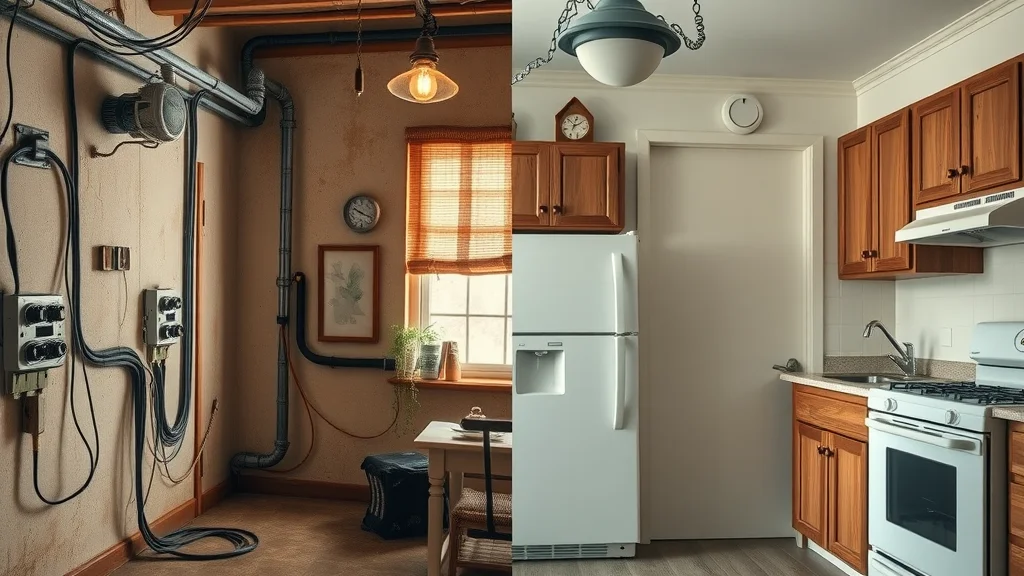
Answer: Knob and tube wiring was not designed for the high electrical demands of modern appliances and can pose significant safety risks if overloaded.
People Also Ask: Is Knob and Tube Wiring Legal?
Answer: While not inherently illegal, many jurisdictions have restrictions, and insurance companies may refuse coverage until it is replaced.
Expert Opinions: Licensed Electrician Quotes on Knob and Tube vs Modern Wiring
“The most significant issue with knob and tube wiring is its incompatibility with the electrical loads we see in today’s homes. Upgrading to modern wiring drastically reduces fire risk and increases safety.” – Certified Master Electrician
FAQs: Your Key Questions on Knob and Tube vs Modern Wiring Answered
-
Can you partially replace knob and tube wiring?
-
Will upgrading to modern wiring increase home value?
-
Do home inspectors check for knob and tube wiring?
Can you partially replace knob and tube wiring? Yes, partial replacement is sometimes possible, but it is always safest and most effective to upgrade the entire electrical system. Partial replacements may not meet current code, and insurance companies may still deny full coverage unless all knob and tube wires are removed.
Will upgrading to modern wiring increase home value? Absolutely. Modern wiring reassures buyers regarding safety and reduces insurance complications, directly adding to your home’s market value and making it more attractive during resale.
Do home inspectors check for knob and tube wiring? Yes, home inspectors specifically look for outdated electrical systems like knob and tube wiring during pre-purchase or insurance inspections. Their findings can influence negotiations, required repairs, and insurance policy terms.
Key Takeaways: What Every Homeowner Should Know About Knob and Tube vs Modern Wiring
-
Knob and tube wiring poses safety and insurance challenges
-
Modern wiring offers protection, grounding, and compliance
-
Licensed electricians should assess your electrical system
-
Upgrade costs are outweighed by increased safety and property value
Ready for a Safer, More Reliable Electrical System?
Call us at 905-847-2804 for an estimate.
Conclusion: Upgrading from knob and tube to modern wiring is a crucial step for property safety, insurance eligibility, and supporting today’s electrical lifestyle. Investing in a modern electrical system is one of the wisest decisions for any homeowner.
Sources:
Knob-and-tube (K&T) wiring, prevalent in North American homes from the 1880s to the 1940s, is now considered obsolete and poses several safety risks. Unlike modern wiring systems, K&T lacks a grounding conductor, increasing the risk of electrical shocks and fires. Additionally, the insulation materials used in K&T wiring, such as cloth or rubber, deteriorate over time, leading to potential exposure of live wires. Modern wiring systems, on the other hand, incorporate grounding wires and use durable, heat-resistant insulation materials, significantly enhancing safety and reliability. (en. wikipedia. org) Furthermore, K&T wiring was designed for the electrical demands of the early 20th century and is ill-equipped to handle the higher loads required by contemporary appliances and devices. This mismatch can lead to overheating and increased fire hazards. Modern wiring systems are built to accommodate today’s electrical needs, providing adequate capacity and incorporating safety features like circuit breakers and ground fault circuit interrupters (GFCIs). (nachi. org) If you’re considering upgrading your home’s electrical system, it’s essential to understand the differences between K&T and modern wiring. For a comprehensive overview, you might find the article “Knob and Tube Wiring: Is It Safe for Your Home?” helpful. (angi. com) Additionally, the “Knob-and-Tube Wiring” page on InterNACHI provides detailed insights into the characteristics and concerns associated with K&T wiring. (nachi. org) If you’re serious about ensuring the safety and efficiency of your home’s electrical system, these resources will provide valuable information to guide your decision-making process.
Visit our home page at https://crownelectricltd.ca for more information about our services.