


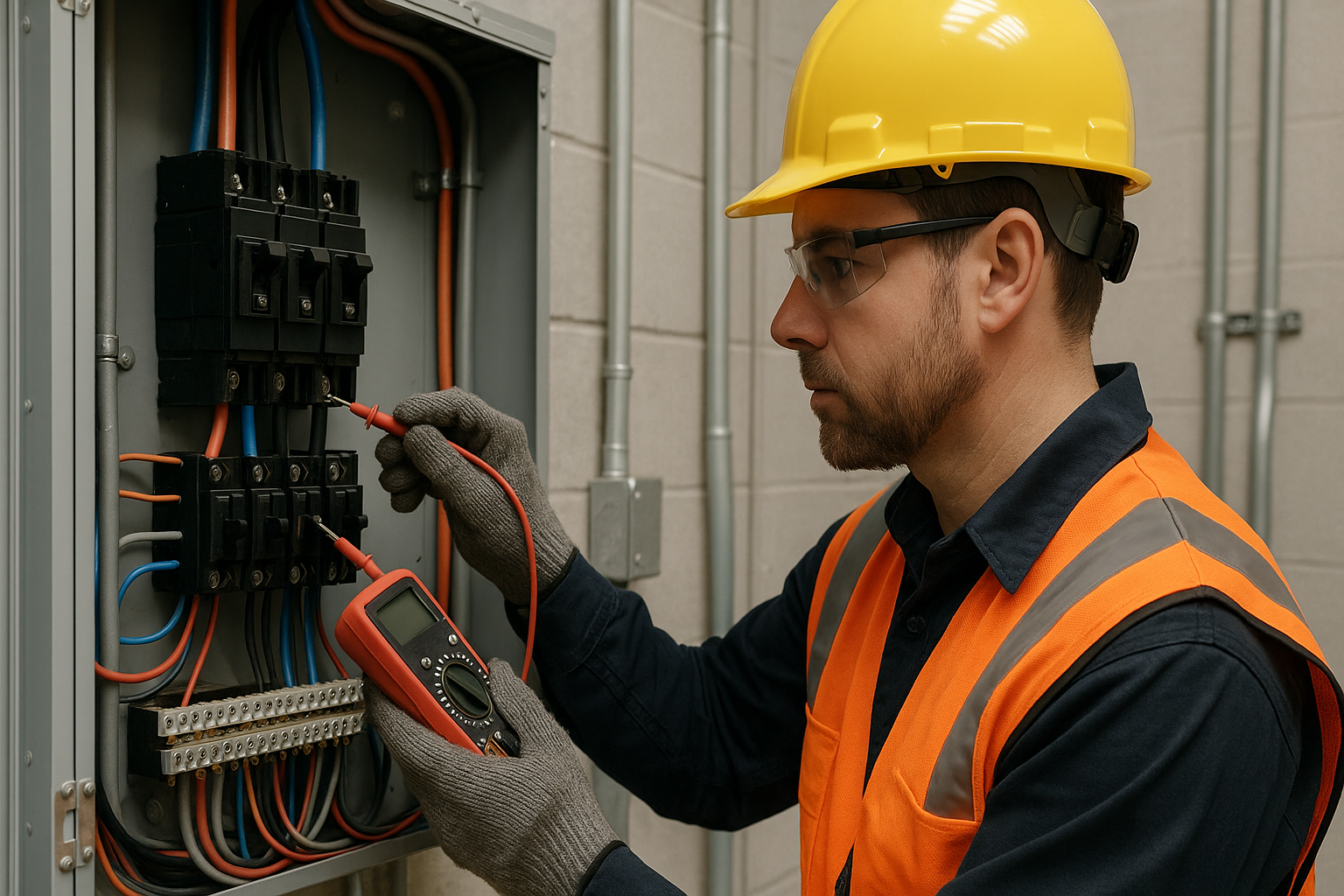
A single flickering light could be warning you of a $30,000-an-hour disaster waiting to happen. Learn why small electrical warning signs matter more than you think, and what a routine inspection could save you from.
Key Takeaways
- Regular commercial electrical maintenance helps prevent power disruptions that can cost businesses heavily in lost operating hours
- Faulty wiring and skipped inspections are linked to a real share of non-home property fires, putting safety checks on the same priority level as any other maintenance task
- Staying current with local, provincial, and federal electrical codes protects businesses from fines, legal exposure, and reputation damage
- Extending equipment lifespan and improving energy efficiency are two of the most overlooked benefits of a scheduled maintenance plan
- A closer look at what a professional maintenance inspection actually covers shows why prevention is almost always cheaper than dealing with a failure
Business owners rarely think about their electrical system until it stops working. By then, the damage is already stacking up in lost sales, frustrated customers, and repair bills that could have been avoided with a bit of routine attention.
One Outage Can Cost $30,000 an Hour
A power outage sounds like a minor inconvenience until the invoice arrives. Small and mid-size businesses can face steep hourly losses when the lights go out, and larger operations can see those losses climb even higher. A short outage can run into the thousands of dollars for many businesses, while an outage stretching to three days can push costs upward of $50,000.
The pattern holds true regardless of the industry. A restaurant loses food and reservations. A medical office loses appointments and, in some cases, patient trust. A warehouse loses hours of fulfillment that customers expected on schedule. Crown Electric Ltd has spent decades working with commercial property owners across Oakville, Mississauga, Burlington, and Etobicoke, and the pattern stays consistent: businesses that schedule maintenance ahead of time rarely make the emergency call.
A maintenance rhythm that catches small problems while they are still small, cheap, and easy to fix goes a long way toward preventing these losses without any major overhaul.
How Electrical Failures Disrupt Operations
Electrical trouble rarely shows up as a clean, isolated event. A single fault can ripple through a building, knocking out security systems, payment terminals, HVAC controls, and lighting all at once. Staff cannot serve customers, security cameras go dark, and card readers freeze mid-transaction, turning one bad breaker into a full operational shutdown.
Minor Warning Signs That Precede Major Losses
Flickering lights and breakers that trip more often than usual are easy to dismiss as quirks of an older building. In reality, these are the electrical system’s version of a warning light on a car dashboard. Left unaddressed, these small symptoms tend to point toward loose connections, overloaded circuits, or aging components that eventually fail in a much bigger and more expensive way, including equipment damage or fire.
The Hidden Costs Beyond the Outage Itself
The bill for an electrical fault rarely stops at the repair invoice. Businesses commonly deal with:
- Lost sales during the outage and the days immediately following
- Cancelled appointments or missed deliveries that damage customer trust
- Paid staff hours lost to downtime with nothing productive to show for it
- Emergency equipment replacement at rush pricing instead of planned budgeting
- Disruption to previously scheduled projects or renovations already underway
Each of these costs compounds the others, since a cancelled appointment costs both the appointment itself and the reputation hit that follows when a customer tells others about the experience.
Safety Risks of Neglected Systems
Safety sits at the center of every maintenance conversation, and for good reason. Faulty wiring, outdated equipment, and skipped inspections create the exact conditions that lead to electrical fires, equipment failures, and injuries on the job. Electrical failures or malfunctions were a factor in a meaningful share of non-home property fires in the U.S. between 2012 and 2016, a period that saw an estimated average of 200 civilian injuries each year tied to those incidents.
Regular electrical maintenance works as an early detection system for these hazards. Loose connections, deteriorating insulation, and overheating components rarely announce themselves until it is too late, which is exactly why scheduled inspections matter more than reactive fixes. A trained electrician spotting a hot connection during a routine check is a far better outcome than a fire department responding to the same problem months later.
Staying Ahead of Code Requirements
Commercial properties answer to a layered set of rules covering local, provincial, and federal electrical codes. These regulations exist to keep buildings safe, but they also shift over time as standards evolve and new equipment enters the market. A property that passed inspection five years ago is not automatically compliant today.
Falling out of compliance carries real consequences, including safety risks, fines, and legal exposure. Fines and legal exposure are on the table, and tenants who prioritize safety and reliability tend to notice when a property has a spotty compliance record. Choosing a commercial electrician who stays current with local and national regulations protects a business against these preventable risks while supporting long-term operational stability. Regular maintenance keeps a property’s compliance status current without last-minute scrambling before an inspection deadline.
Protecting Equipment Lifespan and Efficiency
Commercial buildings depend on a wide mix of electrical equipment, from lighting and HVAC systems to computers, machinery, and specialized tools tied to the business itself. Every one of these systems has a working lifespan that maintenance either protects or shortens. Addressing minor wear before it becomes a major failure extends that lifespan and maximizes the return on what was likely a significant equipment investment.
Why Unmaintained Systems Lose Efficiency
Electrical systems degrade gradually rather than failing all at once. Connections loosen with vibration and thermal cycling, components wear down with age, and electrical loads shift as a business adds new equipment over the years. Left unchecked, these small changes drive up utility costs and quietly reduce equipment performance long before an outright failure occurs. A scheduled checkup catches this gradual wear early, keeping components running the way they were designed to run.
What a Maintenance Inspection Covers
A maintenance visit works as a structured process that walks through every part of a building’s electrical infrastructure before problems affect operations, going well beyond a quick glance at the breaker panel.
Core System Checks and Testing
A thorough inspection typically walks through several layers of the electrical system, including:
- Full inspections of electrical systems and components throughout the property
- HVAC system electrical checks to confirm safe, efficient operation
- Lighting system audits that flag opportunities for energy efficiency upgrades
- Wiring inspections and repairs where insulation or connections show wear
- Circuit breaker and panel maintenance to confirm safe load handling
- Power quality analysis and thermal imaging to detect hot spots before they cause failures
- Emergency lighting and exit sign testing to confirm code compliance
- Surge protection system checks to guard equipment against voltage spikes
Documentation and Ongoing Monitoring
Every maintenance visit should leave behind a clear paper trail. Documentation of inspection results, repairs made, and components flagged for future attention gives property owners a running history of their building’s electrical health. That history becomes valuable during compliance reviews, insurance claims, and future maintenance visits, since a technician working from documented history can spot patterns that a one-time inspection would miss entirely.
Prevention Costs Less Than Failure
The math on commercial electrical maintenance is straightforward once the numbers are laid side by side. A scheduled inspection costs a fraction of what an emergency outage, a code violation fine, or a fire-related insurance claim would cost.
Organizations that adopt condition-based monitoring report a 70% decrease in machine failures.
The U.S. Department of Energy has found that properly implemented maintenance programs eliminate breakdowns by up to 70% and cut downtime by up to 45%.
Businesses that treat electrical maintenance as a recurring line item, rather than an afterthought, protect their revenue, their equipment, and the people working inside their buildings every day. For property owners ready to put a maintenance schedule in place, commercial electrical maintenance services offer a practical starting point for keeping operations running smoothly year-round.