


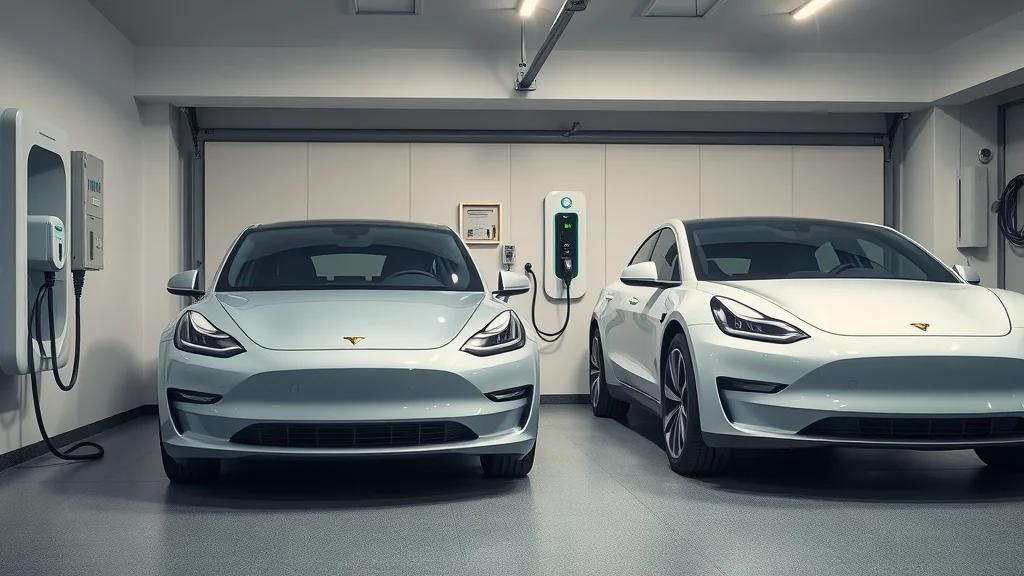
Which home EV charging setup is right for you: hardwired or plug-in? Uncover the installation secrets, safety tips, and must-know details that can transform your electric vehicle charging experience. Choosing the right EV charger can significantly impact your charging convenience, efficiency, and long-term satisfaction as an EV owner. This comprehensive guide explores every aspect of the hardwired vs plug-in EV charger debate—empowering you to confidently select the best option for your home and lifestyle.
Curious About Hardwired vs Plug-in EV Chargers? Unlock the Ideal Charging Station for Your Needs
In today’s rapidly evolving world of electric vehicles, the decision between a hardwired vs plug-in EV charger is a major one for homeowners seeking the ultimate charging station. With EV chargers now a critical part of daily routines for many, understanding which installation suits your home, car model, and budget is essential. This guide digs deep into how both systems work, their pros and cons, and real-world factors that can influence your decision.
Whether you’re considering your first EV charger install, looking to maximize charging speed, or weighing installation cost and code compliance, you’ll find practical advice tailored to real EV owners’ needs. From electrical panel upgrades to future proofing your home charging station, get the expert insights you need for a smart, efficient installation—without the jargon.
Visit our Ev charger page for Oakville residents at https://crownelectricltd.ca/ev-charger-installation-oakville/.
Understanding Hardwired vs Plug-in EV Charger Solutions
The fundamental choice of hardwire or plug for your EV charging sta can shape everything from your charging speeds to how easily you can relocate your setup. Hardwired chargers are installed directly into your home’s electrical system, typically by a licensed electrician, offering a more permanent and streamlined solution. Plug-in EV chargers, on the other hand, connect via a heavy-duty outlet, making installation simpler and relocation a breeze if you move or reconfigure your garage.
EV owners should weigh not only convenience but also charging station performance and safety. Elements such as the specific requirements of your electric vehicle, the capabilities of your electrical panel, and even your home’s resale value come into play. By understanding these key differences, you can align your EV charging experience with your unique needs and priorities as an EV driver.
What You’ll Learn in This Guide to Hardwired vs Plug-in EV Charger Options
-
Key advantages and limitations of hardwired vs plug-in EV charger systems
-
Comparison of home charging installation processes
-
Factors influencing EV charger installation cost
-
Safety and code compliance for hardwired EV chargers and plug-in options
-
How to choose the best EV charger for your electric vehicle and home
What Is a Hardwired vs Plug-in EV Charger?
Definitions: Hardwired EV Charger vs Plug-in EV Charger
Hardwired EV chargers are electric vehicle charging devices permanently connected to your home’s electrical system by a professional electrician. These systems offer a robust, tamper-resistant installation—with no exposed outlets or removable plugs—designed for long-term use at maximum charging speed. On the other hand, a plug-in EV charger connects to your main panel via a 240V outlet, usually a NEMA 14-50 or similar. This style allows for ease of installation, portability, and the option to unplug and relocate your charger as needs change—appealing to EV owners who value flexibility.
The right choice between hardwire or plug can depend on your EV charging preferences, anticipated home moves, and whether you prioritize ultimate charging speeds or adaptability. Both options can support efficient electric vehicle charging, but they suit different lifestyles and home setups.
Core Differences Between Hardwired and Plug-in EV Chargers
-
Electrical panel needs: Hardwired systems often require dedicated breakers and may need panel upgrades. Plug-in chargers use existing or new 240V outlets, impacting installation cost and complexity.
-
Charger installation requirements: Hardwired charger install generally requires a licensed electrician, while plug-in installation can be as simple as plugging in the device—assuming the proper outlet is present.
-
Charging speed & flexibility: Hardwired EV chargers are engineered for sustained maximum charging speed. Plug-in chargers offer flexibility for relocation, rentals, or second homes.
-
Home charging station compatibility: Some EV models and advanced home charging setups specify hardwired installation for warranty or code compliance; others permit either approach.
The Home Charging Installation Process: Hardwired vs Plug-in EV Charger
Step-by-Step Plug-in EV Charger Install
-
Assessing outlet compatibility and capacity: Before installation, check if your garage or parking area has a 240V outlet compatible with the plug-in EV charger. Examine whether the existing outlet and wiring can handle your EV’s charging speed without risk of ground fault or overloading.
-
Installing or upgrading an electrical panel if needed: Some homes may require main panel upgrades to support EV charging requirements and avoid tripping breakers or stressing your home electrical system. Consult a professional electrician for an evaluation if you’re unsure.
-
Plugging in the EV charger: Once the outlet is confirmed, plug in your EV charger, ensuring a snug and safe connection. For optimal performance, use only heavy-duty outlets and avoid using extension cords, as they can introduce safety hazards.
-
Home charging station readiness check: Power up the charging sta, check system indicators, and perform a test charge to verify your setup delivers the expected charging speeds for your electric vehicle. Many EV owners use apps or in-charger dashboards to track performance.

Step-by-Step Hardwired EV Charger Install
-
Planning the charging station location: Choose an easily accessible area for the charging station with proximity to the main panel, allowing for safe and convenient cable management. Adequate space and ventilation may be necessary for some hardwired chargers.
-
Hardwired installation by a licensed electrician: A professional installer secures the charger to the wall, runs wiring through conduit, and ensures all connections meet local electrical code. Hardwired installations require professional installation to guarantee safety and compliance.
-
Connecting to the electrical panel: The licensed electrician connects dedicated circuits from the main panel to the charger, often with breakers tailored for high current loads associated with high charging speeds.
-
Final EV charger install safety check: After wiring, the installer checks for ground fault protection, circuit integrity, and code compliance. A proper safety inspection helps guarantee reliable and safe EV charging for years to come.
Comparing Hardwired vs Plug-in EV Charger: Charging Speed and Efficiency
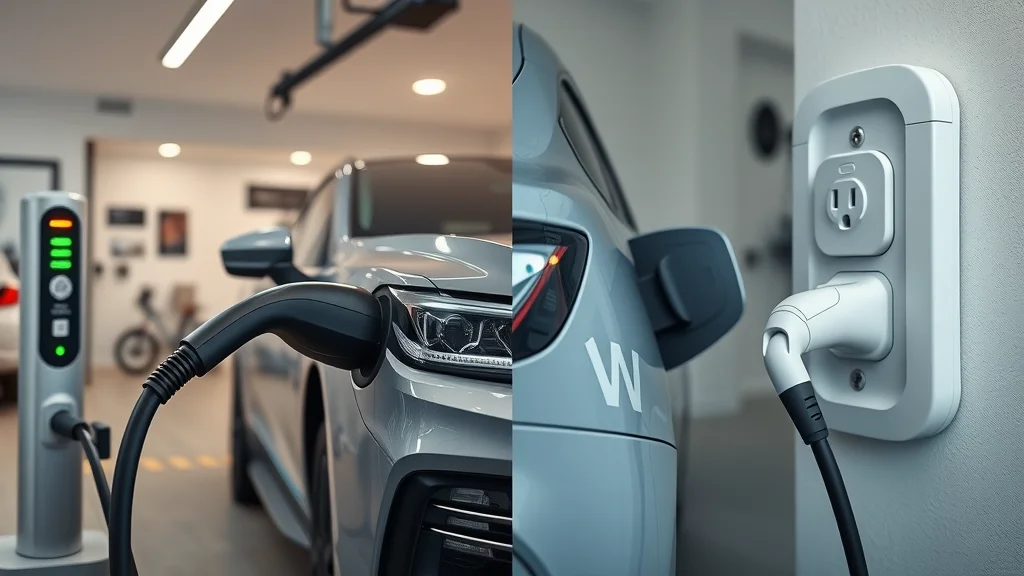
Charging speed is a top consideration for many EV owners when selecting a home charging station. Generally, hardwired chargers can deliver the highest, most consistent charging speeds thanks to their direct connection to the electrical system, minimizing voltage drops and maximizing current delivery. Plug-in chargers are excellent for most users, but may be limited by the power capacity of the wall outlet or outlet wiring, which can reduce their maximum charging speed in comparison to hardwired installation. Factors such as your vehicle’s acceptance rate, circuit ratings, and charger compatibility all influence the real-world efficiency of your EV charging routine.
While both systems provide reliable EV charging, a hardwired EV charger is typically preferred for long-term use and for owners seeking the highest charging speeds for larger battery vehicles. Plug-in options shine for their adaptability and are favored by drivers who anticipate moving or need flexible charging sta placement, making them an appealing solution for home charging when maximum charging speed is not the overriding priority.
|
Feature |
Hardwired EV Charger |
Plug-in EV Charger |
|---|---|---|
|
Typical Charging Speed |
Up to 60 Amps (often 40–50A), fastest home charging possible |
Up to 40 Amps (usually 32–40A), may be limited by outlet rating |
|
Voltage & Current Stability |
Direct connection, stable output |
Depends on outlet/circuit quality |
|
Installation Complexity |
Professional electrician, fixed setup |
Simple plug-in, possible DIY, outlet may need upgrade |
|
Relocation Ease |
Difficult—requires electrician to move |
Easy—just unplug and reinstall elsewhere |
|
Code Compliance |
Often required for high-current charging sta |
Easier to meet, but limited by outlet/rating |
Installation Cost: Hardwired vs Plug-in EV Charger
Installation cost is a deciding factor for many EV owners. Hardwired EV chargers usually incur higher initial costs due to professional installation, potential main panel upgrades, and material expenses for running conduit and wiring. This cost is offset by the benefit of sustained maximum charging speed and superior integration with your electrical system. Plug-in EV chargers, meanwhile, have a lower entry point if you already have a compatible 240V outlet, often only requiring simple setup or minor upgrades. However, if your home needs a new high-capacity outlet and dedicated circuit, costs can approach those of hardwired installations. Always assess both the upfront costs and long-term value when choosing your EV charger install path.
“Choosing between a hardwired and plug-in EV charger depends on your vehicle, home layout, and charging frequency.”
Safety and Compliance: Hardwired EV Charger vs Plug-in
Electrical Code and Safety Considerations
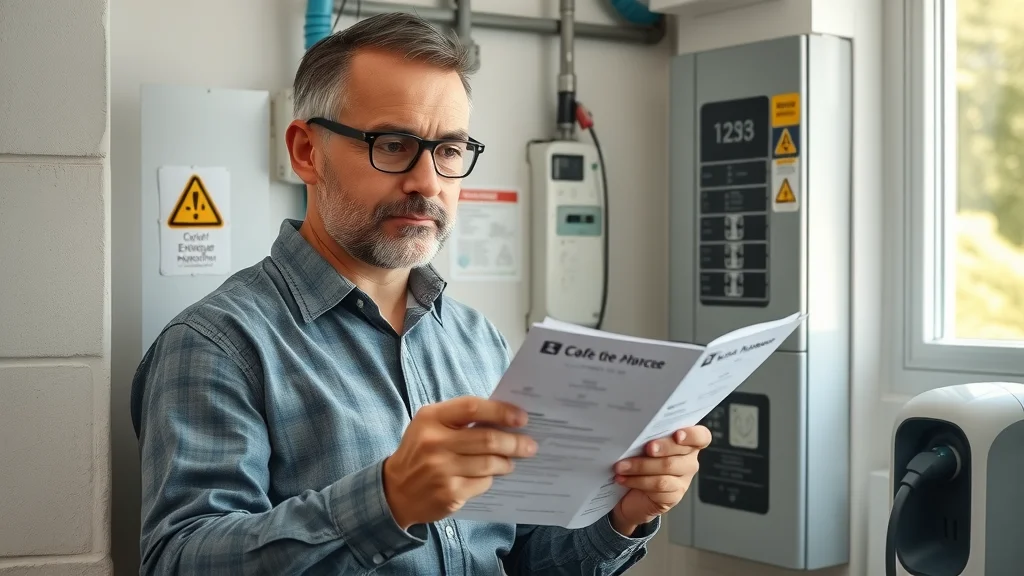
Ensuring EV charger installation meets electrical code requirements is crucial for long-term safety and home insurance. Hardwired EV charger setups are often preferred by code officials because they’re permanent, reduce tampering, and can include advanced ground fault circuit protection. These installations regularly require a licensed electrician to ensure the system adheres to local code, from wire gauge sizing to breaker selection and fault circuit interrupter integration.
Plug-in EV chargers, though easier to set up, must connect to certified outlets and circuits that match their power requirements. Failure to do so can increase fire risks or result in frequent tripped breakers. For both charger types, features like ground fault protection, proper circuit labeling in the main panel, and adherence to National Electrical Code (NEC) or local regulations protect your home and electric vehicle investment. Always prioritize safety by consulting a professional and avoiding DIY electrical work, especially with high-powered devices like EV chargers.
Are Hardwired EV Chargers Safer?
Many experts argue that, when correctly installed by a professional electrician, hardwired EV chargers offer an extra margin of safety, especially for high-amperage charging speeds. A hardwired system minimizes the chance of loose connections, minimizes risk of tampering, and integrates tightly with your home’s electrical system. However, modern plug-in chargers with proper ground fault circuit interrupters and appropriate outlets remain a safe and code-approved choice if installed with care.
Regular maintenance checks, visual inspections for wear, and monitoring your home charging station for any signs of heat buildup are vital no matter which installation you select. Reliable safety and code compliance are non-negotiable for both EV owners and professional installers alike.
Flexibility and Relocation: Hardwired vs Plug-in EV Charger
-
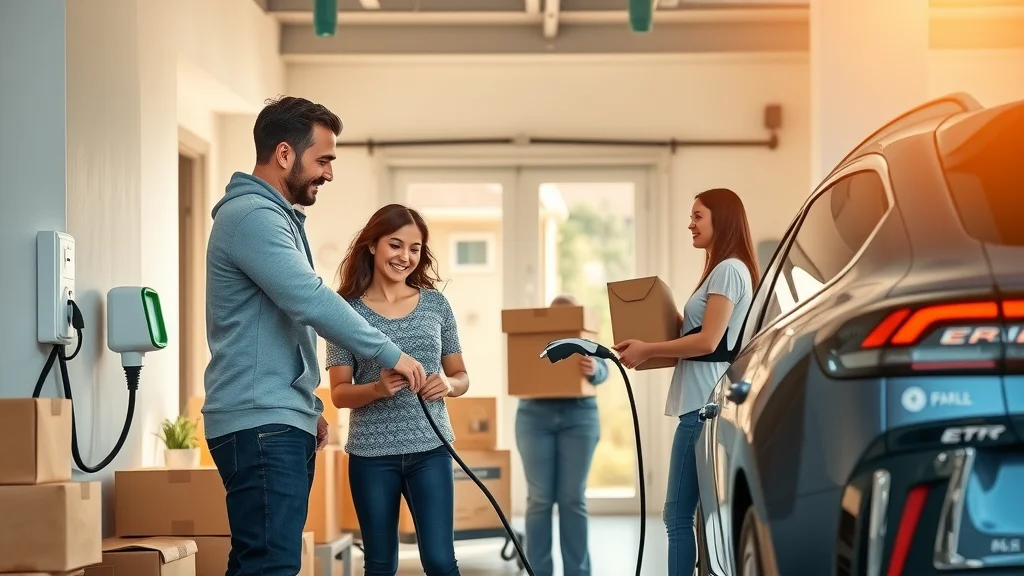
Moving homes and charger relocation: Plug-in EV chargers can be disconnected and moved with ease, making them ideal for renters or homeowners planning a move. Hardwired systems are permanent; relocating a hardwired charger requires electrician services.
-
Flexibility in charging station usage: Plug-in options enable shifting the charger between multiple locations or for use in secondary residences/cottages. Hardwired chargers offer security and are less attractive to thieves, but lack this flexibility.
-
Impact on resale value: Both systems can positively impact resale value, but plug-in chargers are seen as an upgrade that can transfer with you, while hardwired installations might appeal to buyers wanting an integrated, high-powered solution.
EV Models, Compatibility, and Home Charging: What to Know
Which Type of Charger Do Popular EVs Use?
-
Nissan Leaf: Typically uses a J1772 plug with a Level 2 charger, which supports both hardwired and plug-in EV charging station types.
-
Kona (Hyundai): Also utilizes a J1772 connector for Level 2 charging, compatible with either hardwired or plug-in EV charger installations.
-
Other popular EVs (Tesla, Bolt, etc.): Compatibility is usually determined by the charger port; with the right adapter or plug, most EVs can use any standard home EV charger install, but always confirm compatibility before purchase.
-
Cable compatibility and charger installation specificities: Always review manufacturer recommendations for amperage, plug type, and whether hardwired installation is recommended for warranty or performance reasons.
Electrical Panel Upgrades for EV Charger Install
Before installing a hardwired or plug-in EV charger, assess if your main electrical panel can handle the added load. Many older homes may need panel upgrades or the addition of a dedicated circuit for maximum charging speed and code compliance. Upgrading your panel can be an investment in both home charging station reliability and future-proofing as EV technology evolves. For most EV charger installations, working with a licensed electrician ensures that your electrical system’s safety and performance are never compromised.
People Also Ask About Hardwired vs Plug-in EV Charger
What is the 80% rule for EV?
The 80% rule states that a continuous load, such as an EV charger, should not exceed 80% of a circuit’s maximum capacity to ensure safe and reliable operation. For example, on a 50-amp circuit, your EV charger should draw no more than 40 amps. This practice is required by the National Electrical Code and helps prevent overheating and fire risks for home charging stations.
What type of charger does the Kona use?
The Hyundai Kona EV typically uses a J1772 connector for Level 2 charging, which can be paired with both hardwired and plug-in EV chargers. Whether you choose a hardwired installation or a plug-in charging station, make sure the charger delivers the appropriate amperage to match your Kona’s onboard charging speed for optimal charging performance.
Are hardwired EV chargers safer?
Hardwired EV chargers, when installed by a licensed electrician, are often considered safer for high-powered charging needs. The permanent, tamper-resistant connection minimizes risk of overheating or faulty connections, and most models come with advanced safety features like ground fault circuit interrupters. However, properly installed plug-in chargers are also safe for home charging when the outlet and circuit meet current electrical code standards.
What type of charger cable does a Nissan Leaf use?
The Nissan Leaf uses a standard J1772 charging cable for Level 2 home charging—a widely adopted connector that is compatible with nearly all hardwired and plug-in EV charger systems on the market. Always verify the maximum charging speed your Leaf supports, so you can select an EV charger install type (hardwired or plug-in) that meets your needs.
Pros and Cons Summary: Hardwired vs Plug-in EV Charger
-
Advantages of hardwired EV chargers: Highest charging speeds, seamless integration, tamper resistance, and ideal for long-term/permanent setups.
-
Benefits of plug-in EV charger installation: Lower installation costs, easy relocation, flexibility for renters or frequent movers, and simple outlet check for quick setup.
-
Choosing the right EV charger for your lifestyle: Consider homeownership duration, resale value, primary EV use, and preference for flexibility versus maximum performance.
-
EV owner considerations from cost to convenience: Factor in main panel capacity, installation cost, potential code upgrades, and charging speed requirements to ensure a smooth and safe home charging experience.
Key Takeaways for Hardwired vs Plug-in EV Charger Installation
-
Hardwired charger systems are best for permanent, high-powered needs
-
Plug-in EV chargers offer flexibility and easier relocation
-
Installation and safety requirements vary by charger type
-
Consult a professional for charger installation and electrical panel readiness
Frequently Asked Questions About Hardwired vs Plug-in EV Charger
-
How do I decide on hardwired vs plug-in EV charger?
Evaluate your homeownership plans, charging speed needs, panel capacity, and desire to move or keep the charging setup permanent. Discuss with a licensed electrician for the best match. -
What’s the typical installation cost for home EV charging stations?
Plug-in installations can start as low as $300–$700 if an appropriate outlet exists; hardwired systems typically run $700–$2,500 with electrician labor and potential panel upgrades factored in. -
Are government rebates available for hardwired or plug-in EV charger installations?
Many regions offer rebates or incentives for both types of EV charger installs. Check your local and federal programs to maximize savings. -
How do I upgrade my electrical panel for a new home charging station?
A licensed electrician will assess your main panel’s capacity, recommend circuit upgrades, and perform a code-compliant installation. -
Is a hardwired charger installation worth it for short-term residence?
If you’re likely to move within a year or two, a plug-in charger may provide more return on investment due to ease of relocation.
Ready for a Home EV Charger?
Making the right choice for your EV charging station is critical for safety, convenience, and optimal charging experience. Call us at 905-847-2804 for an estimate.
Conclusion
Choosing between a hardwired vs plug-in EV charger hinges on your home, EV, and lifestyle needs. Seek professional advice, prioritize safety, and invest in the right charging station for a seamless electric vehicle future.
Sources
For Mississauga residents, visit our page dedicated to EV Charger Installation in Mississauga at https://crownelectricltd.ca/ev-charger-installation-mississauga/.
If you prioritize faster charging speeds, enhanced safety, and a permanent installation, a hardwired EV charger may be the better choice. Conversely, if flexibility and ease of relocation are more important to you, a plug-in EV charger could be more suitable.