



Imagine returning each day to your Mississauga home, fully confident your electrical system poses no threat to your family. Unfortunately, electrical fires often start as silent hazards behind walls and panels; left unchecked, they can disrupt lives or destroy cherished properties. Yet, simple, proactive steps—not complex solutions—will allow you to identify risks early and enjoy true peace of mind. This comprehensive guide arms you with the tools, knowledge, and practical checklists you need to make fire risks a thing of the past.
Introduction to Mississauga Homeowner Safety & Inspection Checklist
-
Imagine coming home to the comfort and safety of your Mississauga residence—certain your electrical system presents no fire risk. Electrical fires are often silent dangers, but proactive steps can grant vital peace of mind.
-
Through this guide, you’ll gain foundational knowledge to enhance electrical safety, minimize safety hazards, and comply with essential building code regulations.
What You’ll Learn in This Mississauga Homeowner Safety & Inspection Checklist
-
Key steps to identify and correct safety hazards before they become emergencies
-
The importance of thorough electrical inspection within the context of home inspection in Mississauga
-
Best practices for working with a licensed electrical contractor
-
Actionable checklists for peace of mind and greater electrical safety
-
Compliance with Canadian building code and recommendations for electrical work
Why Mississauga Homeowner Safety & Inspection Checklist Is Essential
Understanding Safety Hazards and Fire Risks at Home
-
Common electrical safety hazards and how they lead to electrical fires
-
Insider insight: What makes electrical systems vulnerable in Mississauga homes?
“Routine electrical inspections are the single most effective method to prevent hidden electrical fire risks.” – Local Licensed Electrical Contractor

Electrical safety hazards are not always immediately visible. Homes—especially older properties or those with outdated electrical work—can harbor hidden threats such as aluminum wiring, overloaded circuits, or aging outlets. Problems like worn insulation, faulty appliance connections, and DIY repairs play a major role in starting electrical fires. Mississauga’s diverse housing stock spans multiple decades, so understanding the unique vulnerabilities in both modern and older homes is key.
Main panels, sub-panels, breakers, and home electrical systems can degrade over time, increasing the risk of fire or electrical shock. A well-structured home inspection and compliance with Ontario electrical safety code standards can identify issues before they escalate. Like many homeowners in real estate markets, Mississauga residents must recognize that not all risks are easily visible—regular electrical inspection is critically important.
Peace of Mind through Proactive Electrical Inspection
-
How scheduled home inspections contribute to homeowner peace of mind
-
Why every electrical inspection should be part of your maintenance routine
Scheduling regular electrical inspections isn’t just about catching problems—it’s about ensuring peace of mind for your family and property. A proactive approach, such as following a Mississauga homeowner safety & inspection checklist, can spot warning signs like overheated outlets or circuit overloads before any incident occurs. Including an electrical checkup with every major renovation, resale, or new appliance installation keeps your home both safe and up-to-date with the latest safety code requirements for electrical work.
Making preventative inspections part of your annual home maintenance—just as you would check your water heater or HVAC—reduces long-term repair costs and minimizes disruption risk. Inspections performed by a licensed electrical contractor not only bring technical expertise, but also provide documentation, which is increasingly required for insurance, real estate, and code compliance. The result? Lasting peace of mind and a significant reduction in surprise safety hazards.
Mississauga Homeowner Safety & Inspection Checklist: Step-by-Step Guide
Electrical System Overview
-
Main panel, breakers, and wiring: What to check first
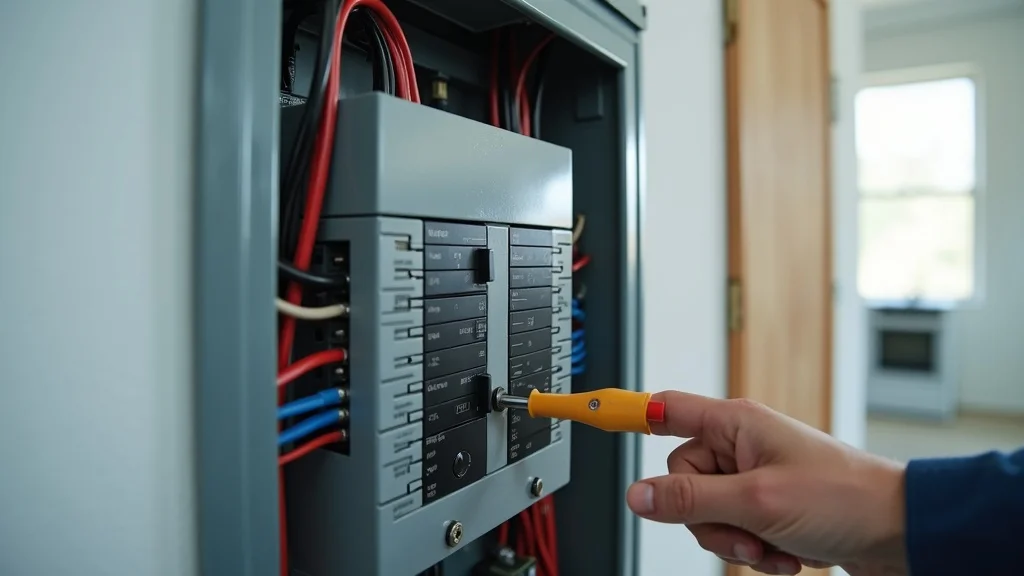
Begin your guided electrical inspection by locating the main panel and verifying its age and condition. Proper panel labeling is vital—each breaker should be identified with the room or appliance it serves. Homeowners in Mississauga with older homes may find two-prong outlets or aluminum wiring, both of which often fail modern building code benchmarks. Any signs of short-circuiting, such as tripped breakers, abnormal heat, or unusual smells, should not be ignored.
Next, examine all major outlets and switches, including outside receptacles and lighting. Check for cracks, scorch marks, or evidence of DIY repairs—these can quickly turn into safety hazards if left untreated. Don’t forget areas that often go unnoticed, such as garages, unfinished basements, and attics. Frequent failure or flickering in lighting circuits is another indication that professional attention is required. Where possible, use a non-contact voltage tester before making physical contact with any exposed wiring or panel.
-
Identifying outdated or faulty outlets, switches, and lighting
Visual Clues of a Safety Hazard
-
Warning signs: Burn marks, buzzing sounds, flickering lights, overheating devices
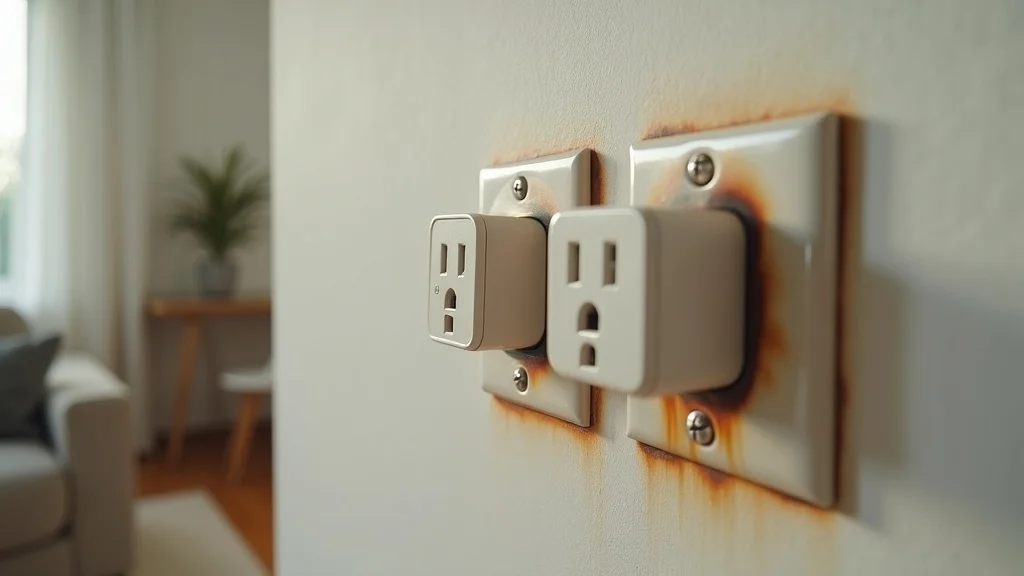
Not all safety risks are hidden. Some, like discoloration around outlets, buzzing from fixtures, or appliances that are hot to the touch, are clear warnings that should never be ignored. These symptoms may suggest overloaded circuits, loose connections, or improper wiring. Flickering lights or repeatedly tripped breakers point to deeper faults in the home’s electrical wiring or fixtures, and can quickly progress to a fire hazard if not addressed promptly.
-
Checklist: Top 5 visible safety hazards that require immediate attention
-
Burn marks or discoloration on outlets and switches
-
Buzzing sounds from panels or outlets
-
Flickering or dimming lights
-
Warm or scorched power cords and devices
-
Extension cords used as permanent wiring solutions
If you spot any of these visual clues, do not attempt DIY fixes, especially in areas involving main panels or aluminum wiring. Call a licensed electrical contractor who can provide a detailed report and make necessary repairs according to safety code standards.
Understanding Building Code Standards in Mississauga
-
Key sections of the Ontario building code for electrical safety
-
When to contact a licensed electrical contractor for code compliance audits
The Ontario building code and safety code provide robust guidelines for all electrical work—including necessary approvals for renovations, major repairs, or new installations in both newer and older homes. Homeowners should keep a record of upgrades and ensure a licensed electrical contractor has completed any significant changes to their electrical system. Certain code violations—like using non-approved wire types, improper breaker ratings, or mixing circuit types—are only detectable by experienced professionals.
If there’s ever uncertainty regarding building code compliance, an electrical inspection by a certified contractor can confirm whether prior work meets the latest standards for electrical safety and insurance. Remember: even a minor code deviation can void home warranties, create a fire hazard, or cause legal and real estate complications during a standard home inspection.
|
Electrical System Components and Common Safety Hazards |
|
|
Component |
Common Safety Hazards |
|---|---|
|
Main Electrical Panel |
Age, overfusing, improper labeling |
|
Outlets and Switches |
Cracks, discoloration, improper wiring, two-prong outlets |
|
Visible Wiring |
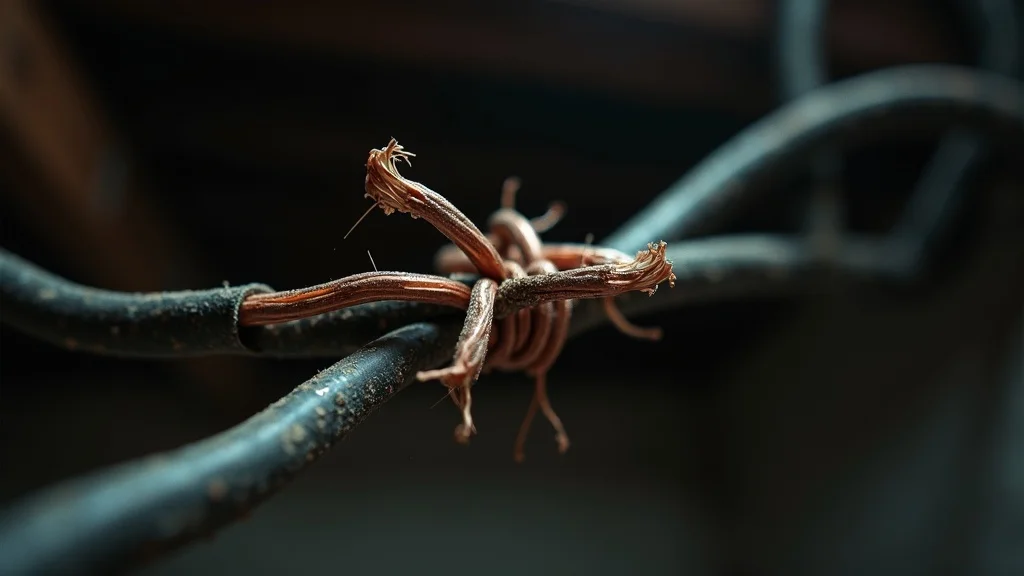
Frayed insulation, exposed wires, amateur DIY fixes |
|
Lighting Fixtures |
Overheated fixtures, incorrect bulbs, loose fittings |
Best Practices for Preventing Electrical Fires with the Mississauga Homeowner Safety & Inspection Checklist
Why Use A Licensed Electrical Contractor?
-
Safety and liability reasons to hire a licensed electrical for home inspections
-
What to expect from a professional electrical inspection

Engaging a licensed electrical contractor is one of the safest choices you can make as a homeowner. These professionals are trained to identify safety hazards, perform code-compliant repairs, and issue detailed reports suitable for insurance, legal, and real estate needs. Working with an insured, certified contractor protects you from liability—should damage or injury occur after work is completed, you won’t be held responsible if the job was done by a licensed expert.
During a professional home inspection for electrical safety, your contractor will check all major system components (main and sub-panels, wiring, outlets, switches, lighting, and safety devices), test for accurate grounding, and review for historic or DIY electrical work. Expect clear communication, properly documented findings, and recommendations for urgent and long-term maintenance.
When to Schedule Regular Electrical Inspections
-
Recommended inspection intervals for different property ages
-
Life events that should trigger electrical system checks (renovations, buying/selling, major appliances)
As a rule of thumb, homes less than 10 years old should have their electrical system inspected every five years. Older homes—particularly those with original panels or evidence of aging outlets—should consider inspections every two to three years. Any major renovation, purchase or sale (as required in a standard home inspection), installation of a new water heater or appliance, or after electrical work is performed, should also trigger an immediate check to ensure code and safety compliance.
Keeping a routine schedule ensures that you are following the most current Ontario electrical safety standards and safeguarding against new risks introduced by recent work or lifestyle changes. Don’t wait for problems; prevention reduces the likelihood of emergencies and expensive after-the-fact repairs.
Working with Your Home Inspector
-
Collaborating between electrical contractor and your regular home inspections
-
Documenting your inspection checklist for insurance and legal compliance
Successful home safety goes beyond a one-time check: a partnership between your home inspector and licensed electrical contractor is best. Schedule joint visits when possible during major real estate transactions or after electrical work, and make sure all findings are recorded in a detailed report. Most insurance companies, as well as legal experts, recommend keeping a physical and digital record of all code-compliant upgrades, repairs, and periodic electrical inspections.
Ask both your inspector and contractor to review their checklists with you, pointing out ongoing risks or emerging hazards. This two-pronged, transparent approach provides clear documentation, easier resale, lower liability risk, and most importantly, ongoing peace of mind for your family.
Common Safety Hazards Uncovered in Electrical Inspections
-
List: The eight most frequent electrical safety hazards found during a home inspection
-
Tips for immediate remediation and when to escalate to a licensed professional
“Neglecting minor issues today can result in major safety hazards tomorrow.” – Master Electrician

-
Top 8 common hazards identified in Mississauga home electrical inspections:
-
Ungrounded or double-tapped breakers in the electrical panel
-
Burn marks or melting around outlets and switches
-
Exposed or frayed wires in basements, attics, or utility rooms
-
Improperly installed GFCIs or missing AFCI protection
-
Aluminum wiring without approved connectors in older homes
-
DIY electrical work or use of extension cords as permanent wiring
-
Overfused circuits (breakers rated for higher amperage than wire supports)
-
Overheated or mismatched light fixtures and bulbs
If you identify a problem in your own checks, call a licensed electrical contractor for immediate remediation. Some hazards, such as double-tapped breakers or aluminum wiring, are not always apparent and require a professional inspect and repair. Never attempt to make repairs that involve complex wiring, live panels, or advanced code compliance—your safety and legal standing depend on certified expertise.
People Also Ask About the Mississauga Homeowner Safety & Inspection Checklist
What is the biggest red flag in a home inspection?
-
The most significant red flag is evidence of outdated or improperly maintained electrical systems, which can be a critical safety hazard.
What do they look for in a home inspection in Ontario?
-
Home inspections in Ontario focus on electrical safety, structural integrity, building code compliance, plumbing, and general home condition to identify existing or potential hazards.
What should be included in an inspection checklist?
-
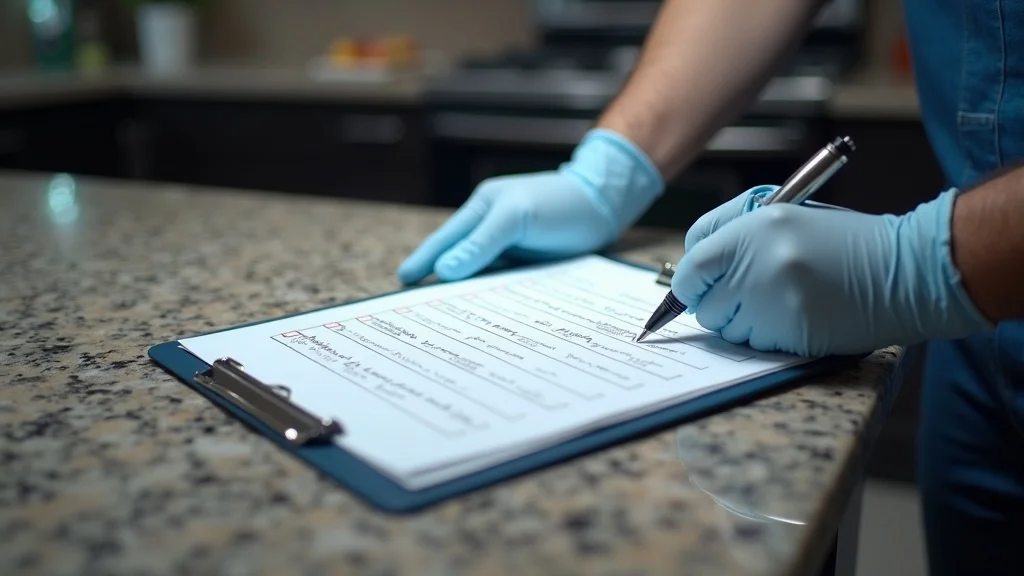
An inspection checklist should include all electrical work, visual and functional checks of outlets, wiring, main panels, lighting, safety devices, and the need for a licensed electrical contractor review where applicable.
What are the 4 types of inspection?
-
The four primary types: initial inspection, periodic inspection, special-purpose inspection, and re-inspection for compliance—all relevant in the Mississauga homeowner safety & inspection checklist.
Mississauga Homeowner Safety & Inspection Checklist FAQ
-
Why should homeowners in Mississauga prioritize regular electrical inspections?
Regular inspections catch hidden electrical safety hazards before they escalate, reduce fire risks, and ensure compliance with local building code and insurance requirements. -
How does a licensed electrical contractor contribute to home safety?
A licensed professional brings technical expertise, identifies code violations, corrects safety hazards, and ensures insurance and legal compliance with all electrical work performed. -
What is included in a professional Mississauga electrical inspection?
Inspections include panel, circuit, outlet, switch, wiring, and lighting evaluations, functional and code compliance tests, as well as a detailed report for repairs or upgrades. -
Do all electrical contractors follow the same checklist?
Most follow the Ontario electrical safety code and industry best practices, but the level of detail can vary based on licensing and company policy—always request a sample copy of their inspection checklist. -
Can I conduct basic electrical safety checks myself?
Homeowners can perform visual checks for burn marks, buzzing outlets, and loose fittings. However, anything beyond surface issues or involving panels, wiring, or aluminum wiring, should be left to a licensed electrical contractor.
Key Takeaways from the Mississauga Homeowner Safety & Inspection Checklist
-
Staying proactive through regular electrical inspection is key to peace of mind
-
Collaborate with licensed electrical contractors for safety and legal compliance
-
Monitor both visible and hidden electrical safety hazards
-
Use a detailed inspection checklist to safeguard your home and family
Ready to Protect Your Mississauga Home?
-
Call us at 905-847-2804 for an estimate. For more insights, visithttps://crownelectricltd.ca/electrician-mississauga-ontario/
Conclusion: Prioritizing the Mississauga homeowner safety & inspection checklist means gaining peace of mind, legal protection, and lasting safety for your loved ones—starting today.